Featured

Explore Sabah’s Deramakot: Best Spot for Wild Orangutans

FAQ: Where is the best place to see wild orangutans in Sabah?

Answer:
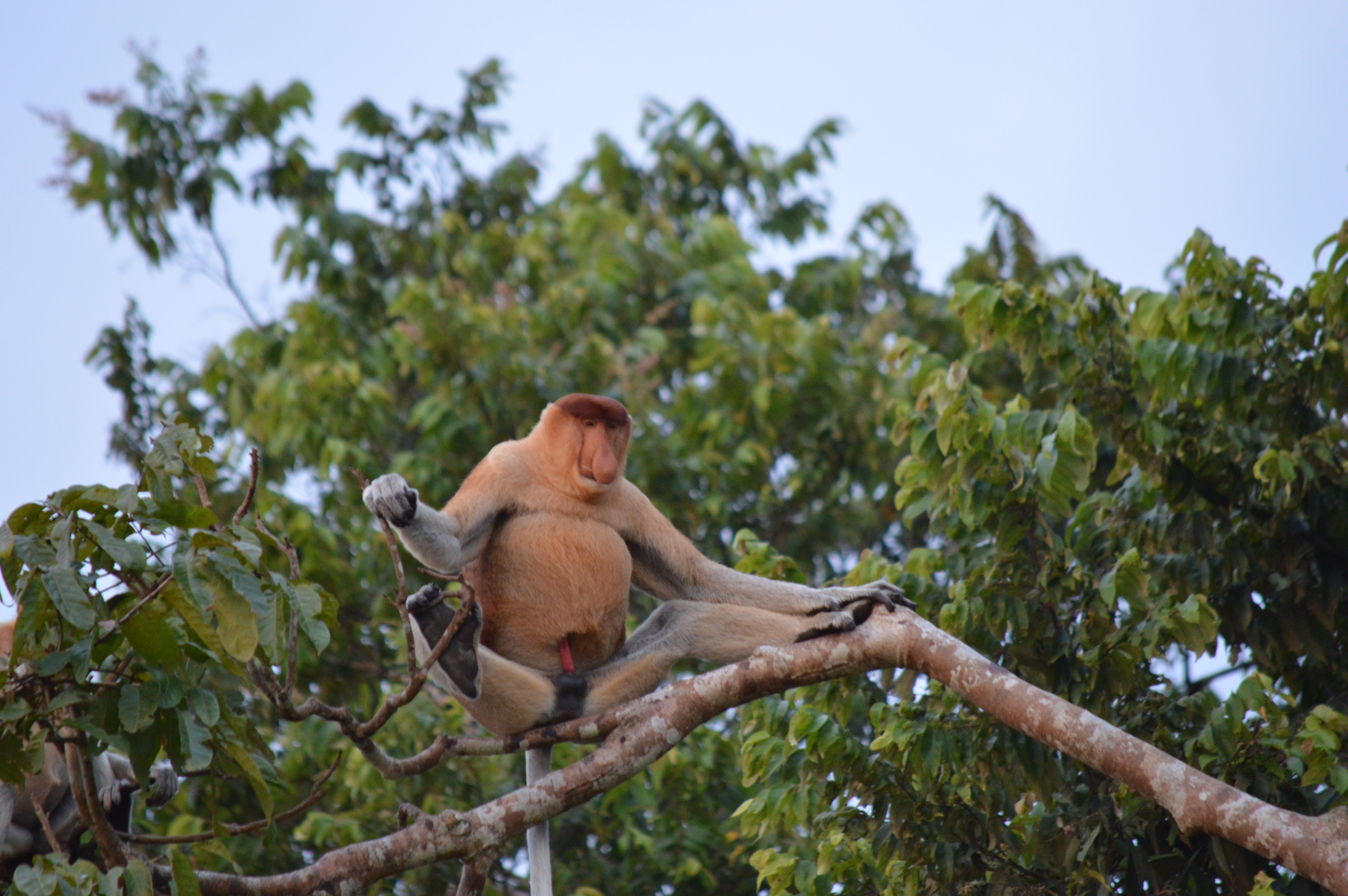
The best place to see wild orangutans in Sabah is Deramakot Forest Reserve.

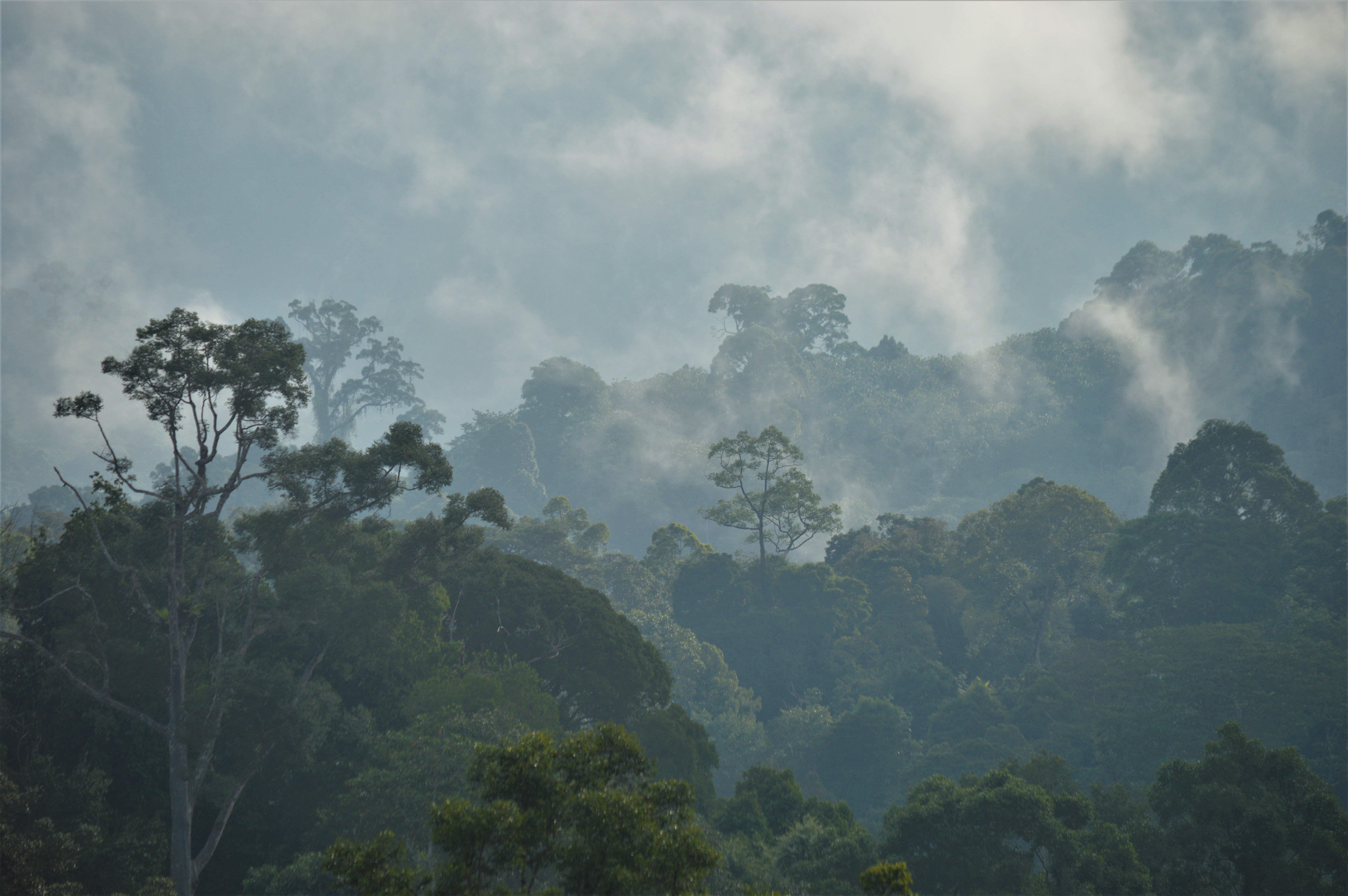
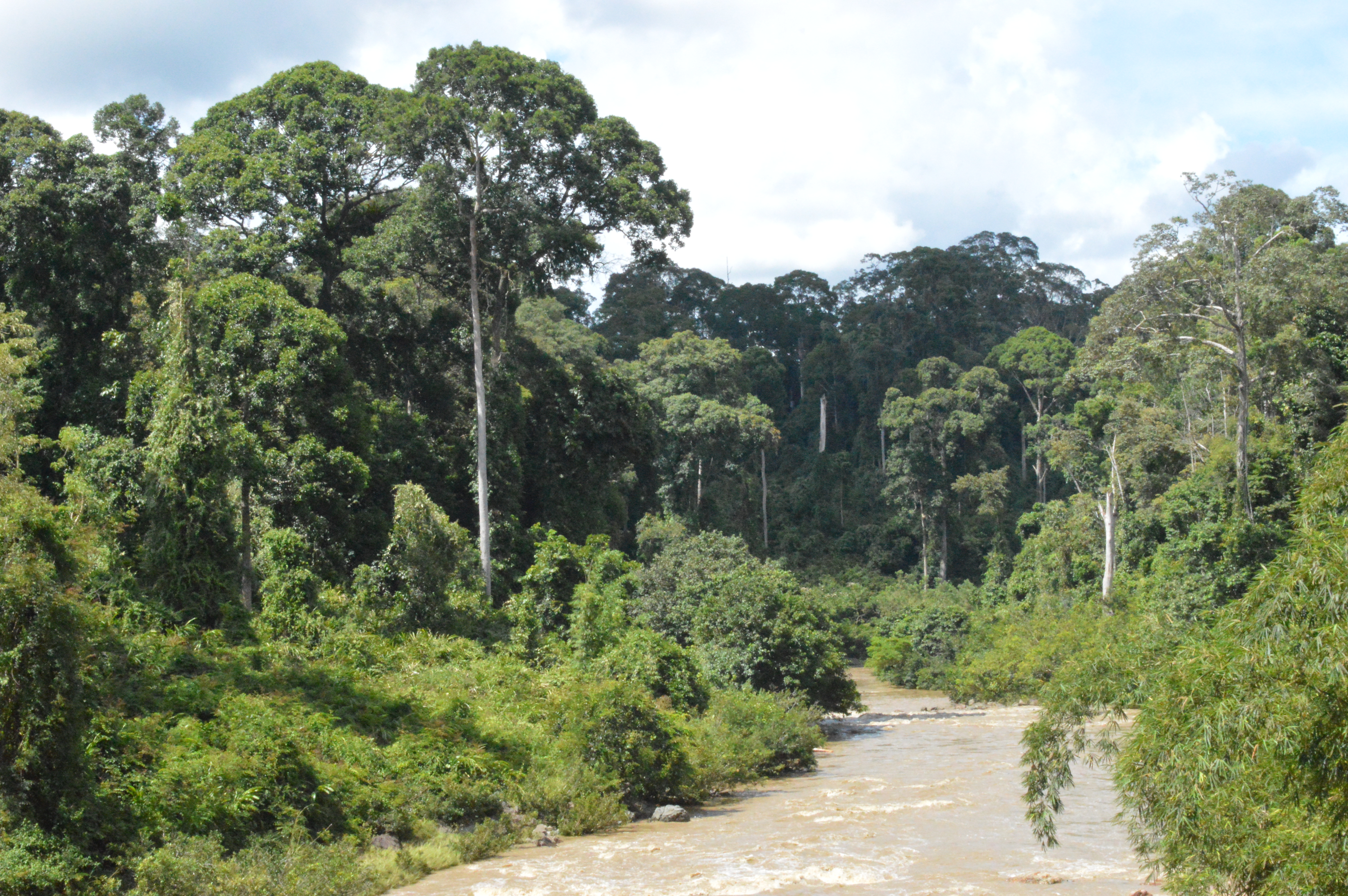
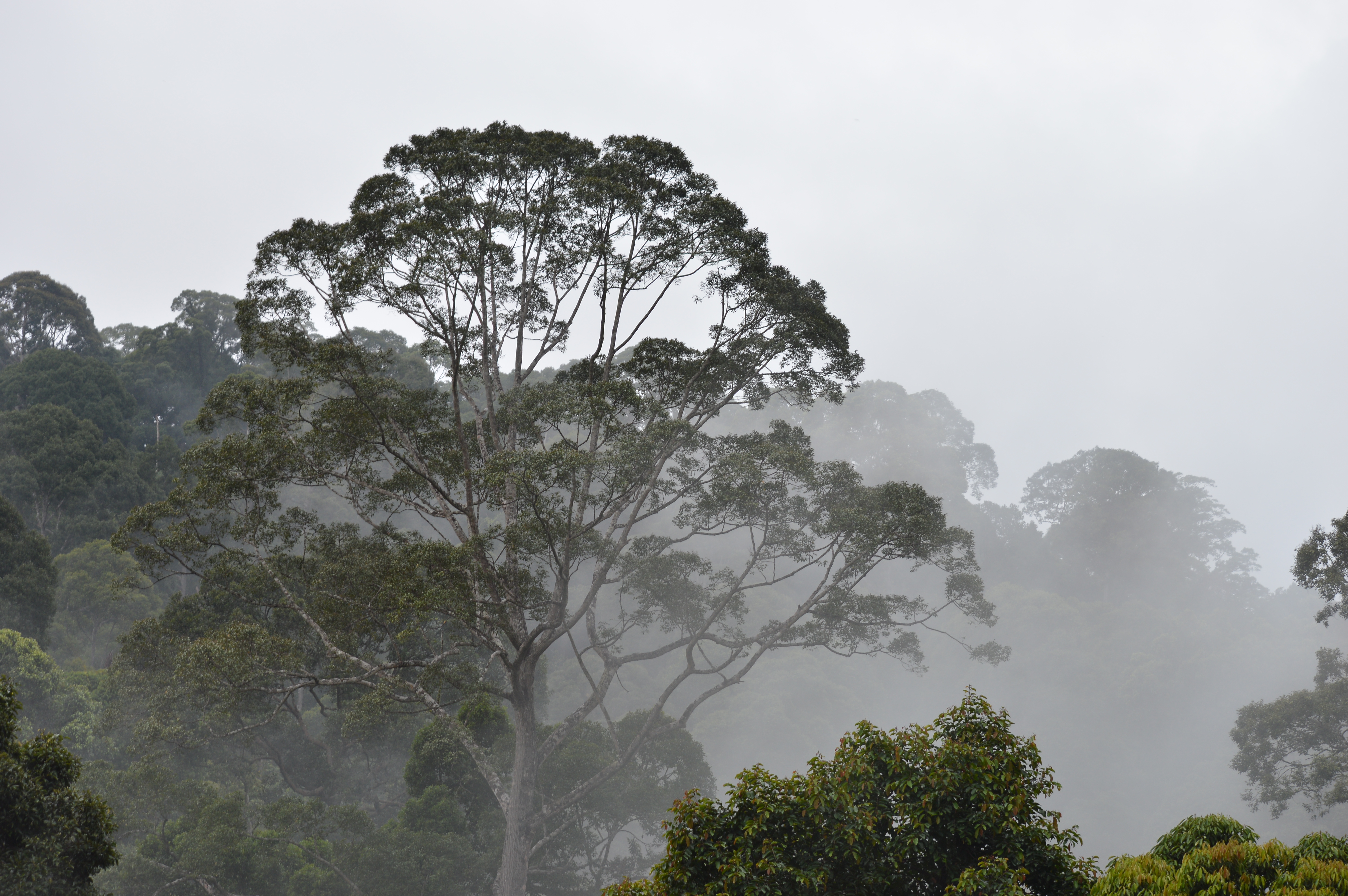
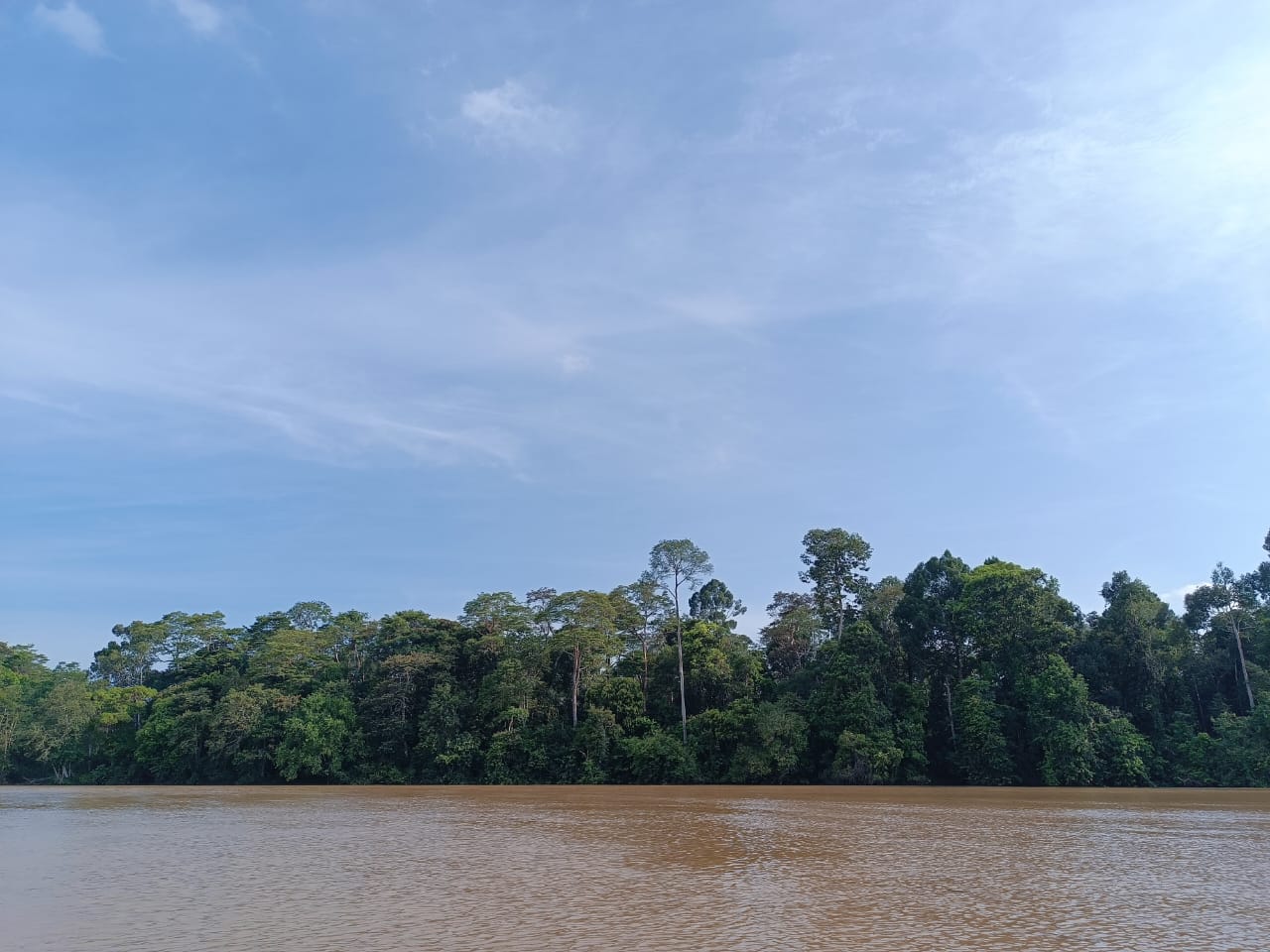
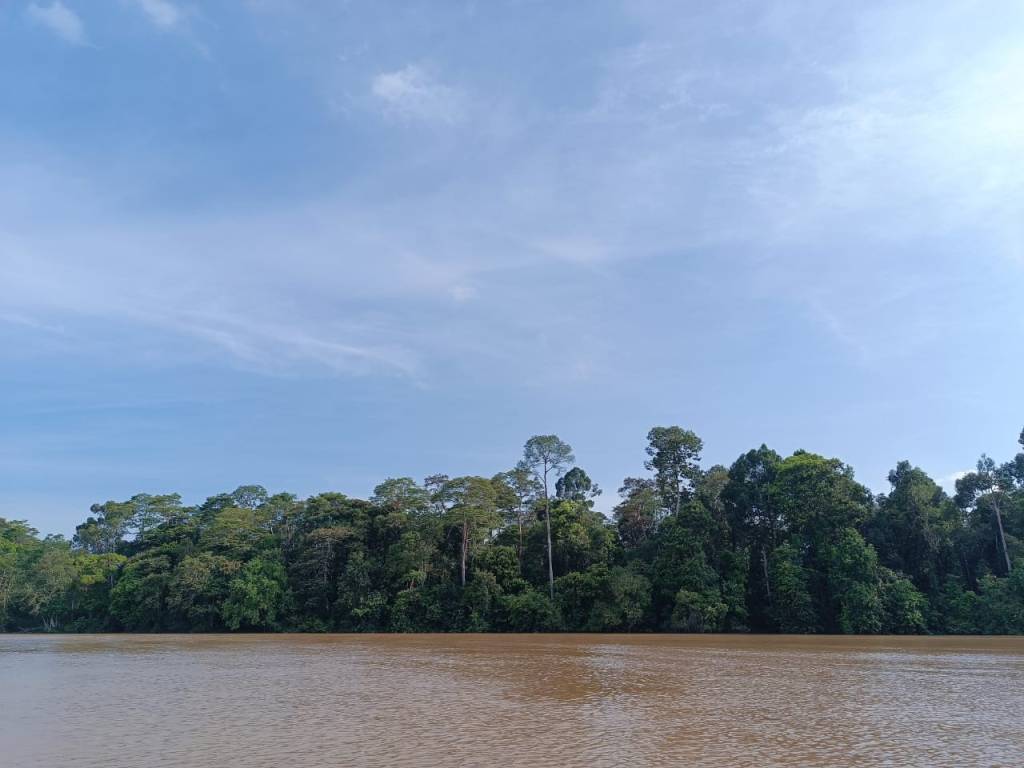
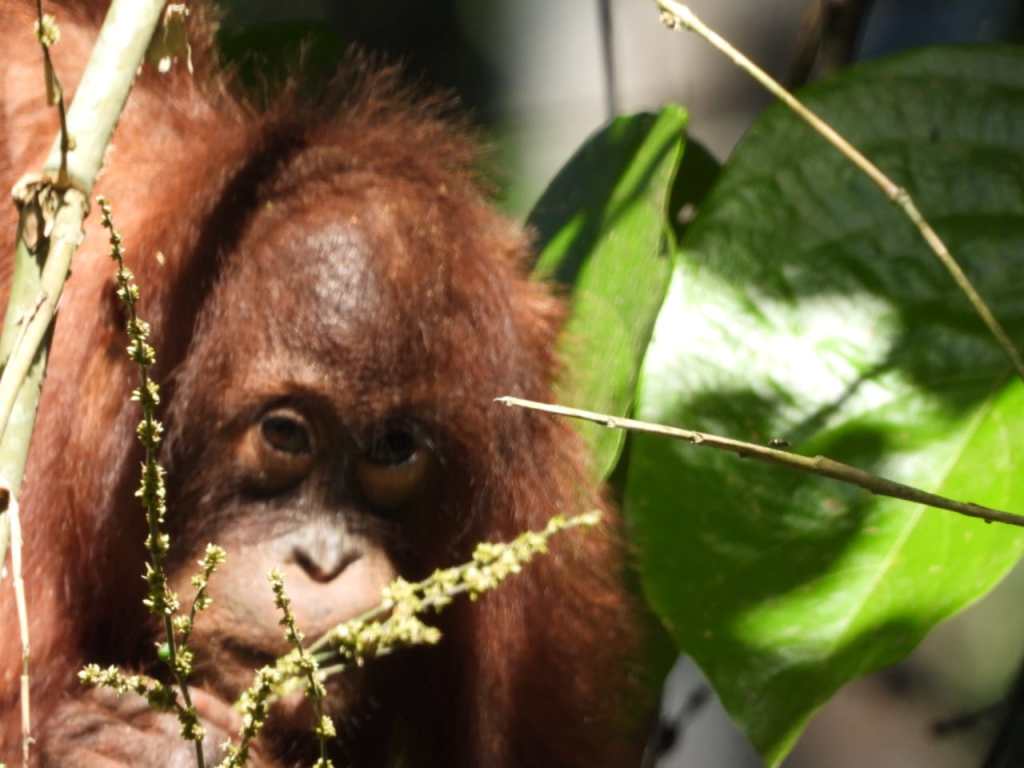
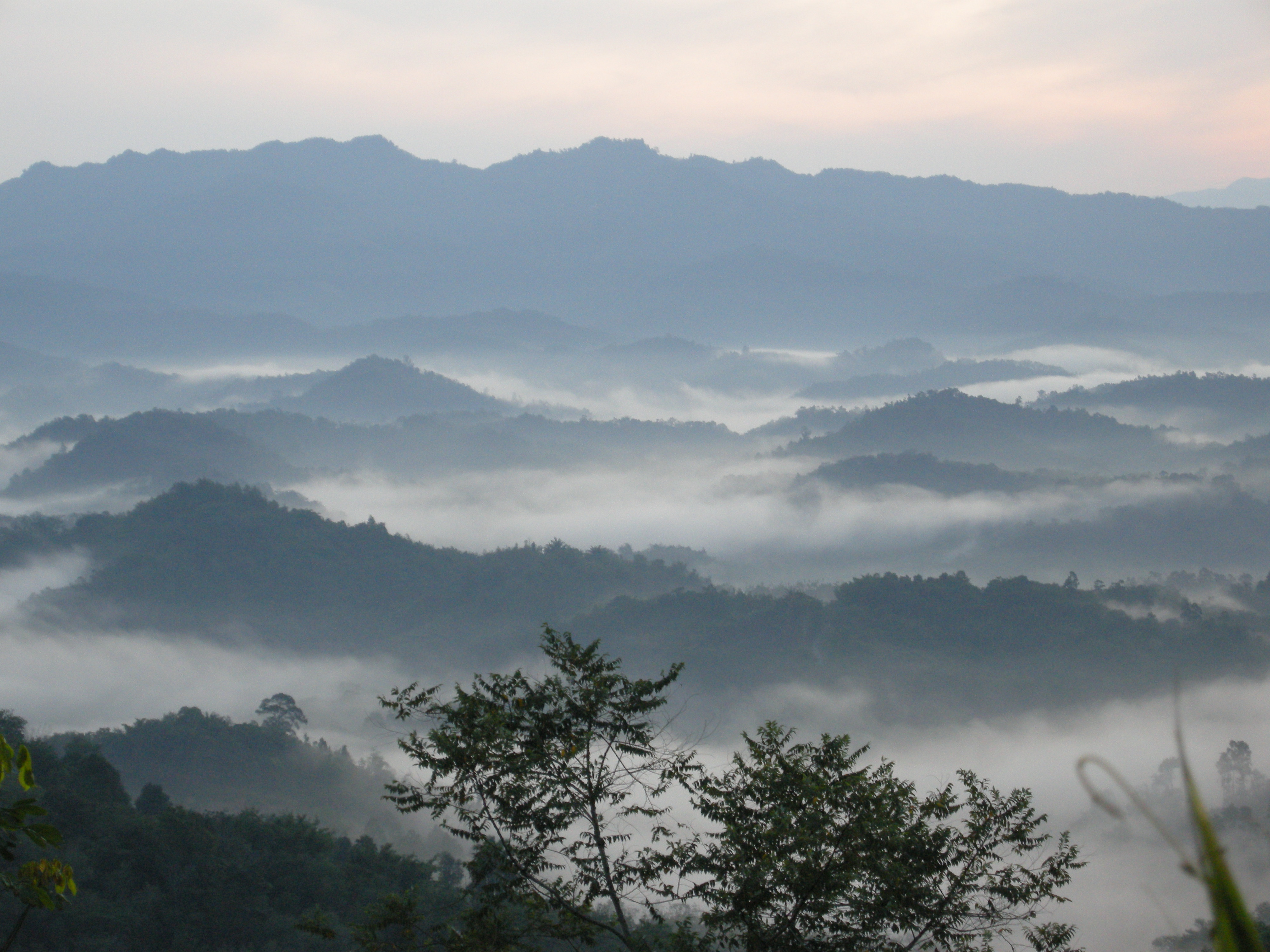
Located about 90 km from the quiet town of Telupid, Deramakot is one of Borneo’s hidden gems for wildlife enthusiasts. This 55,507-hectare lowland rainforest is home to a wide variety of rare and endangered species, including the elusive Bornean orang utan.

What makes Deramakot special is its long-standing commitment to sustainable forestry. Managed by the Sabah Forestry Department, it is the world’s first tropical forest to implement Reduced Impact Logging, certified by the Forest Stewardship Council (FSC) since 1997. This careful forest management has preserved Deramakot’s rich biodiversity, making it an ideal location for eco-tourism and wildlife observation.

Why visit Deramakot?

High chances of seeing wild orangutans in their natural habitat

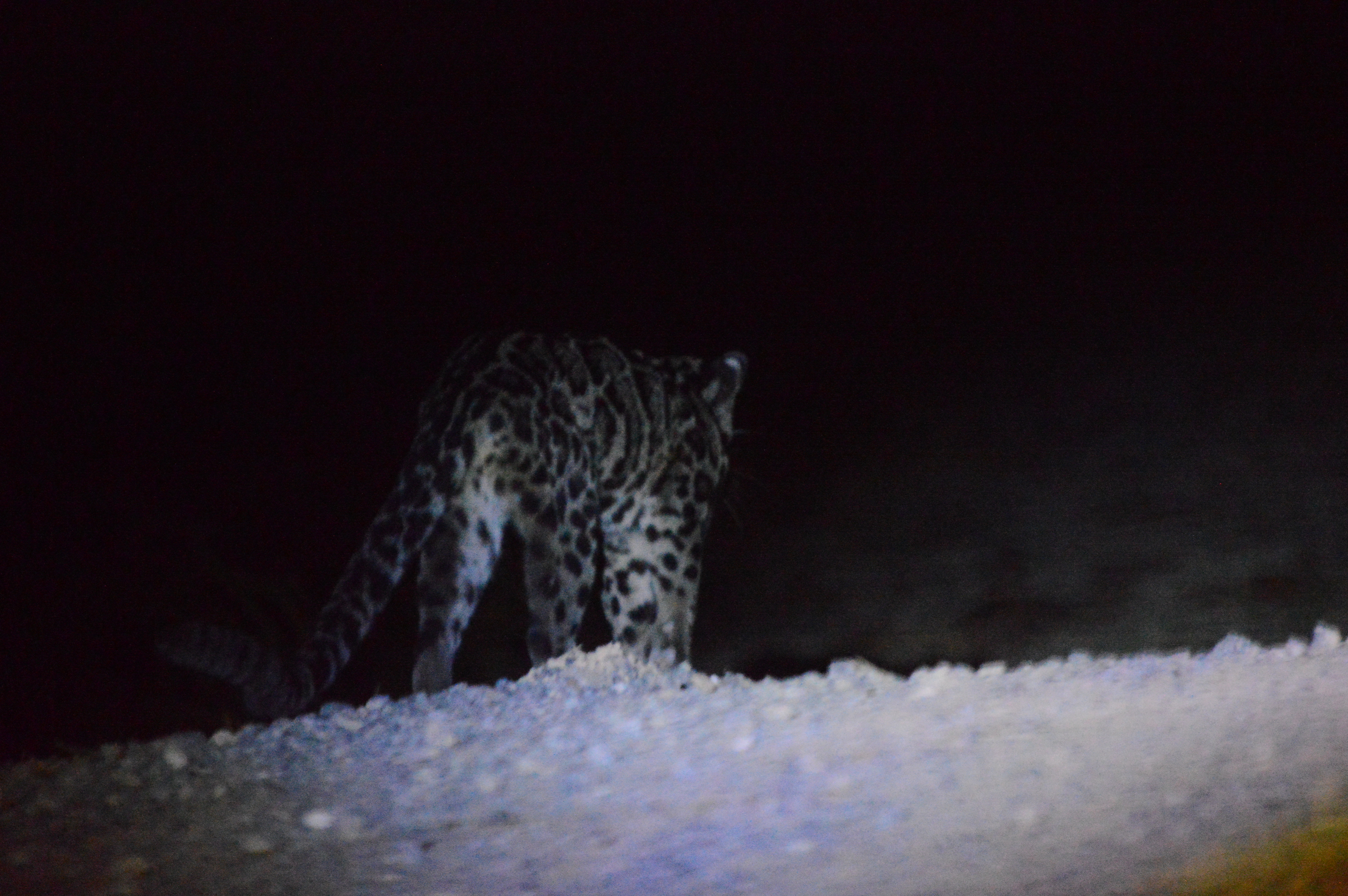
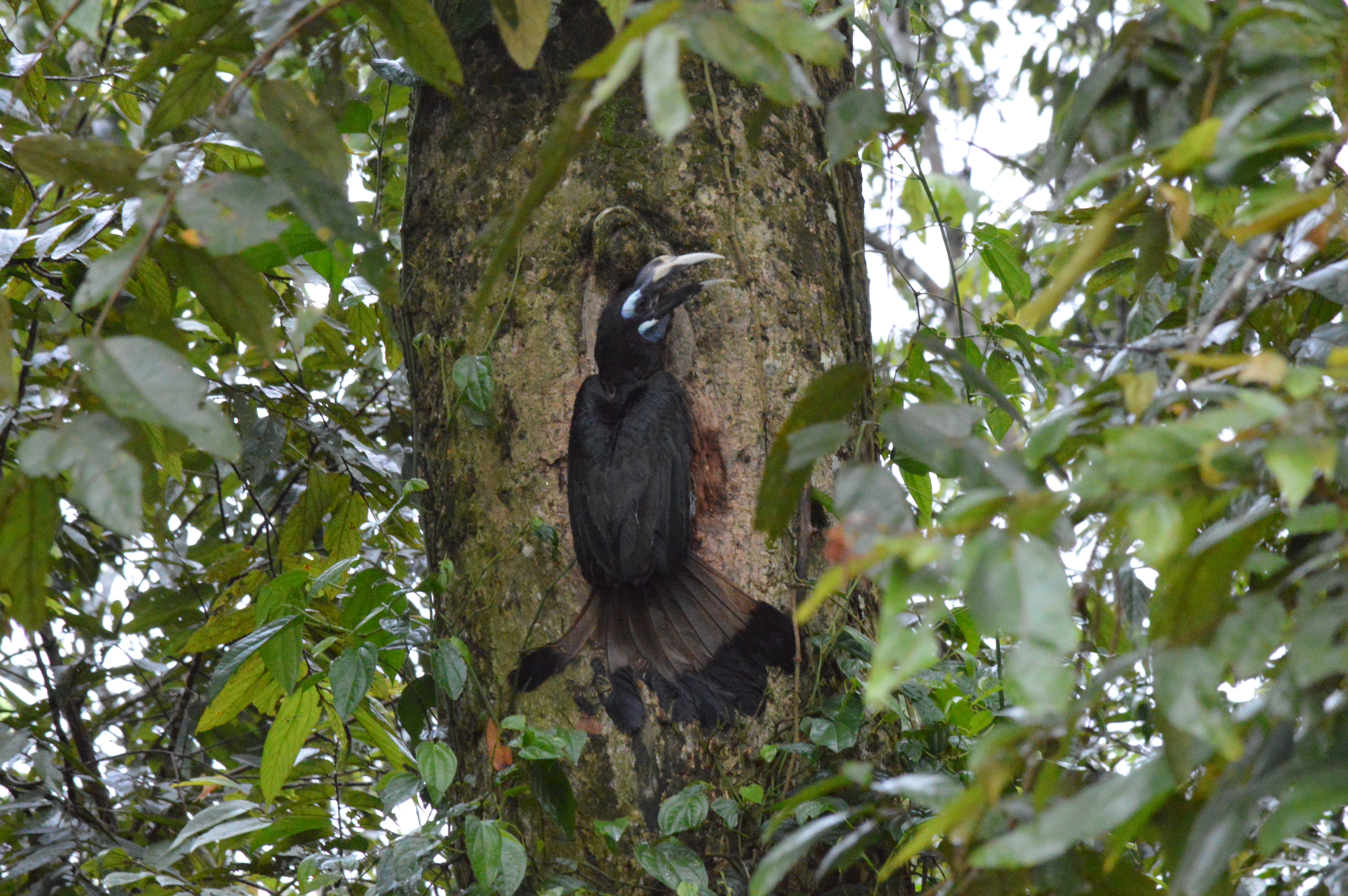
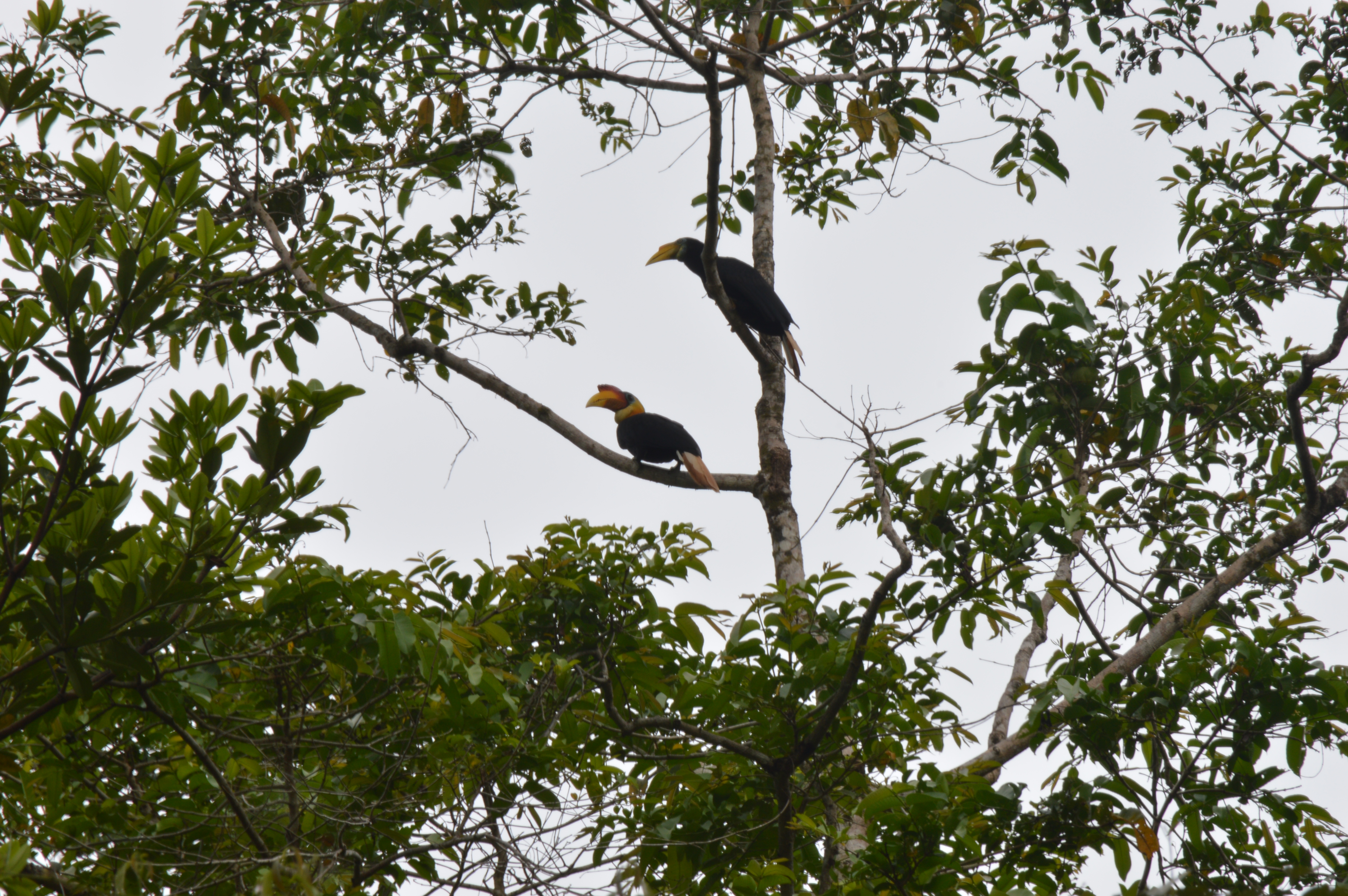
Excellent opportunities to spot other rare species such as clouded leopards, pygmy elephants, and hornbills

Peaceful, off-the-beaten-path location, perfect for nature lovers and photographers

Strong focus on sustainability and conservation

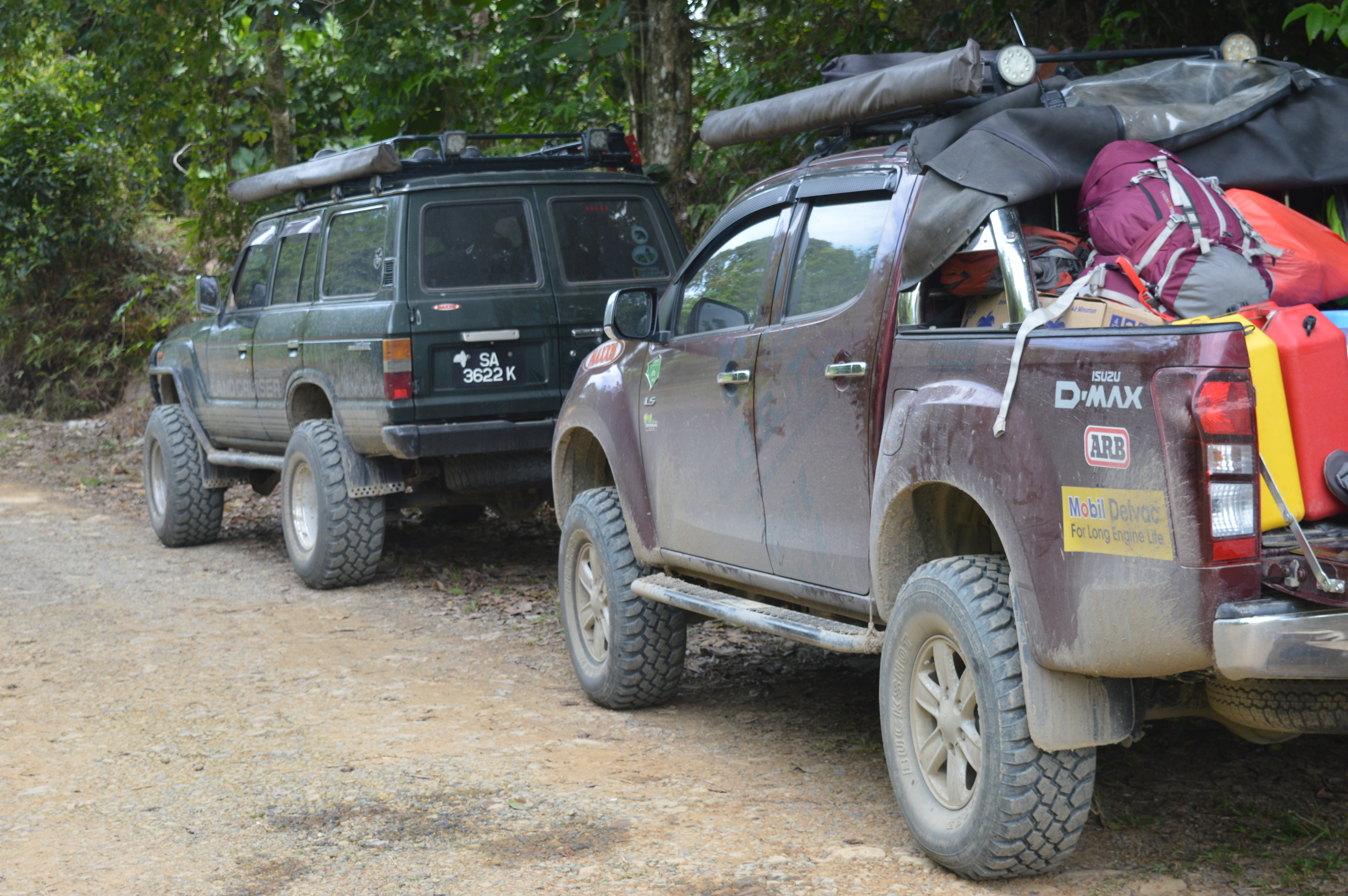
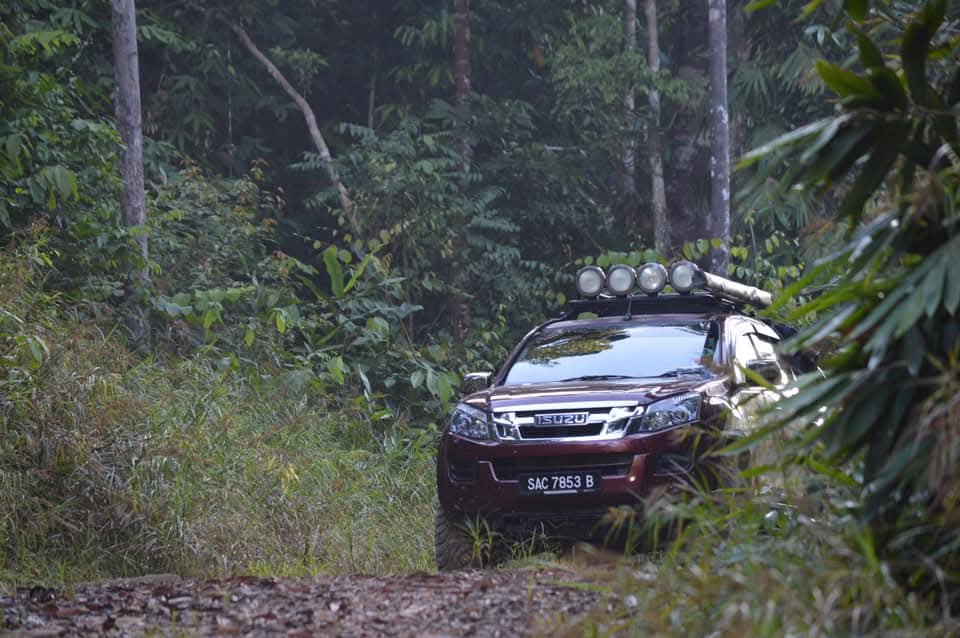
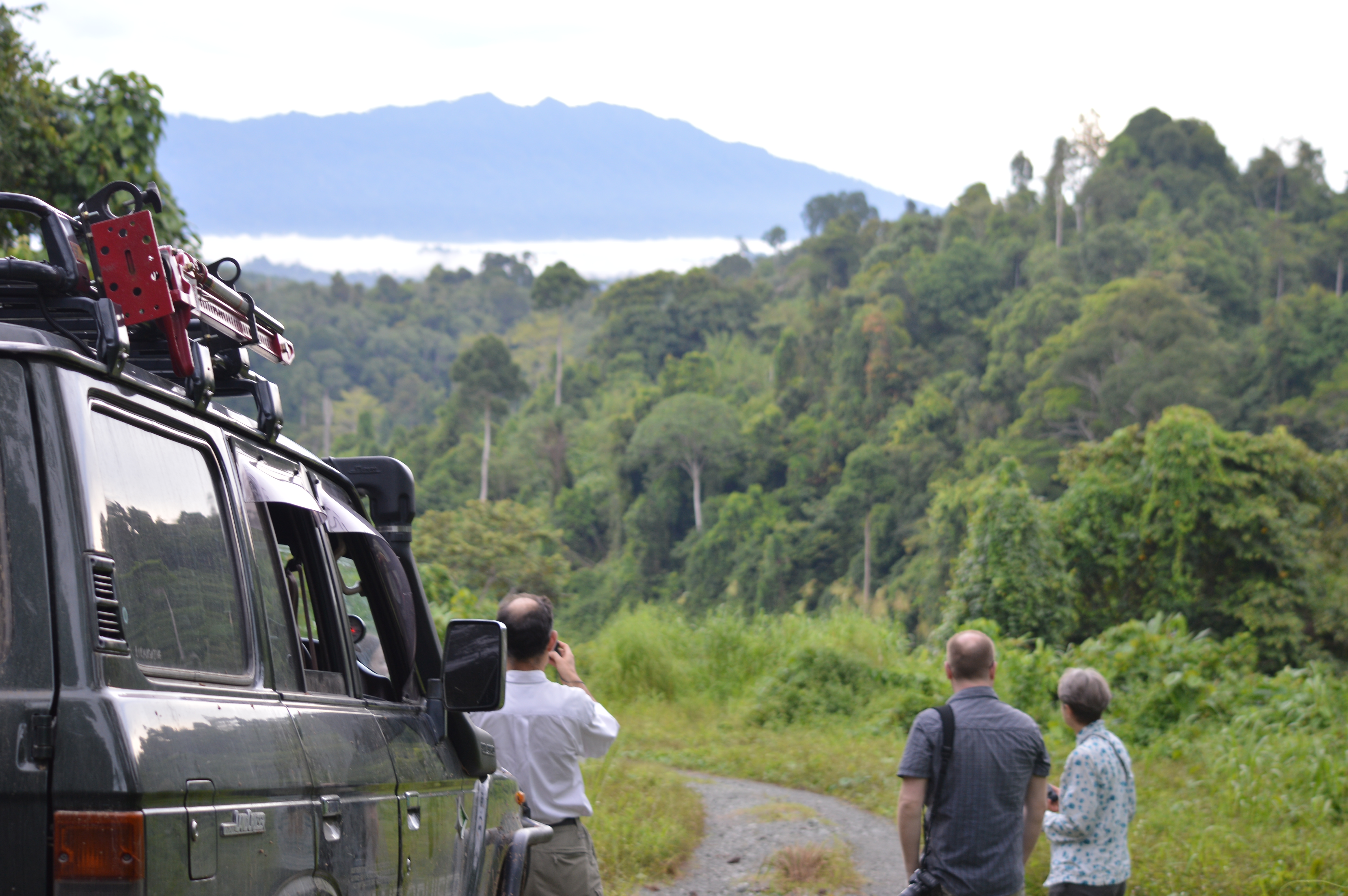
Tip: Access to Deramakot requires advance planning and a 4WD vehicle. Book through local licensed tour operators who arrange transportation, permits, and guides.
What makes Deramakot Forest Reserve unique?

Deramakot practices a concept called Reduced Impact Logging, where only carefully selected trees that cause minimal disturbance to the soil and surrounding forest are removed. This sustainable approach helps preserve the ecosystem while allowing for controlled timber harvesting.

To further support conservation efforts, eco-tourism is promoted as an alternative source of income, with a portion of tourism revenue contributing directly to the Ecological Conservation Fund.

Let’s skip the bla bla and get to the best part…

What wildlife can you see at Deramakot, besides orangutans?

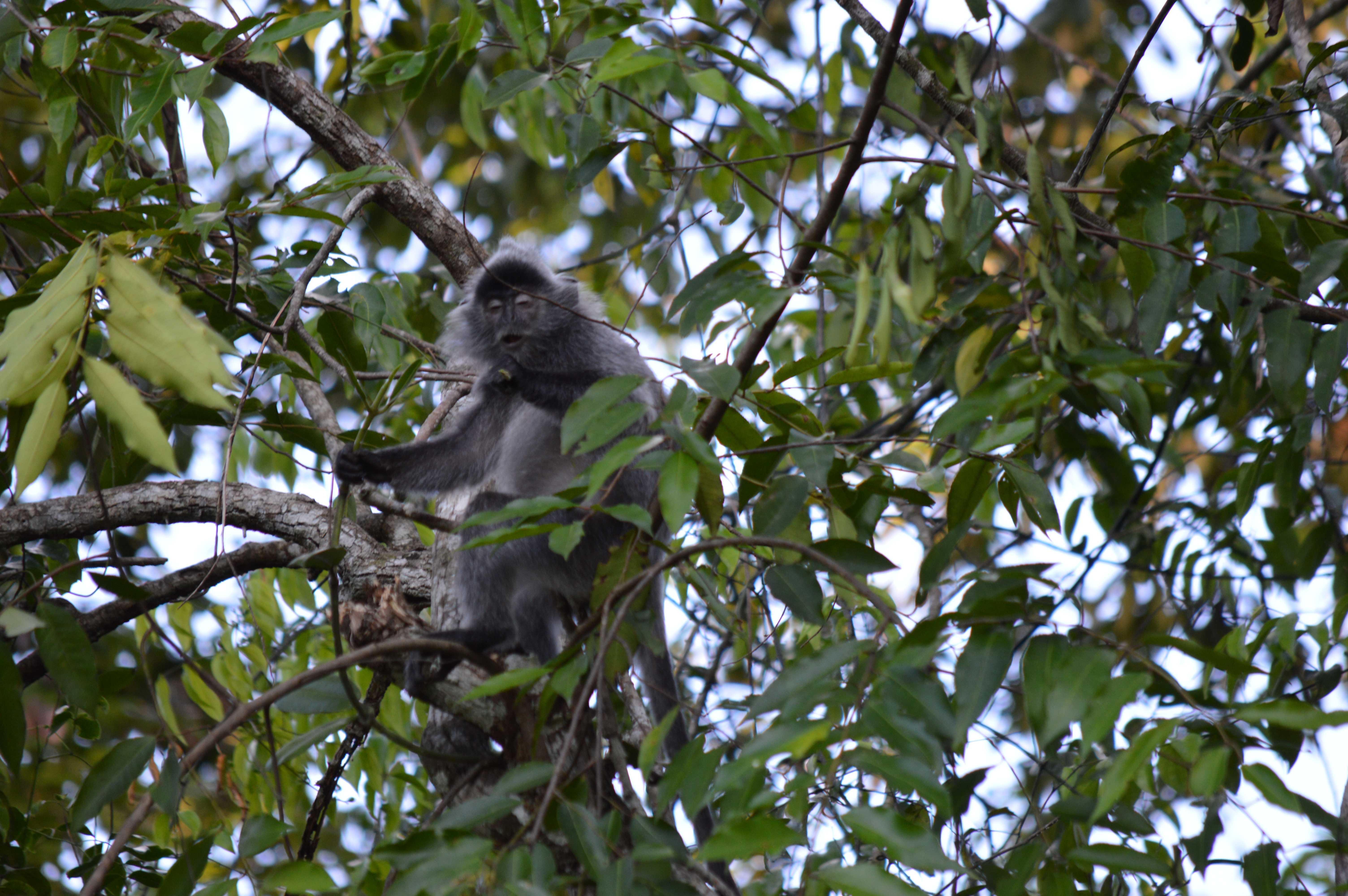
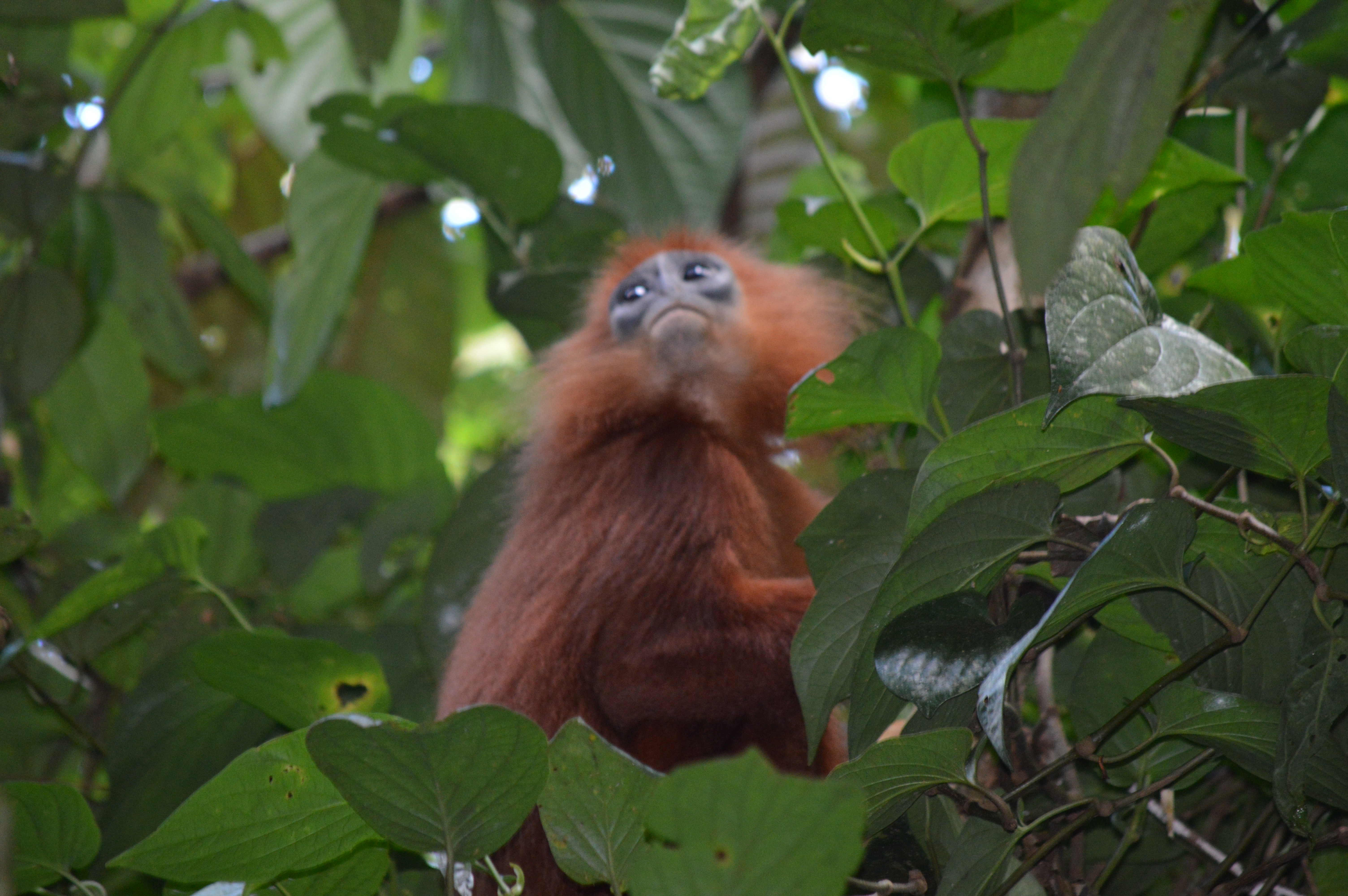
While wild orangutans are the star attraction, Deramakot is also home to an incredible range of primates and other wildlife:

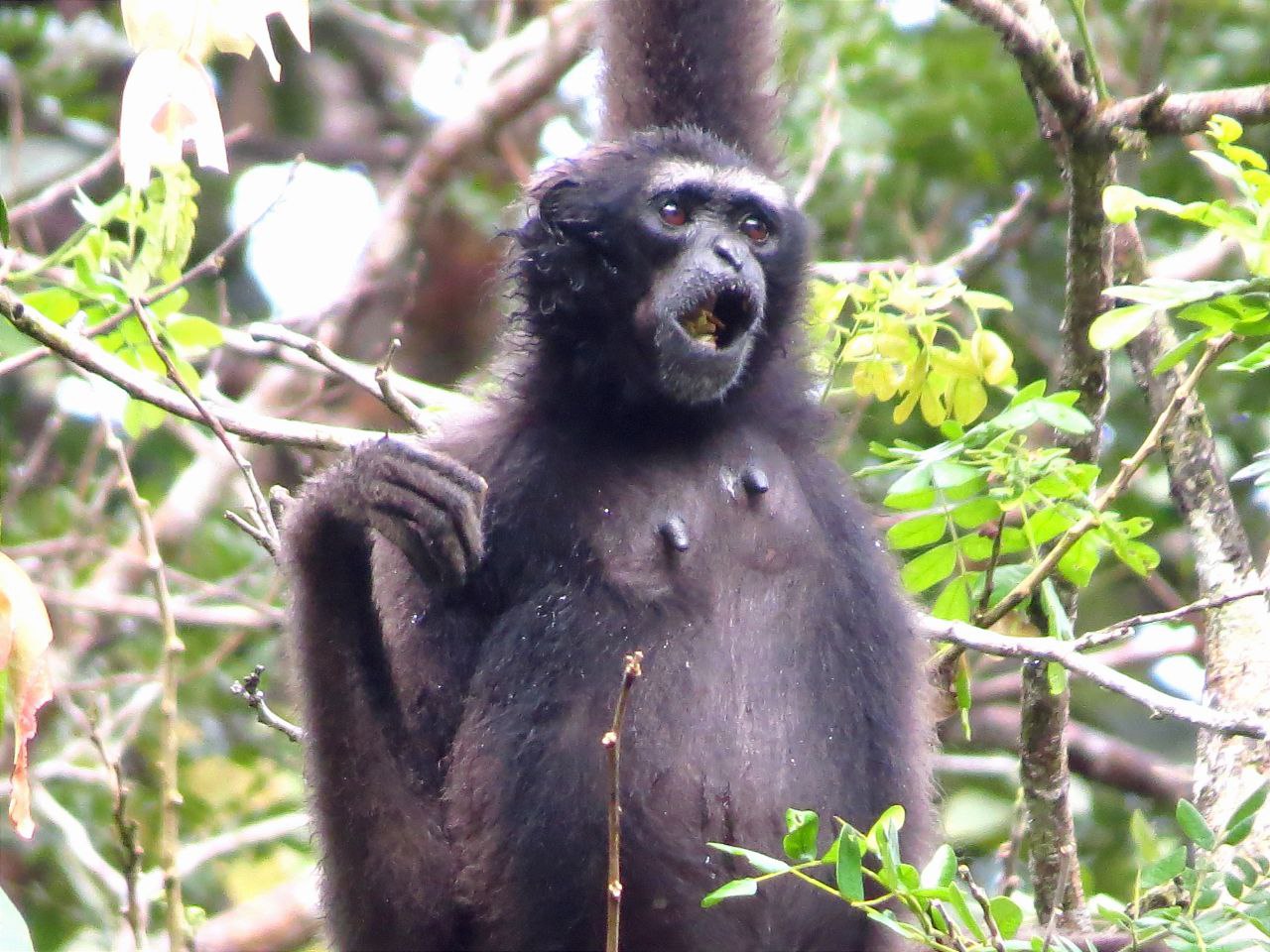
🐒 Bornean Gibbon
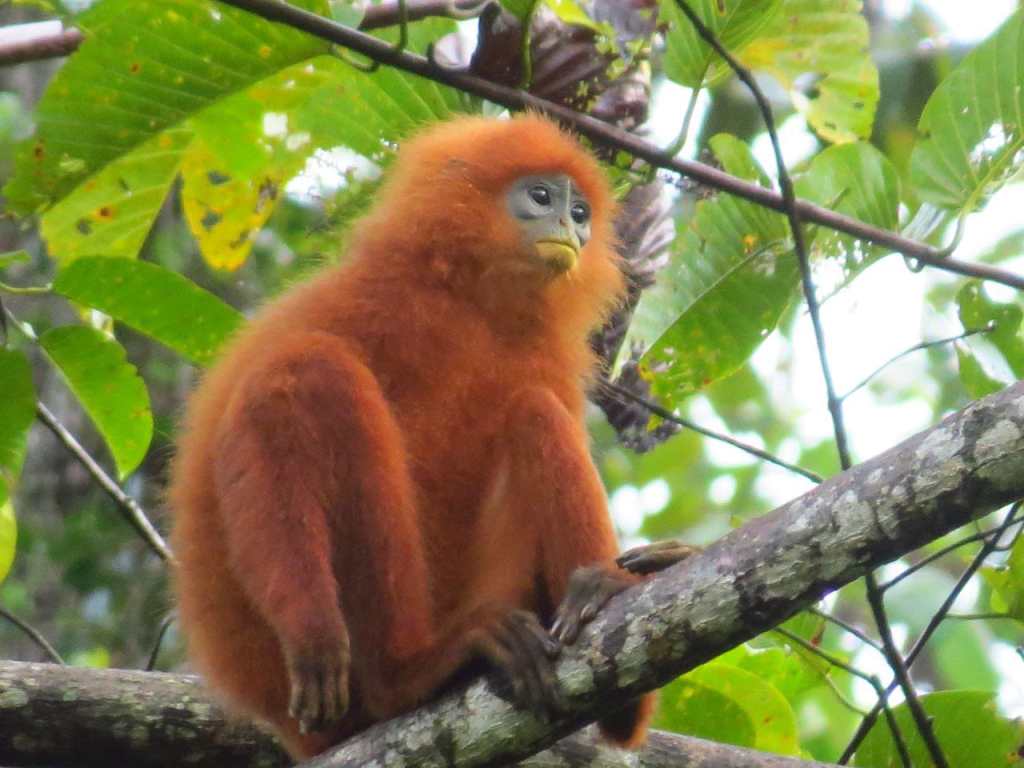
🐒 Red Langur
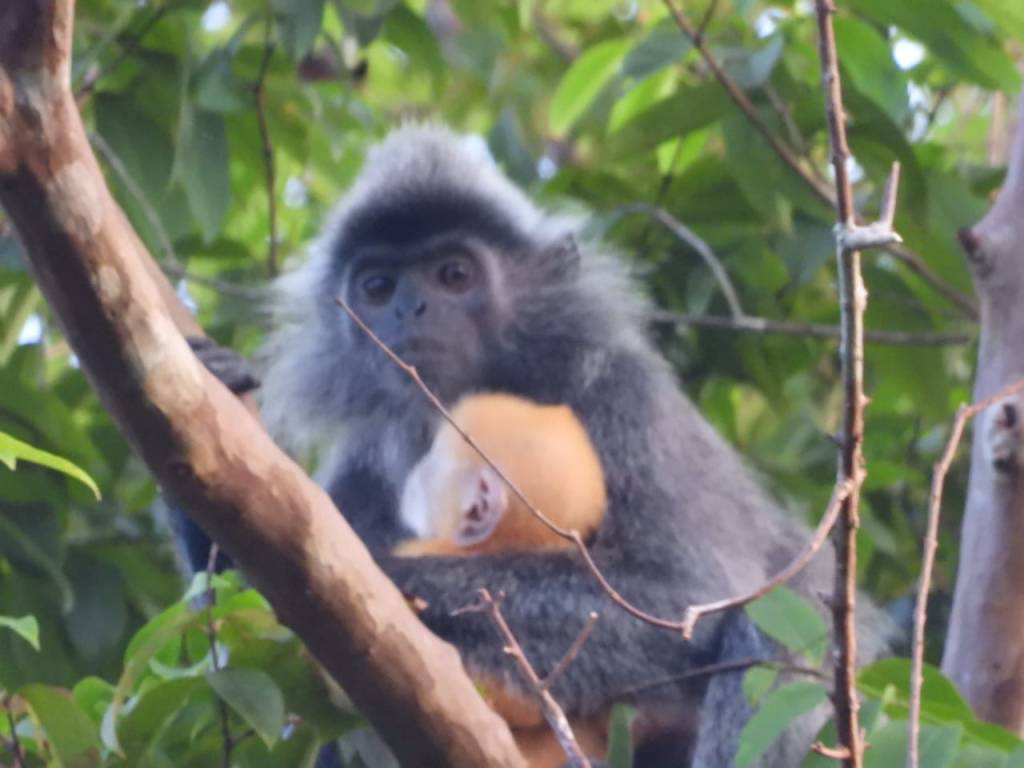
🐒 Hose’s Langur
🐒 Long-tailed and Pig-tailed Macaques

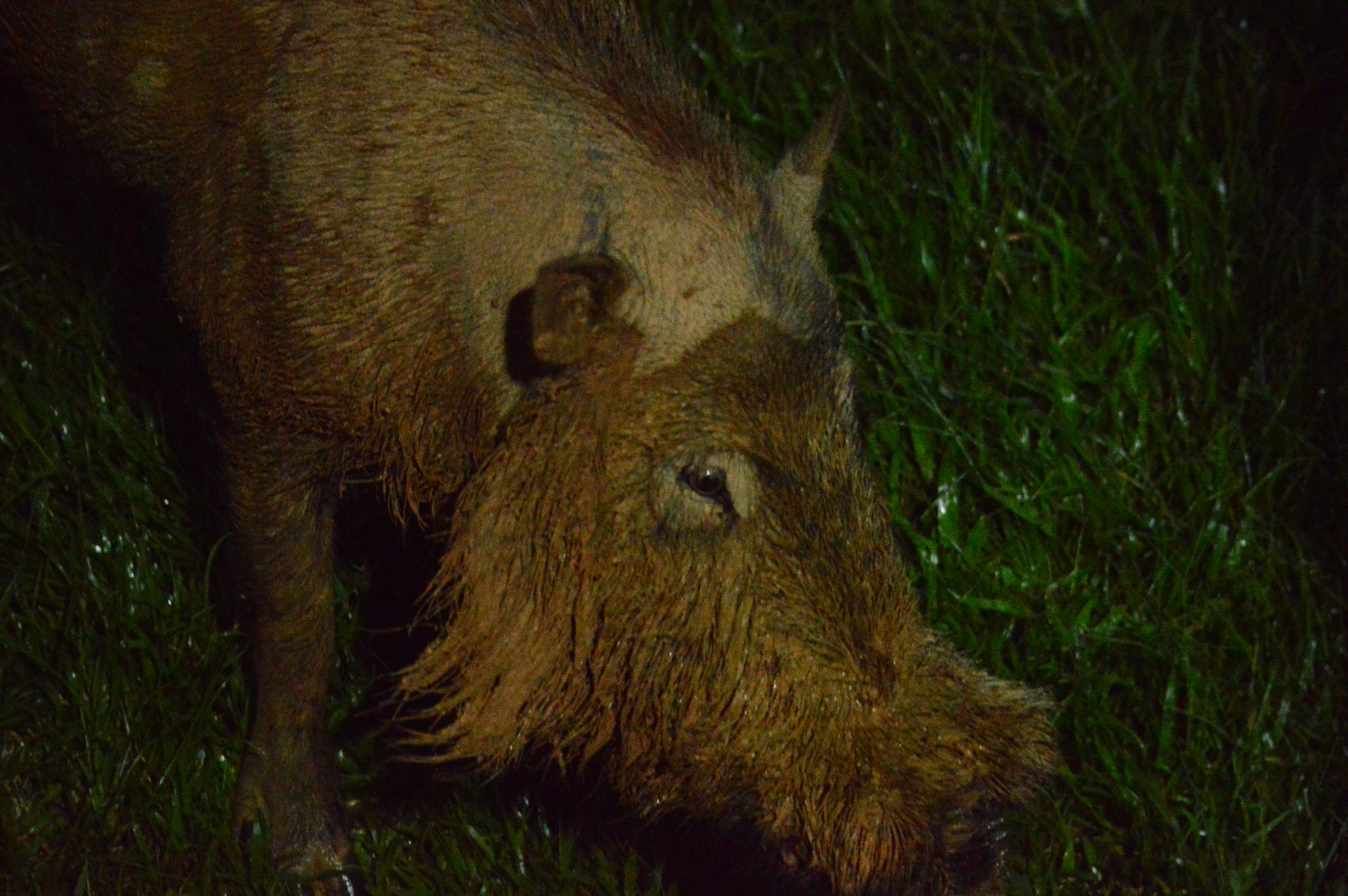
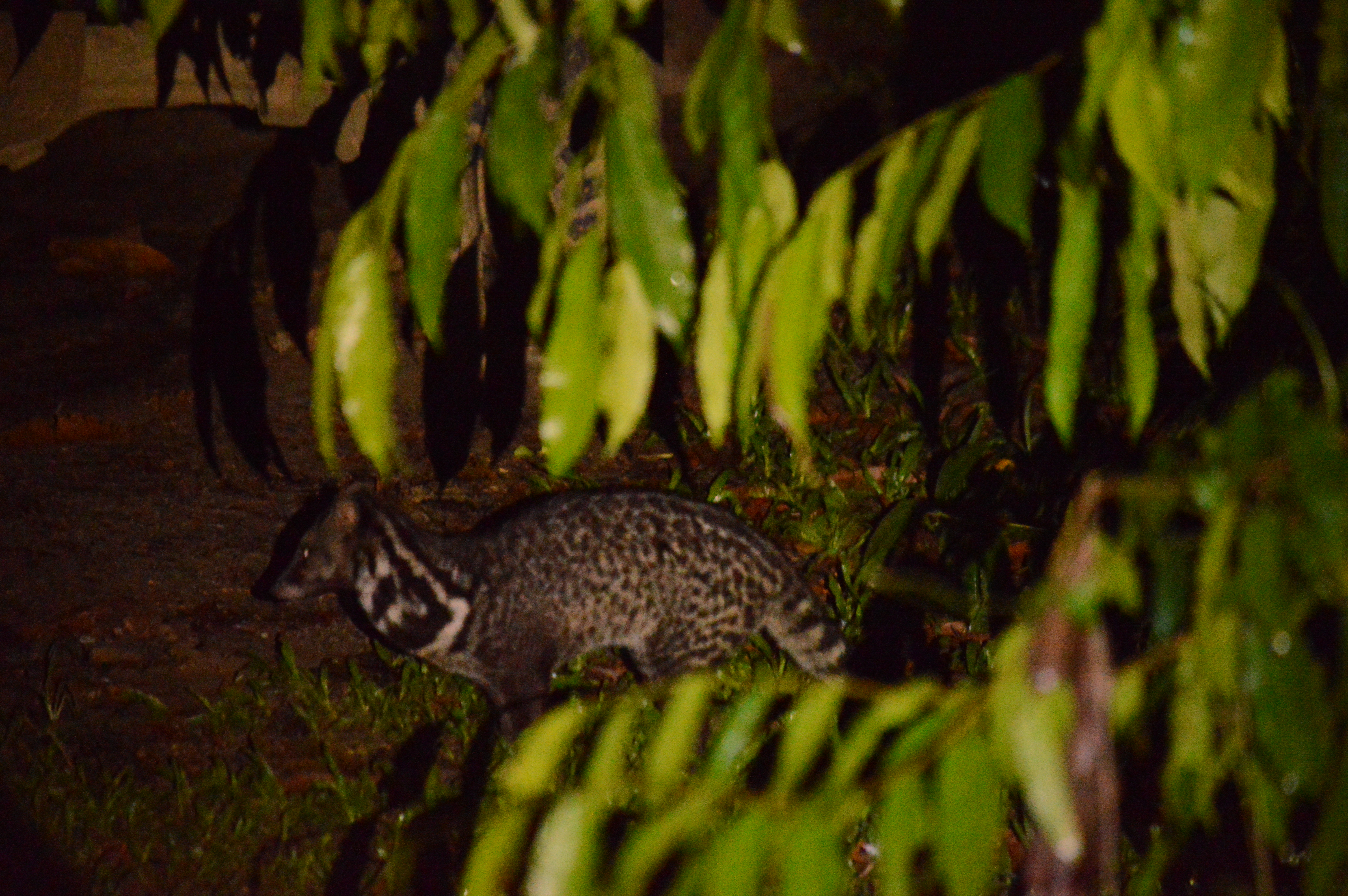
And that’s not all—you may also spot clouded leopards, Bornean pygmy elephants, sun bears, civets, and a stunning variety of birds and insects, making it a true paradise for wildlife lovers and photographers.

What other animals can you spot in Deramakot?

Beyond orangutans and primates, Deramakot Forest Reserve is a hotspot for rare and elusive large mammals and carnivores. Here’s what you might encounter:

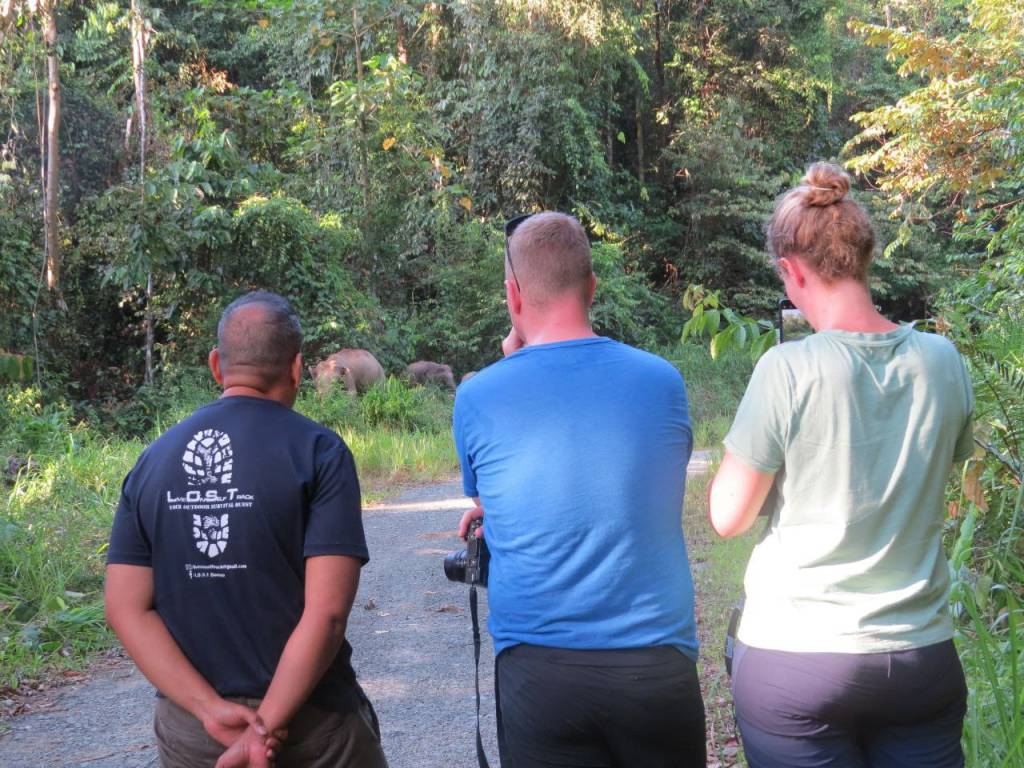
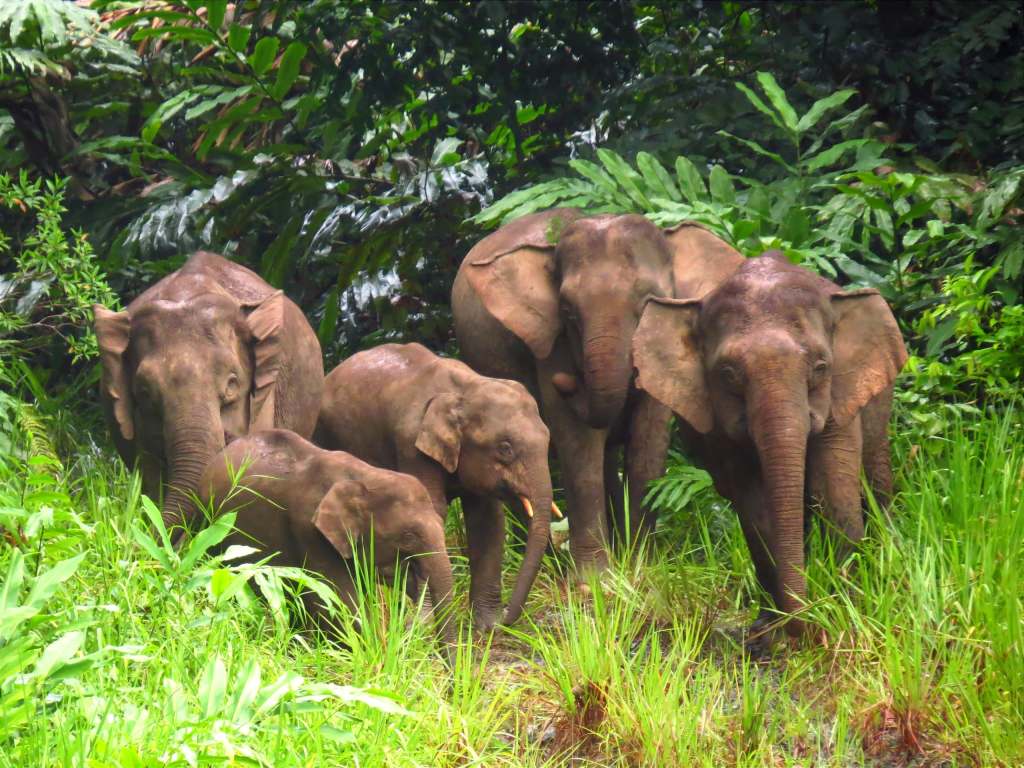
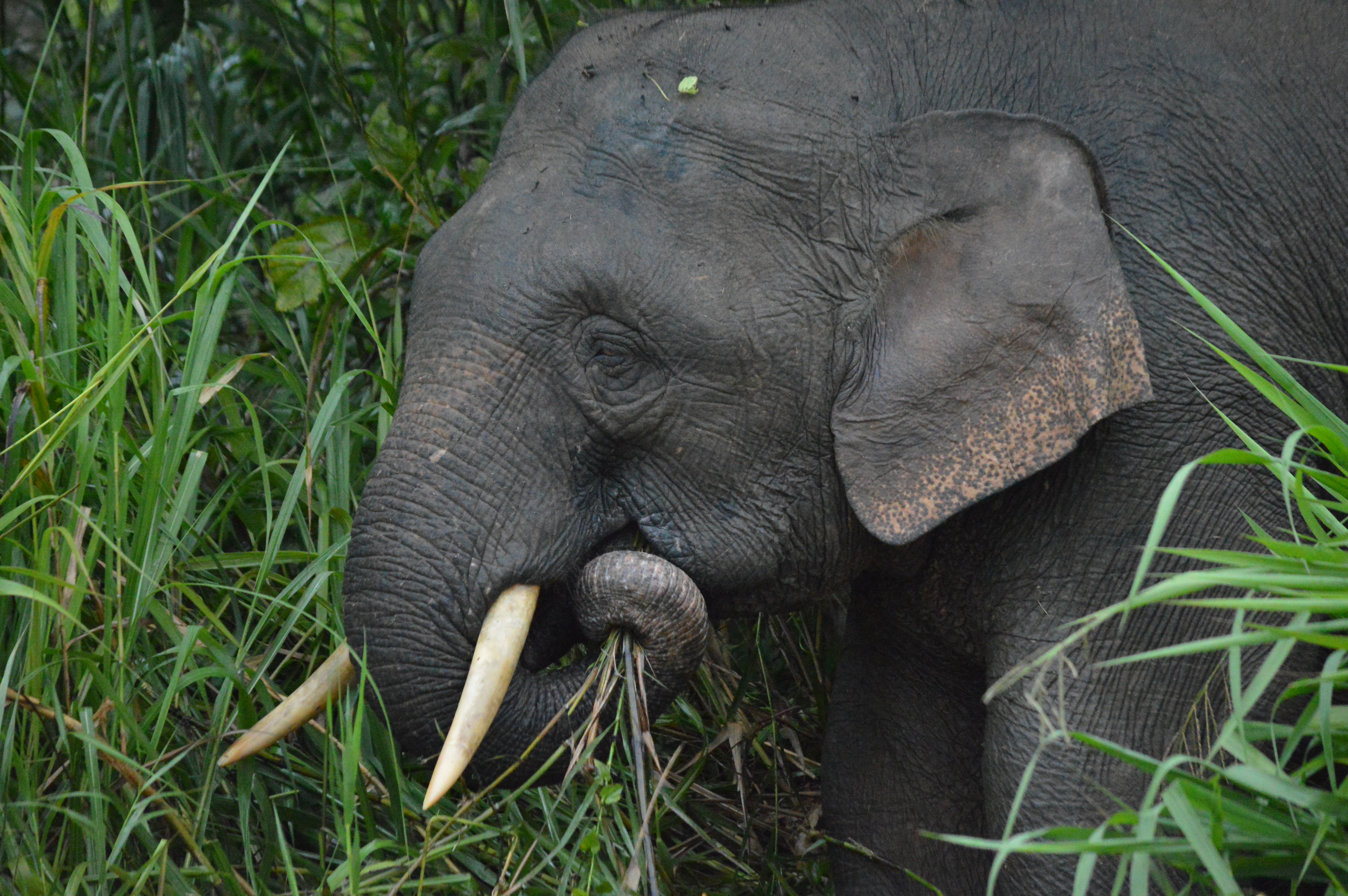
🦣 Bornean Pygmy Elephant
The smallest elephant species in Asia, known for their gentle nature and matriarchal herds.

🐃 Bornean Banteng
An endangered wild cattle species—rarely seen, but sometimes spotted grazing deep in the forest.

🐻 Sun Bear
The world’s smallest bear with an adorable but deceptive appearance—solitary, shy, and great tree climbers.

🐆 Clouded Leopard
An agile predator known for its ability to climb trees up to 20 meters high. Their large canines and mysterious behavior make them one of the most fascinating cats in the region.

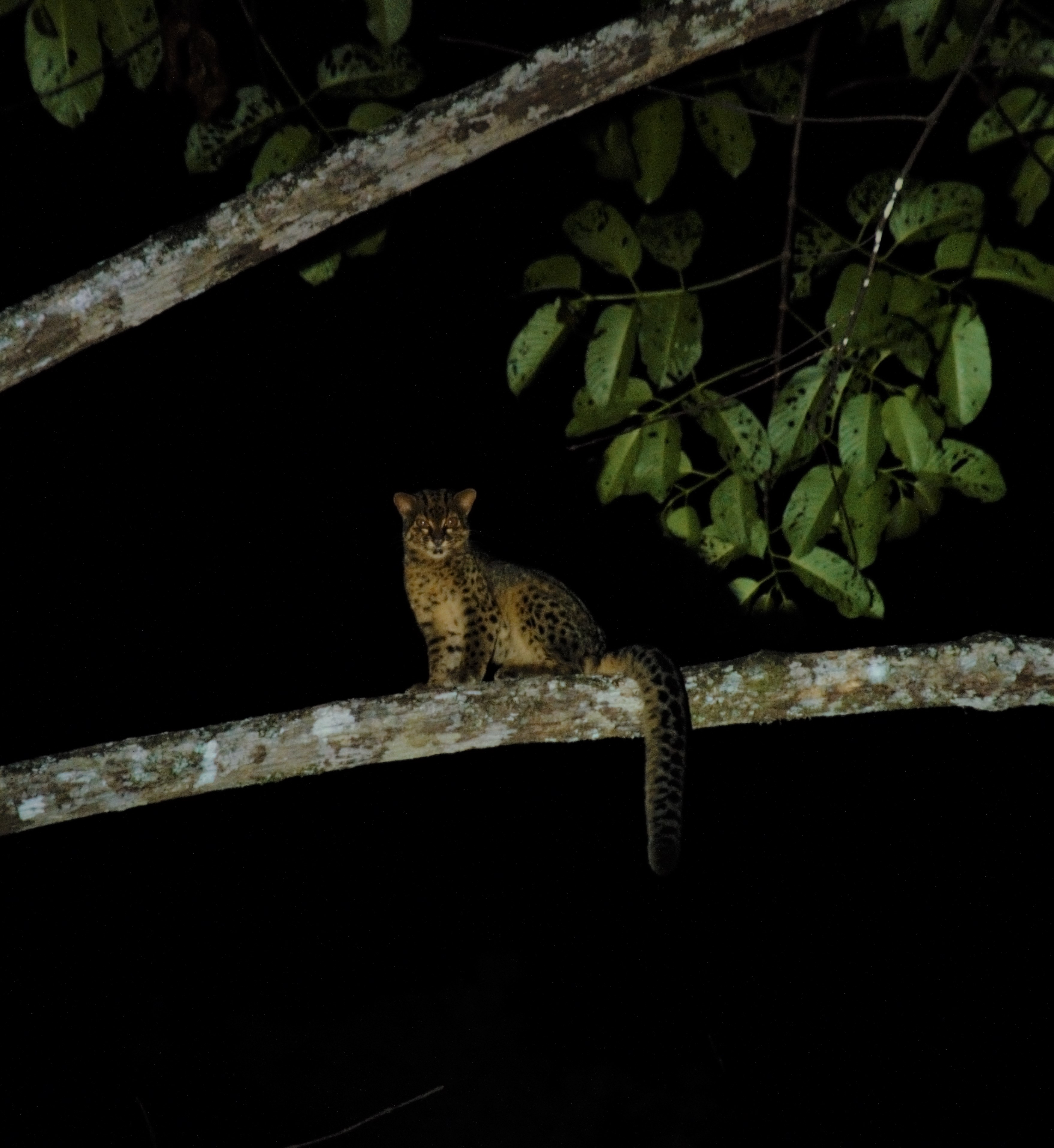
🐈‍⬛ Marbled Cat
Tree-loving and elusive, often mistaken for a small version of the clouded leopard due to its beautifully patterned coat.

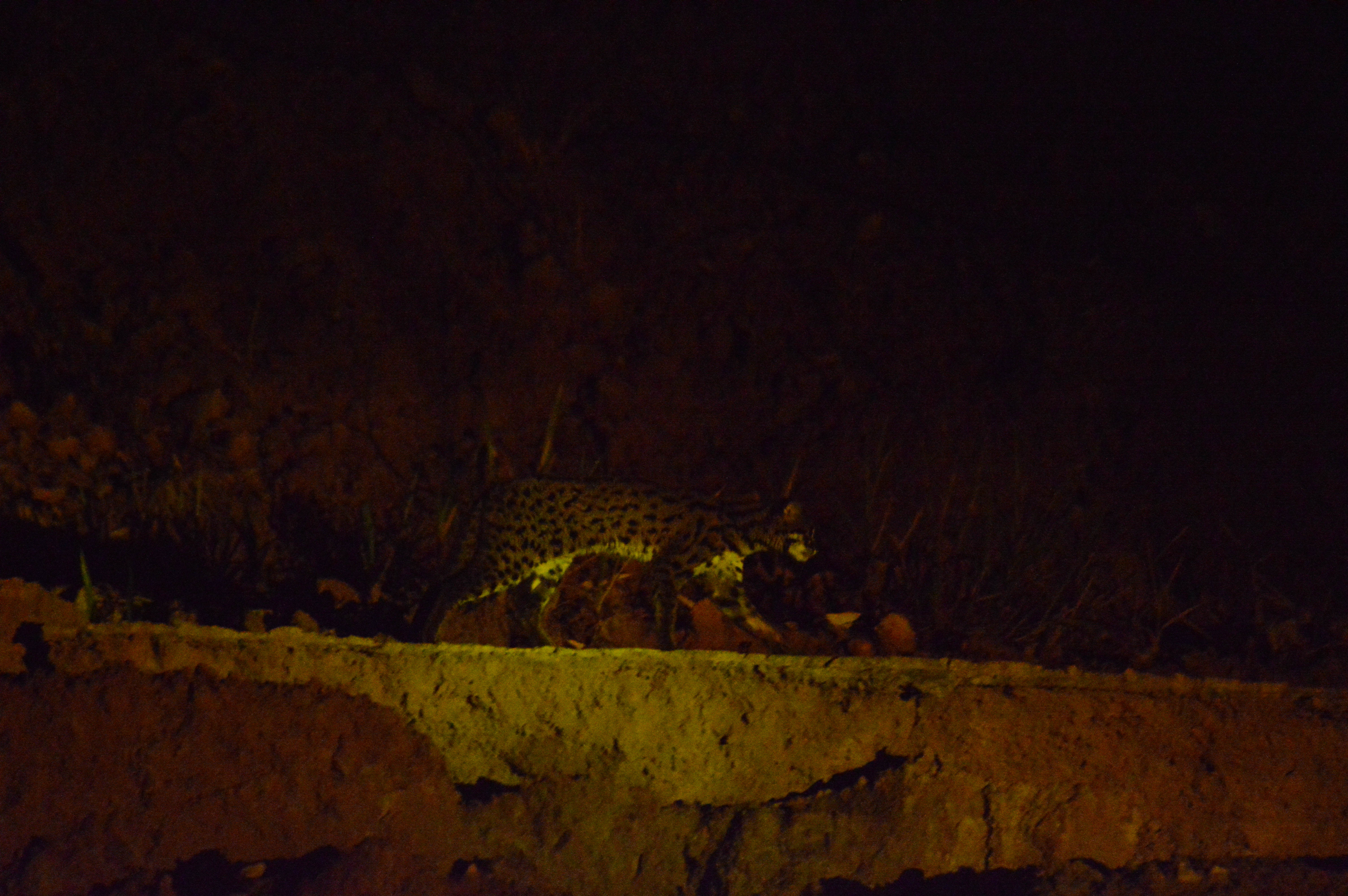
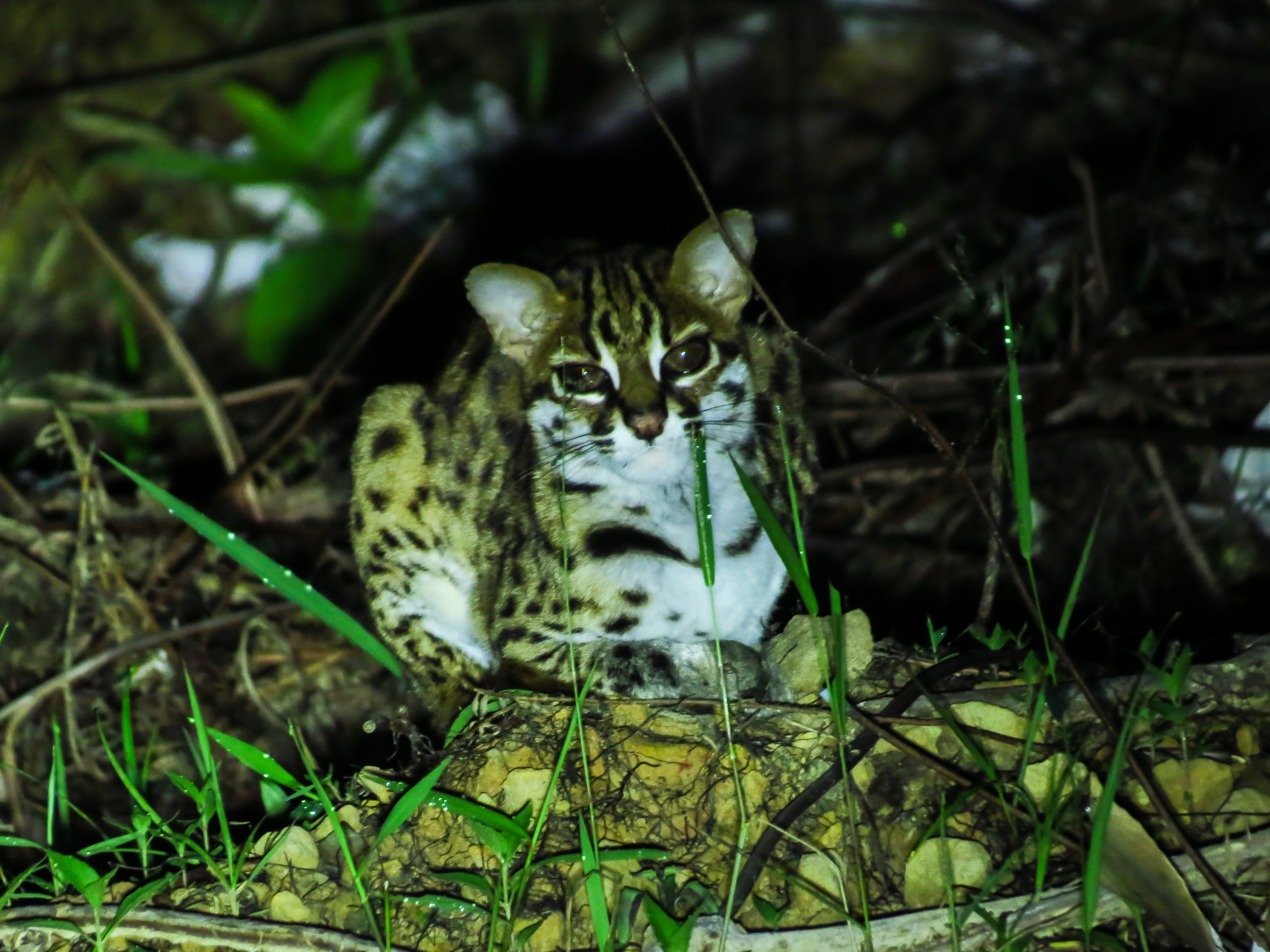
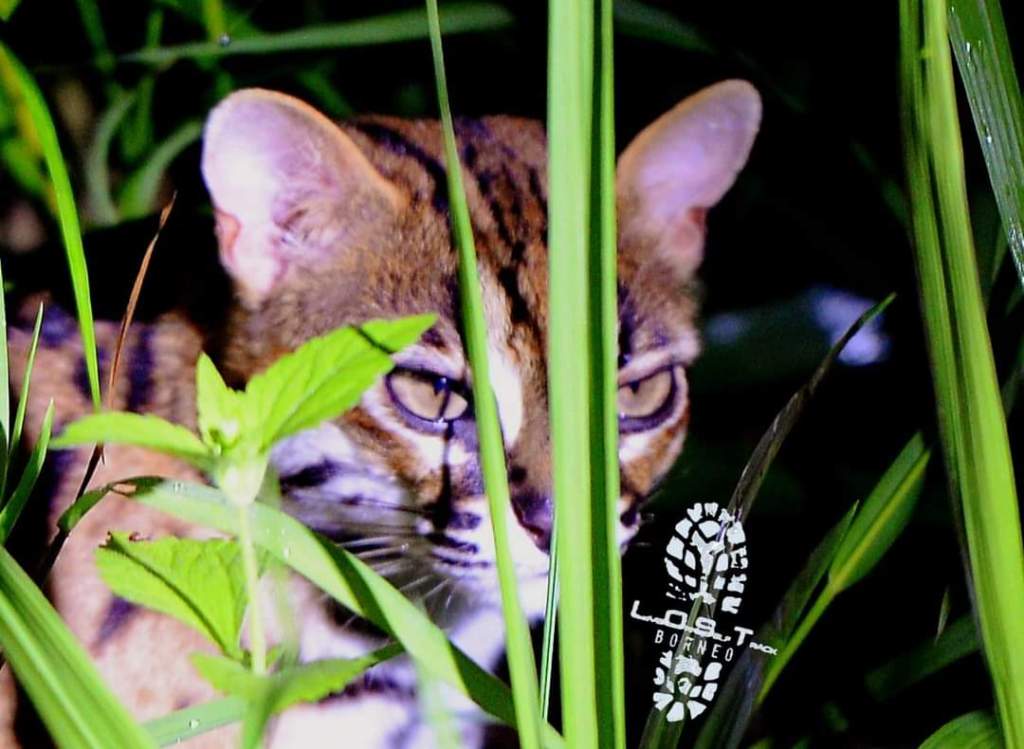
🐾 Leopard Cat
Unlike its tree-dwelling cousins, this ground-loving feline prefers to stay low and hidden in dense vegetation.

🎣 Fishing Cat
A rare semi-aquatic cat that, as the name suggests, loves fish. Sightings are extremely rare, but they do exist here!

🦊 Bornean Bay Cat
The crown jewel of Borneo’s wild cats—enigmatic, rarely seen, and still largely a mystery to science.

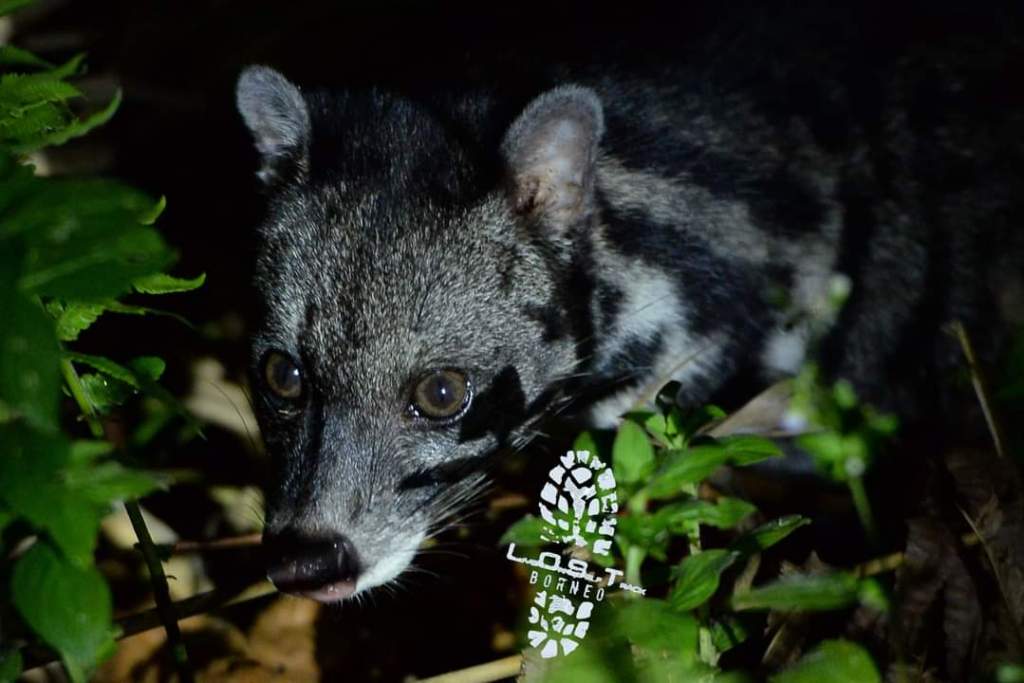
🦝 All 8 Species of Civets
Yes, all eight species found in Borneo live here—including the rare and nocturnal Otter Civet and Malay Civet.

🐈‍⬛ Binturong (Bearcat)
Technically not a bear or a cat. Imagine if a sun bear and a civet had a baby—that’s pretty much what a binturong looks like. They smell like buttered popcorn and often hang out in the canopy!

Not a cat person? No worries.

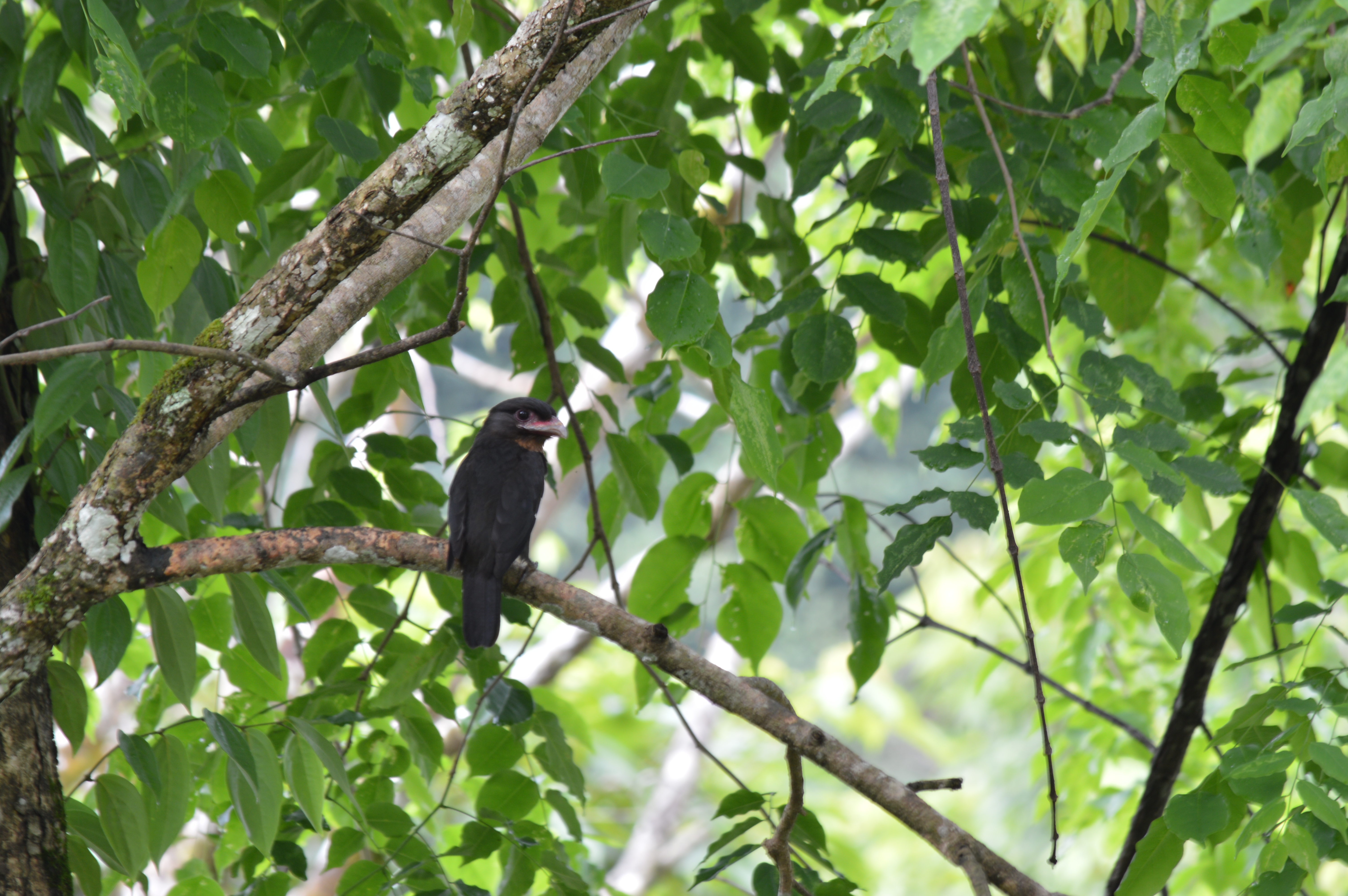
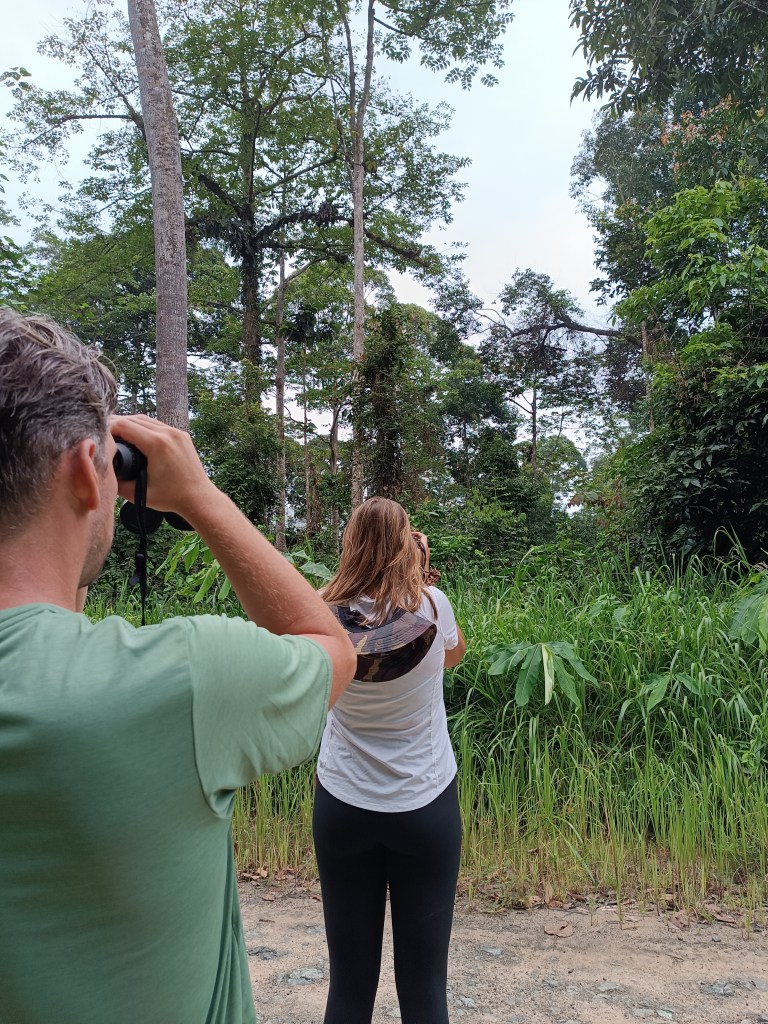
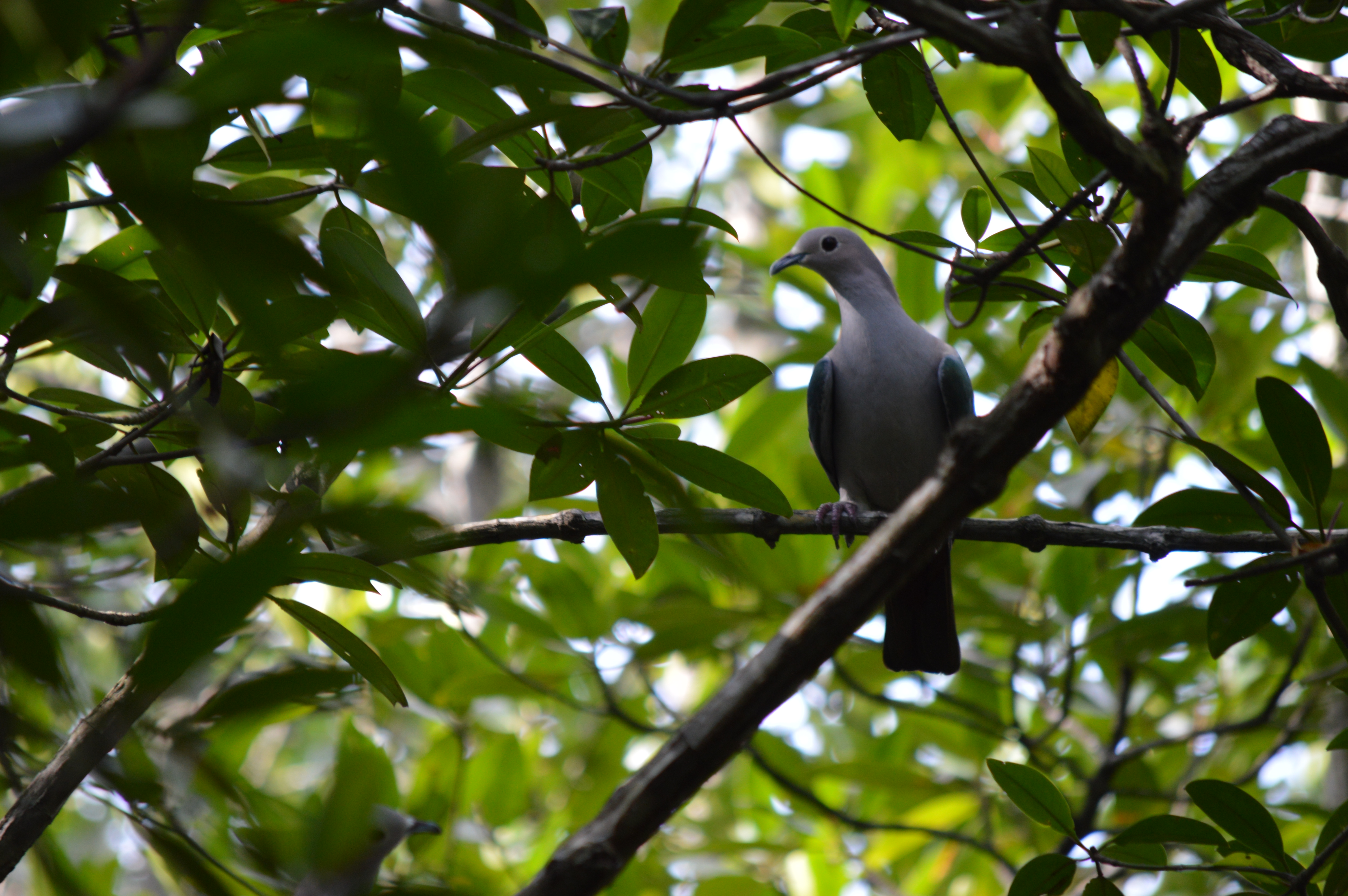
Deramakot isn’t just for big cat lovers—birdwatchers and nature lovers will feel right at home too. With over 200 species of colourful birds, this forest is alive with songs, calls, and flashes of vibrant feathers.

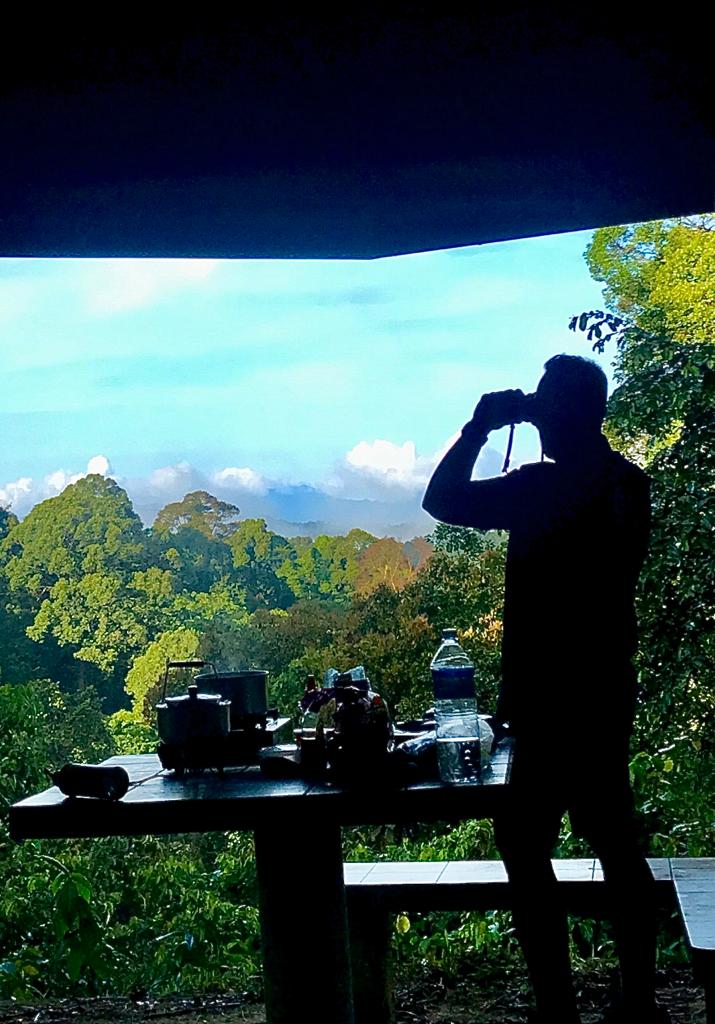
Bring your bird checklist, your binoculars (or that bazooka-sized lens), and find a quiet spot to sit back with a hot cup of coffee, tea, or whatever keeps you zen. Just relax and let the rainforest do the talking.

And if birds aren’t exciting enough, keep your eyes peeled for other ‘flying’ residents of the forest:

🦎 Flying Lizards
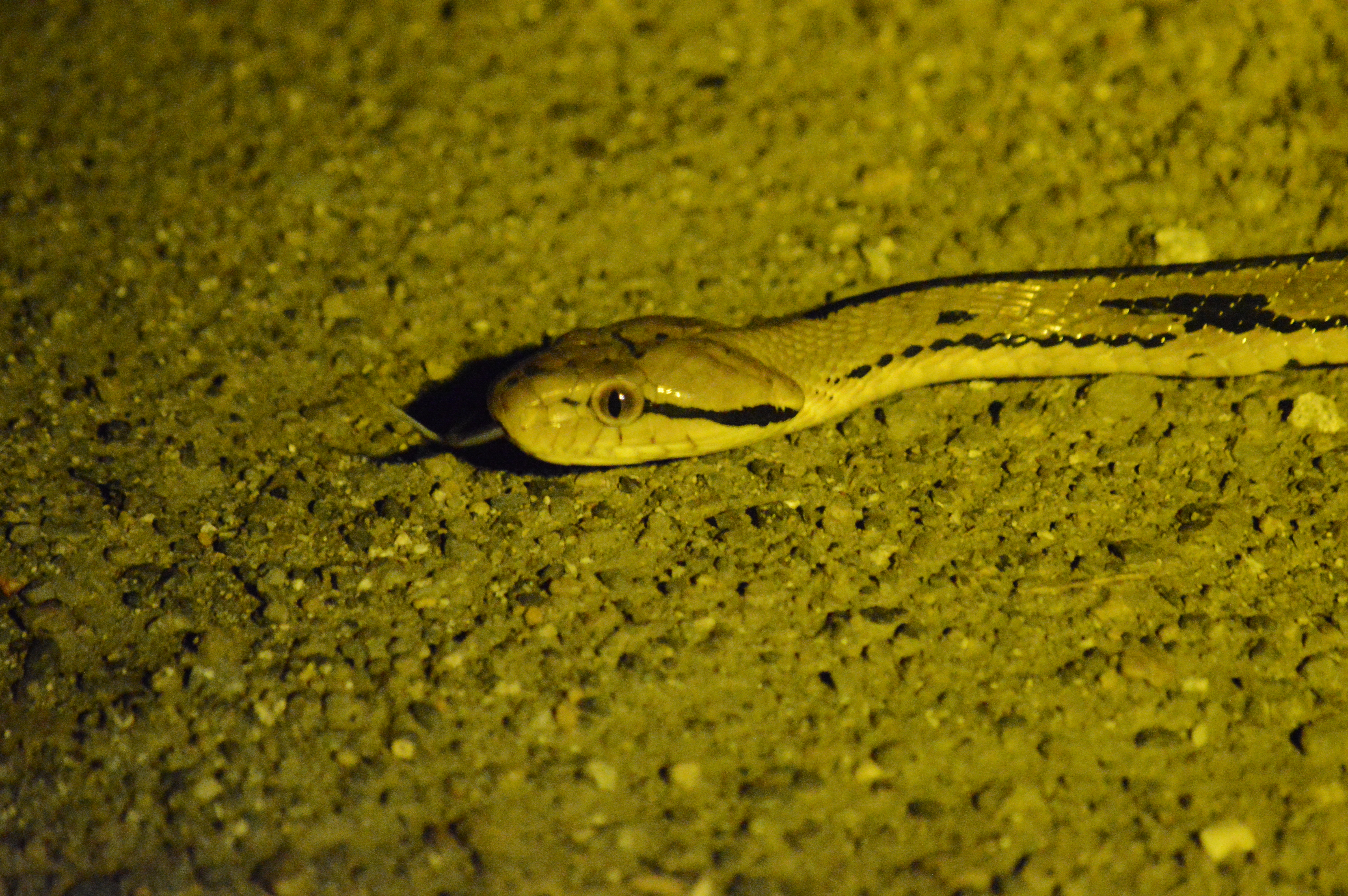
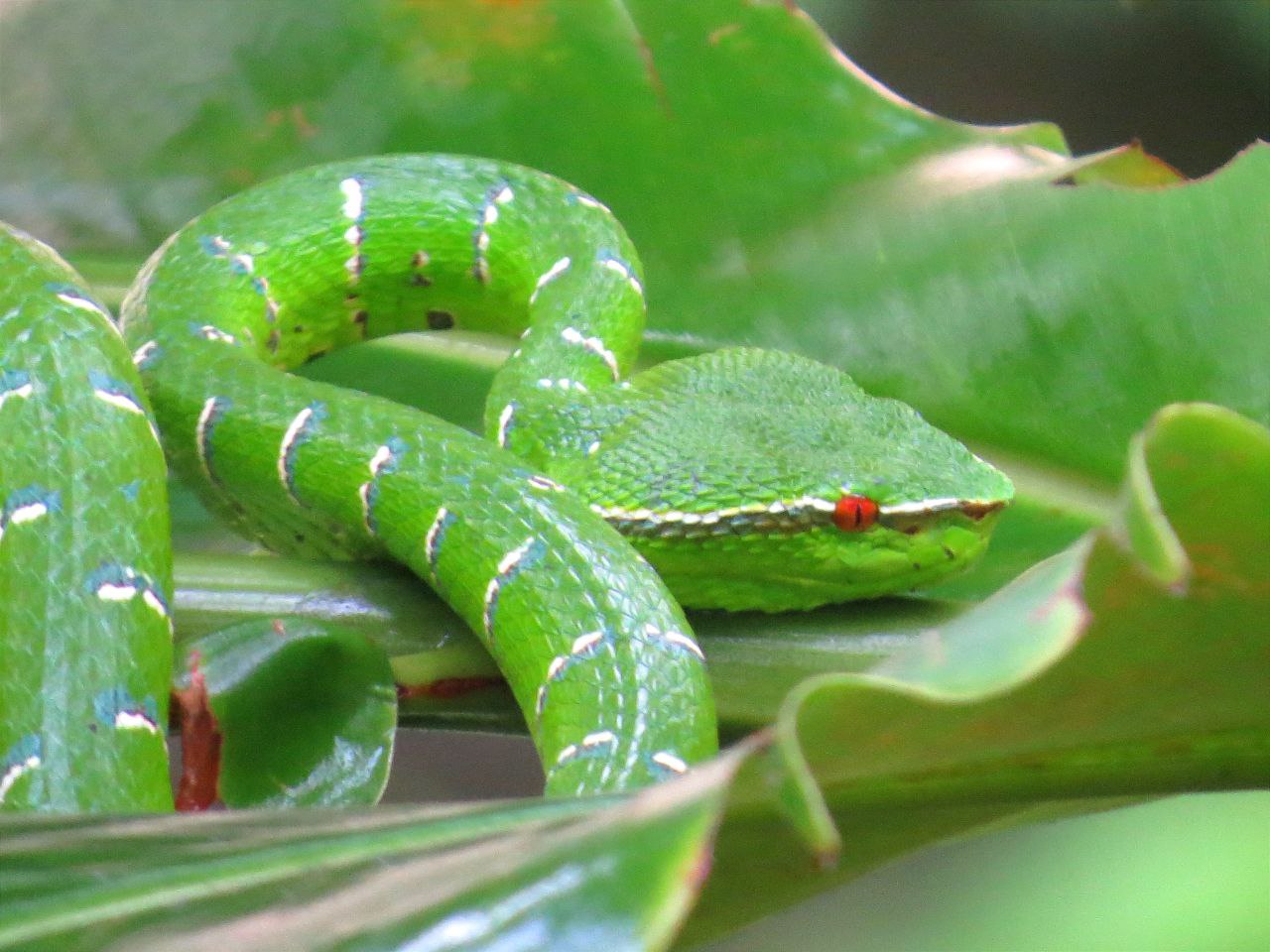
🐍 Flying Snakes
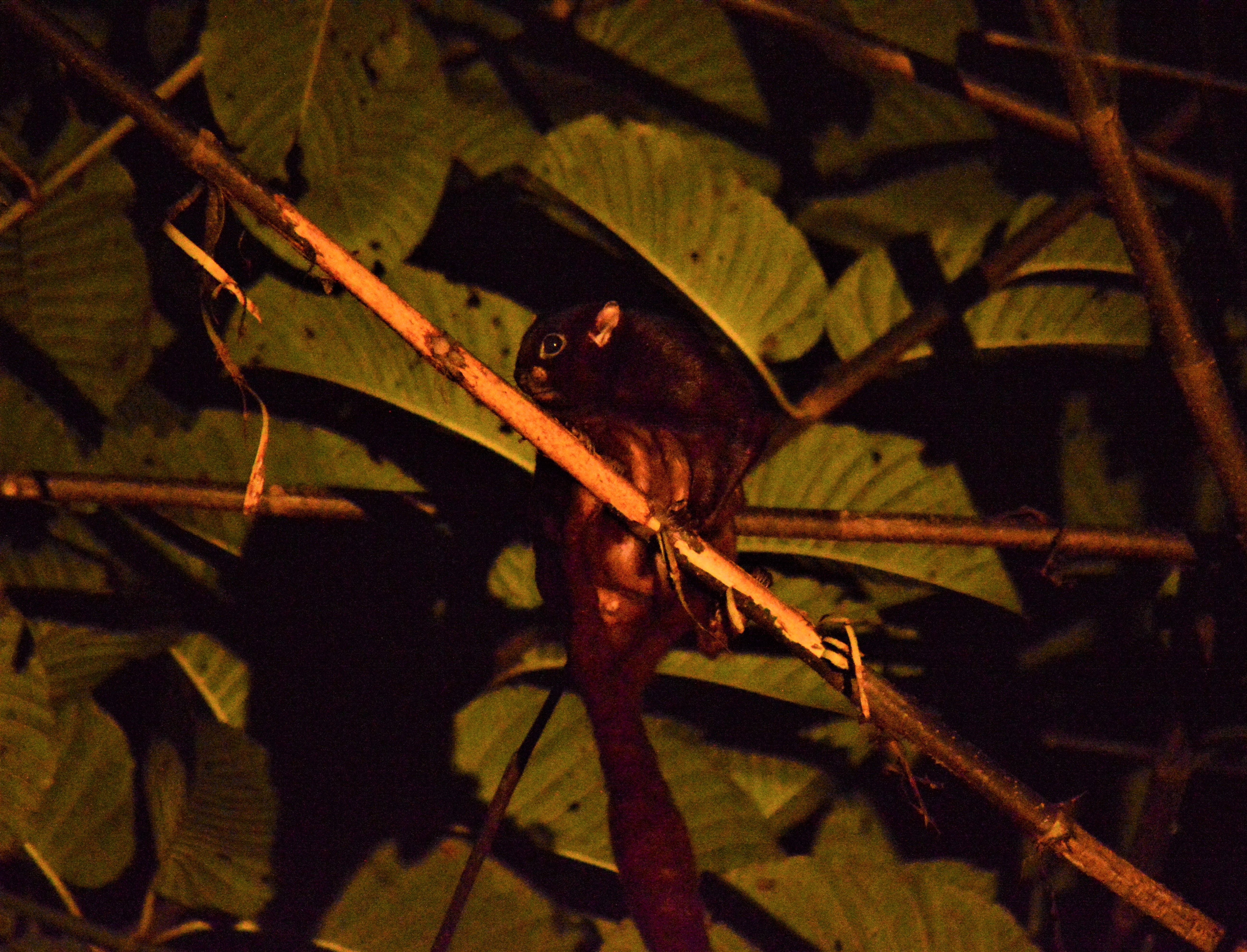
🐿️ Gliding Squirrels

Yes, they exist—and yes, they’re real. You never know what might glide, slither, or swoop past you. In Deramakot, there’s always magic in the trees.

Come for the orangutans. Stay for the surprises. You’ll definitely find happiness here.
Not into mammals or birds? More into what they eat?

Ah, you’re one of the brave few—insect lovers. Don’t worry, my friend, you’re in for a treat. Or a shock. Or both.

Prepare to be amazed (and maybe a little spooked) by the jaw-dropping size of some of Borneo’s insects. I always tell my clients:

“In Africa, the grass is short and the animals are supersized—like a McDonald’s meal upgrade. In Borneo, it’s the other way around: our mammals may be smaller, but our insects? They’re massive. Supersized bugs, straight out of a sci-fi movie.”

Some of them honestly look like they crash-landed from Mars or Jupiter. Big, weird, alien-looking—and your macro lens will be doing cartwheels trying to capture their otherworldly details.

From giant stick insects to bulky beetles, colorful mantises, hairy spiders, and moths the size of your hand—this is a macro photographer’s paradise.

Oh, and yes… reptiles.

We’ve got big snakes, poisonous snakes, giant lizards, and more. But let’s skip this part because, personally, I’m not a fan of reptiles. 😅
(But my colleague? Absolutely obsessed—ask them for the full herpetology tour!)

FAQ 2: So… what does the accommodation look like?

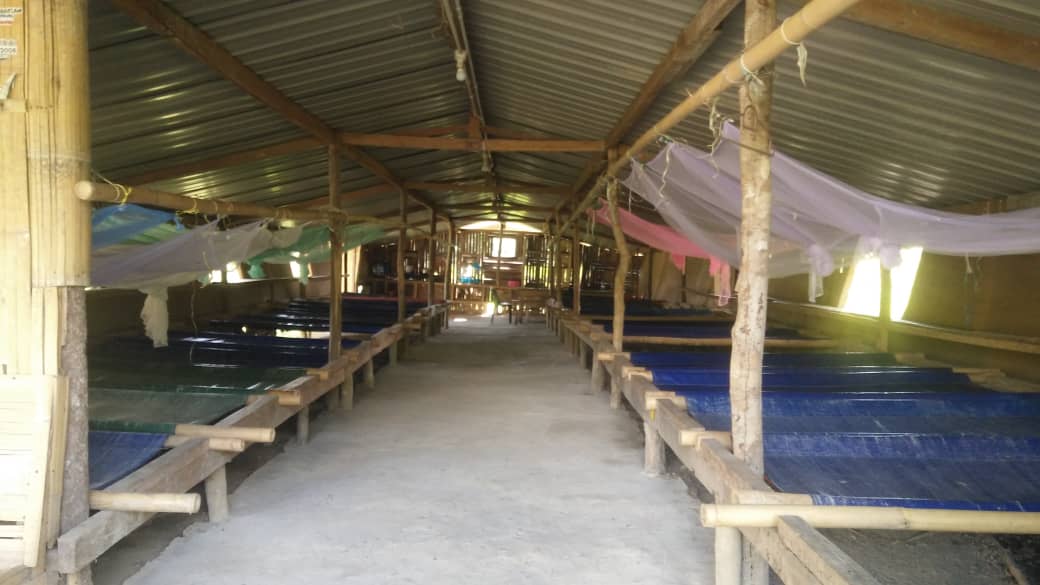
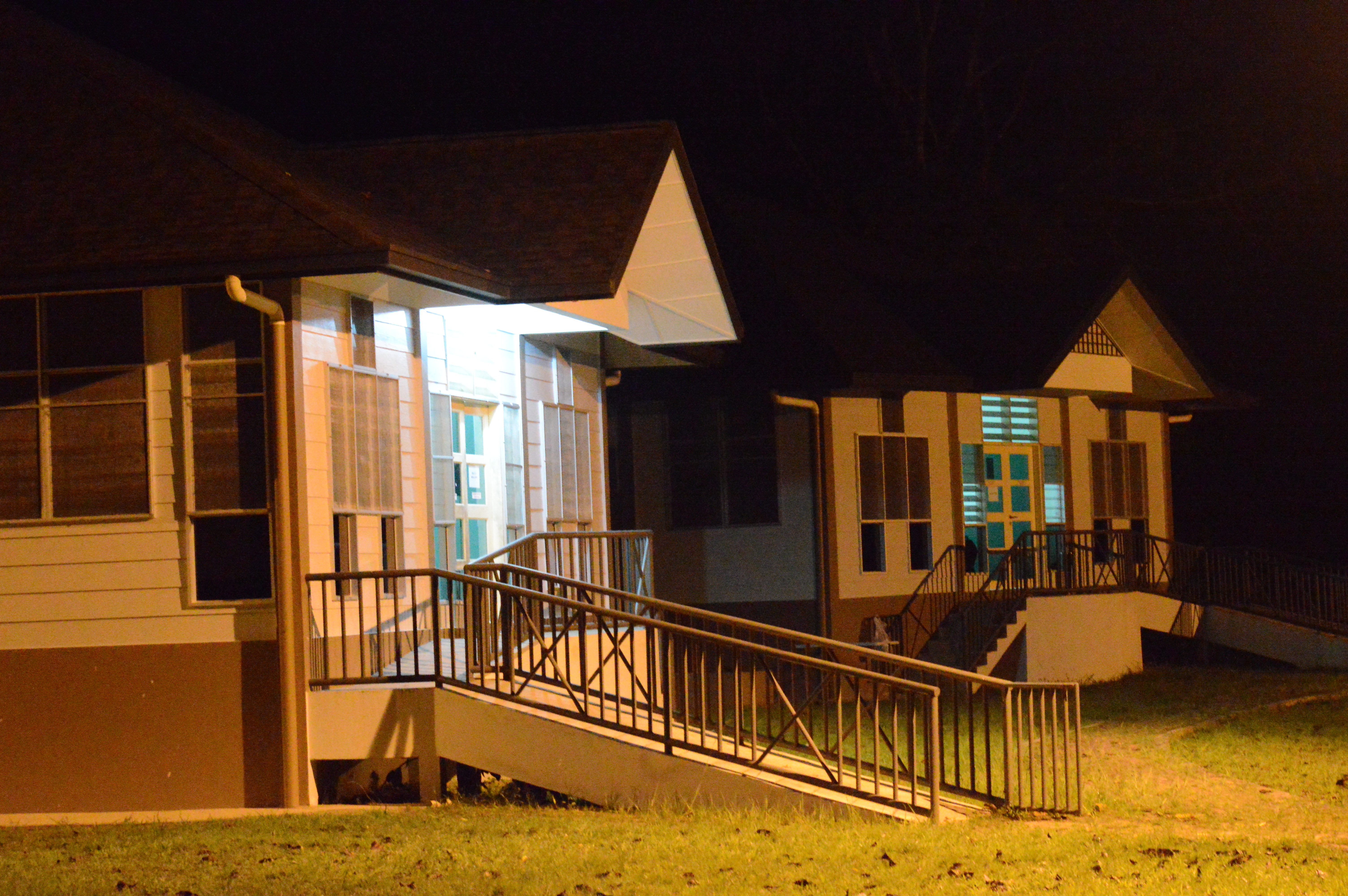
Take a look at the picture — this is simple, rustic comfort deep in the rainforest.

🏠 Facilities include:

Rooms with attached bathrooms

Hot showers and Western-style toilets

24-hour electricity (thanks to an on-site generator)

This isn’t a luxury resort, but it’s clean, comfortable, and gives you the rare chance to stay right in the heart of one of Borneo’s best wildlife areas. And yes, you’ll sleep well after a full day of adventure.

FAQ 3: What about food?

No jungle survival skills needed here!

Before entering Deramakot, your guide will stop in town to stock up on fresh vegetables, meat, fruits, bottled water, and everything needed to keep you well-fed.

🍽️ Meals are home-cooked and prepared daily at the lodge by your guide or camp staff. Expect local flavors, hearty meals, and hot drinks to enjoy during your downtime. Special dietary needs? Just let your guide know in advance.

Tip: Bring along your favorite snacks or instant coffee if you have a specific craving — options are limited once you’re inside the reserve.
FAQ 4: So how do you find the animals?

There are two main ways to spot wildlife in Deramakot — and both are pretty awesome.

🛻 1. Safari Drive
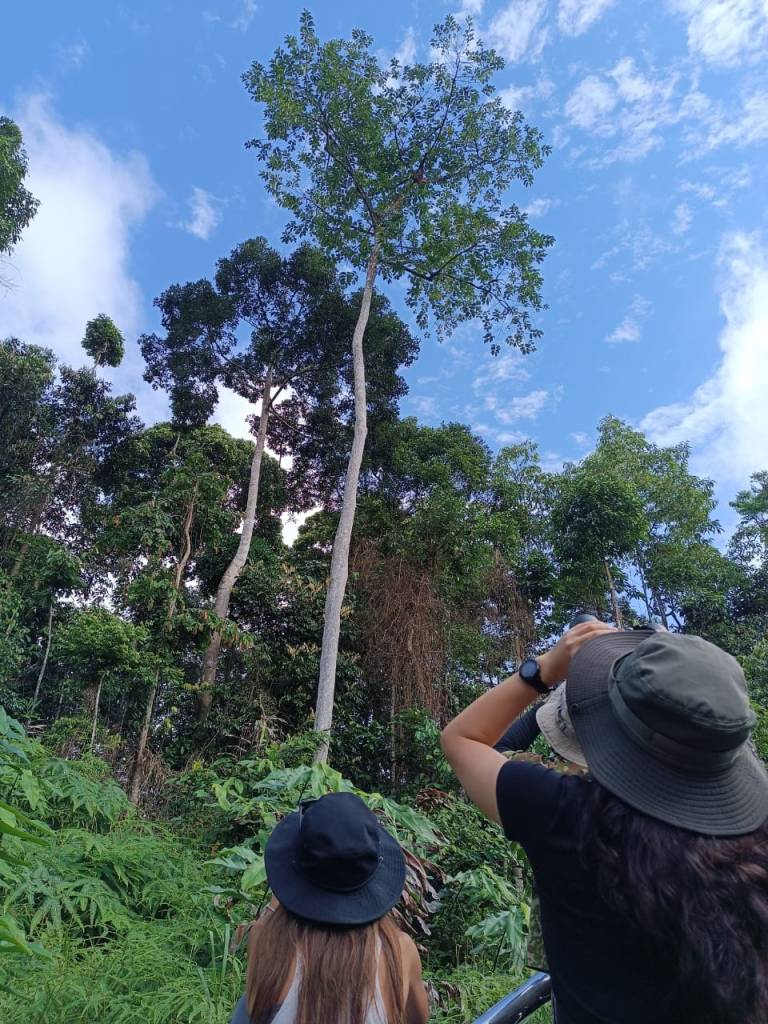
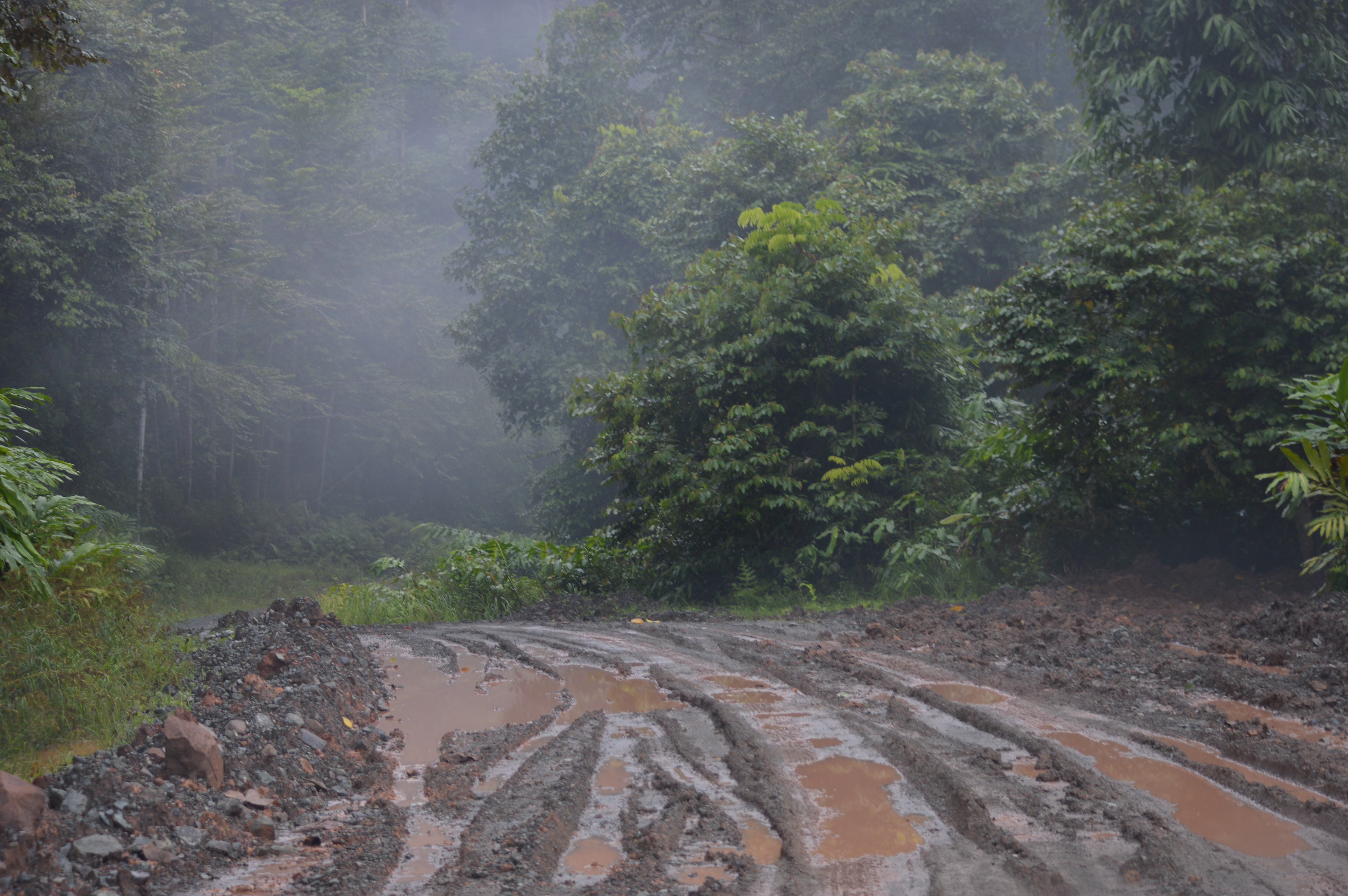
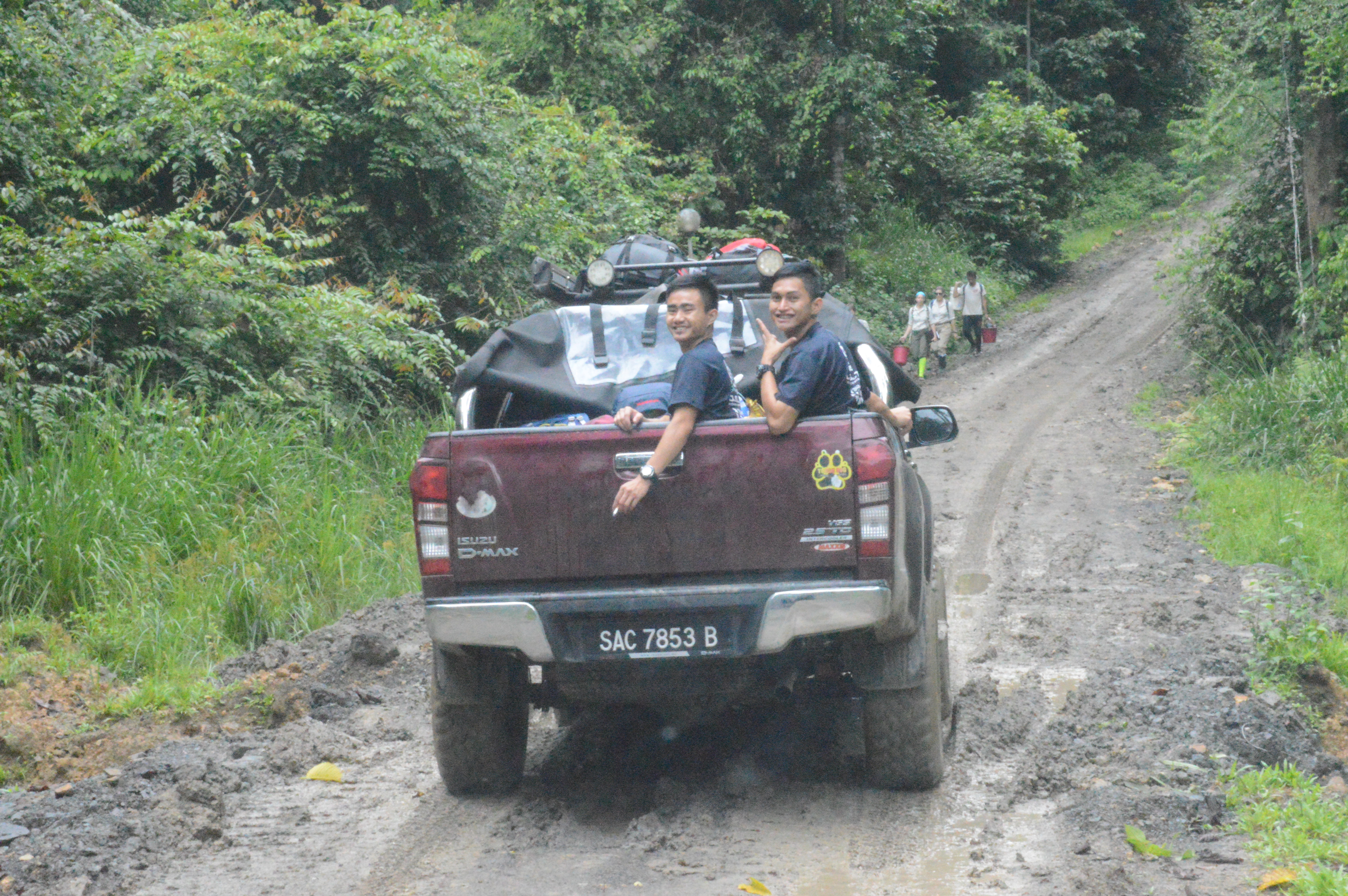
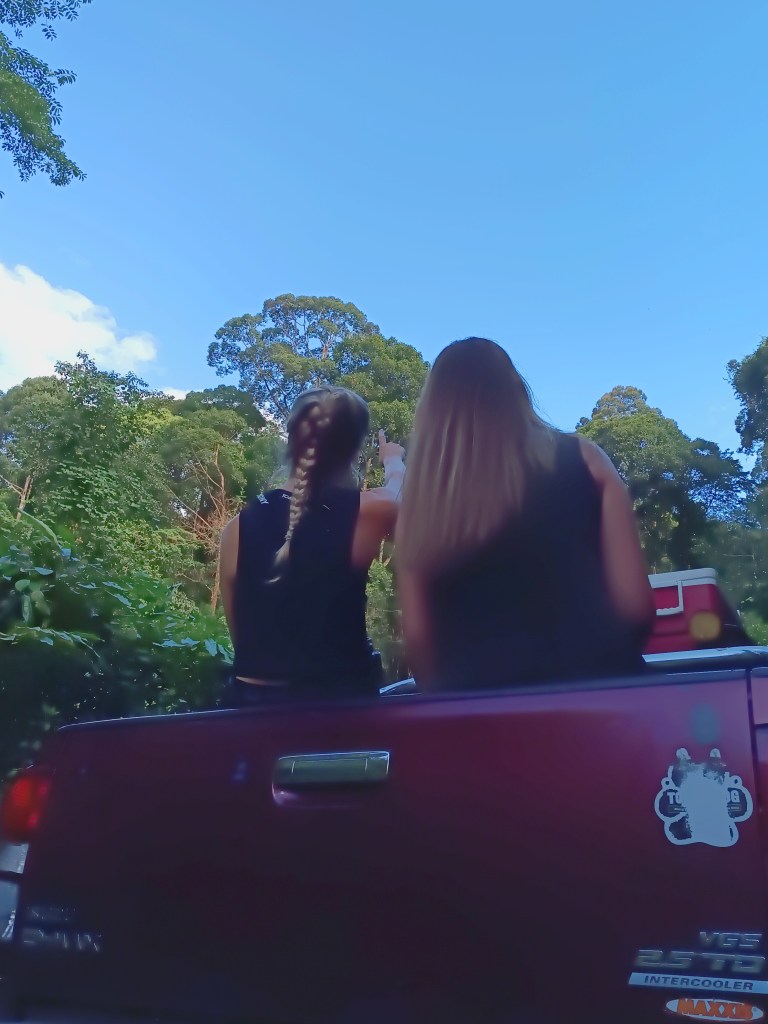
Hop on the back of an open-top 4WD truck and cruise slowly along the old logging roads. Your guide — equipped with hawk eyes and a lifetime of jungle experience — will help you spot animals hidden in the trees, underbrush, or casually crossing the road. Day or night, this is your best chance to see larger mammals, like orangutans, elephants, civets, and maybe even a wild cat or two.

🥾 2. Jungle Walks
If you’re up for a bit of adventure, head out on foot with your guide along established logging road. This method is perfect for spotting primates, birds, insects, and getting up close to the forest’s finer details — like animal tracks, unique plants, and sounds that you’d miss on a drive.

Tip: Most guests do both — safaris in the morning or evening, and guided walks during the day for a full Deramakot experience.

FAQ 5: What kind of wildlife activities can you expect in Deramakot?

Whether you’re a night owl, an early riser, or somewhere in between, there’s always something wild happening in the forest. Here’s how each part of the day comes alive:

🌙 Night Drives – The Realm of Nocturnal Creatures

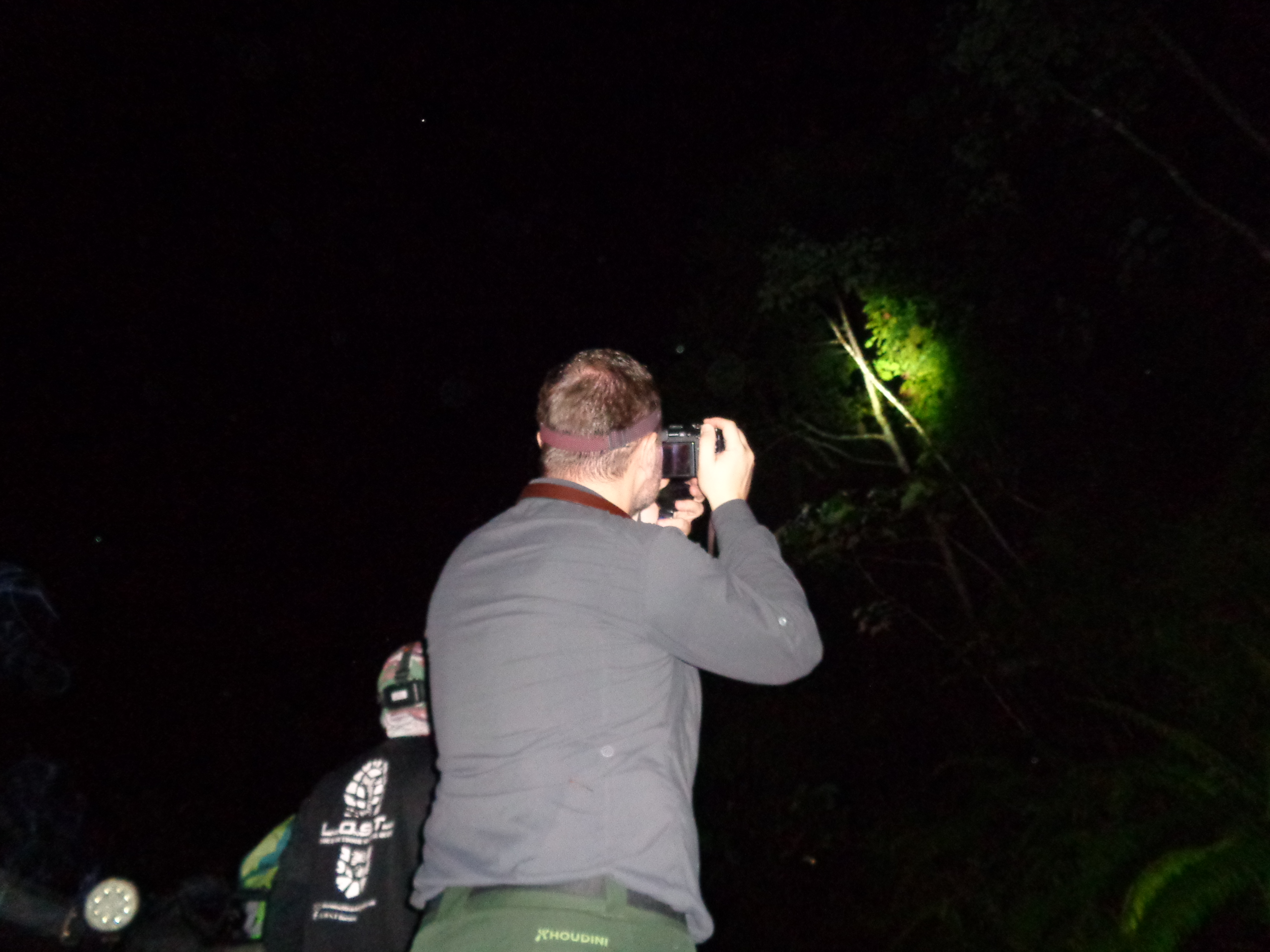
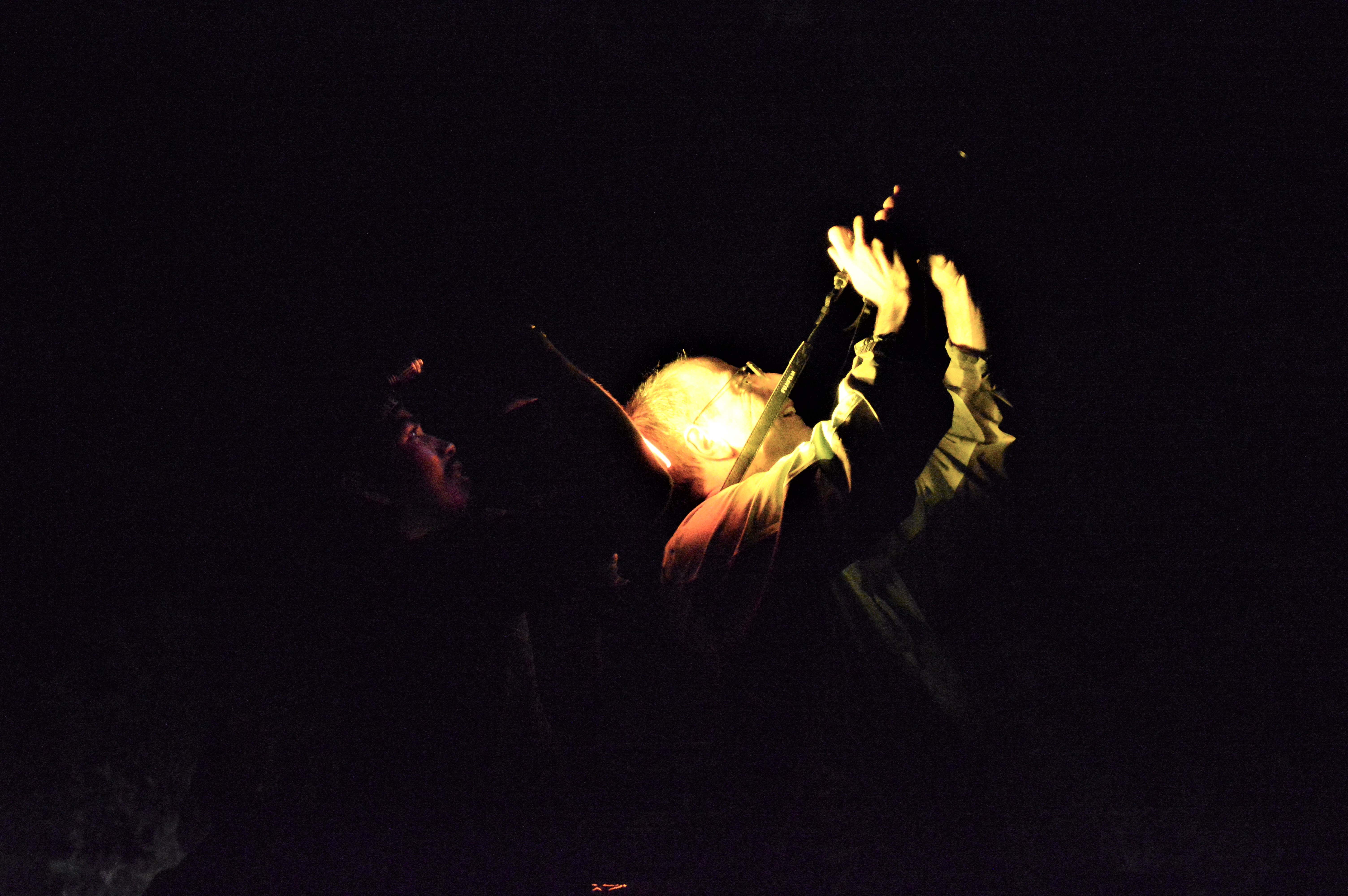
Hop into the open-top 4WD after dark to search for night-active mammals. With spotlights in hand and your guide leading the way, keep your eyes peeled for:

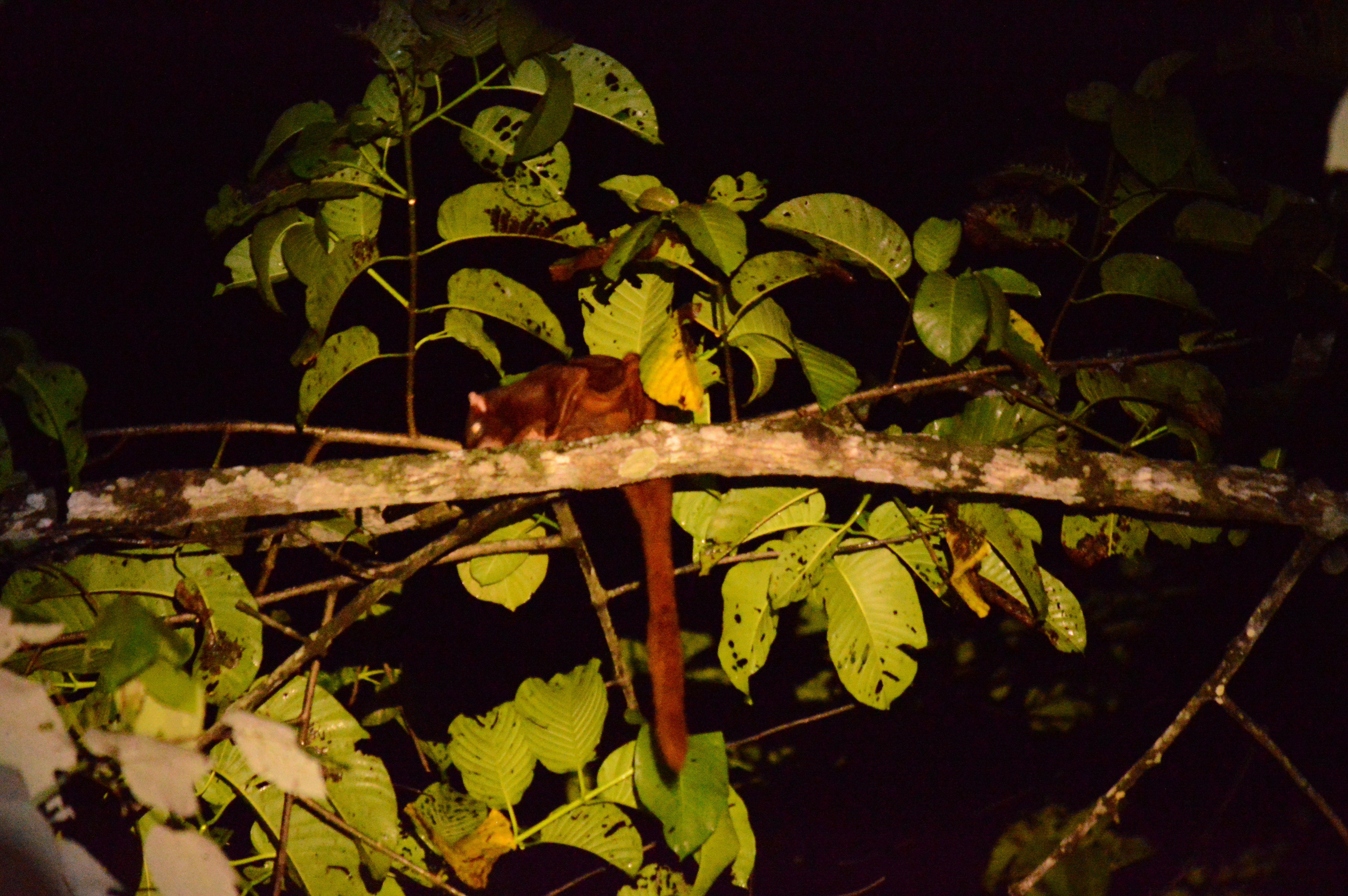
🐿️ Flying Squirrels gliding between trees

🐱 Civet Cats, Leopard Cats, and even Clouded Leopards

🐘 Pygmy Elephants quietly moving through the forest

🐻 Sun Bears and Porcupines

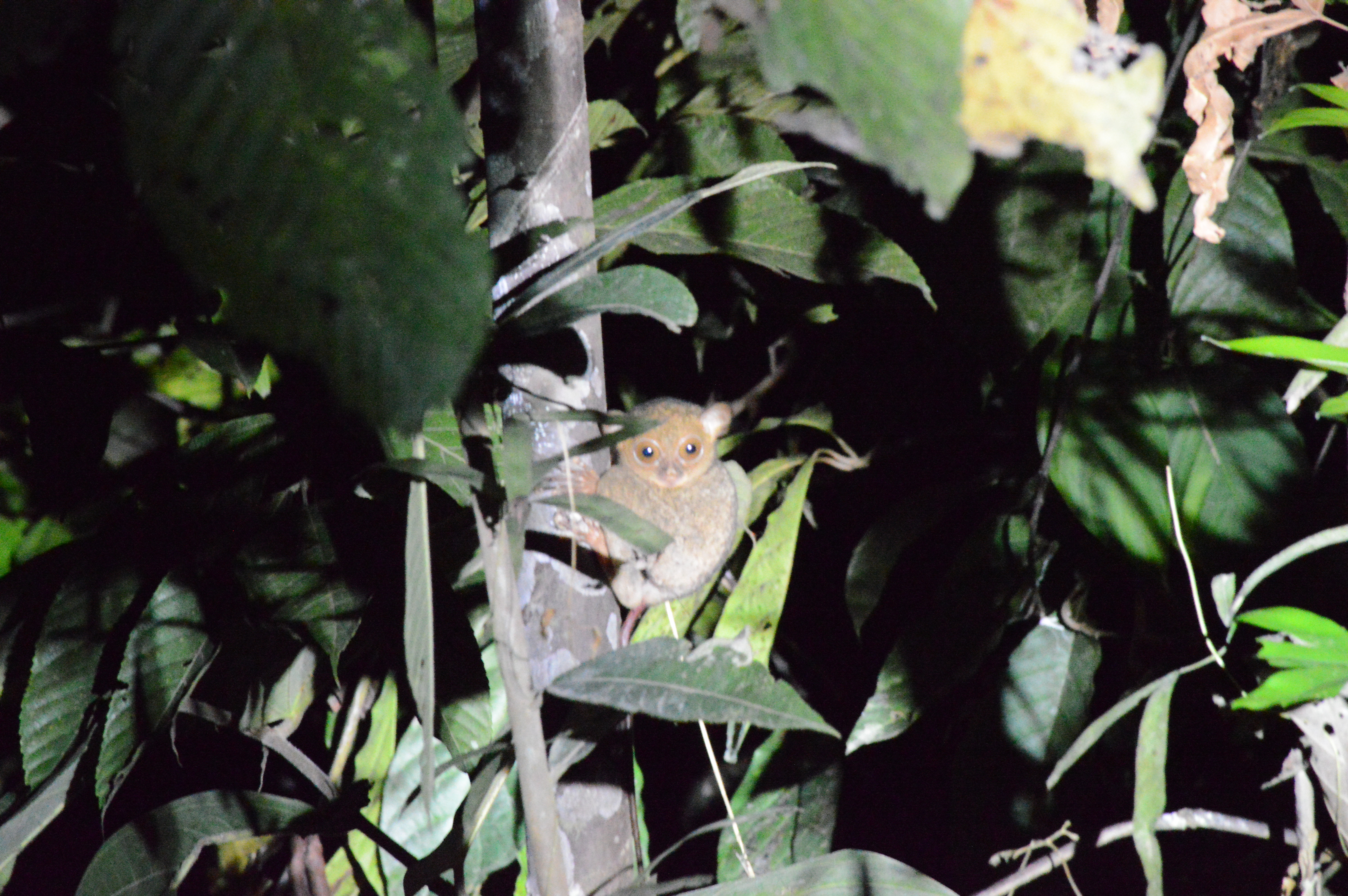
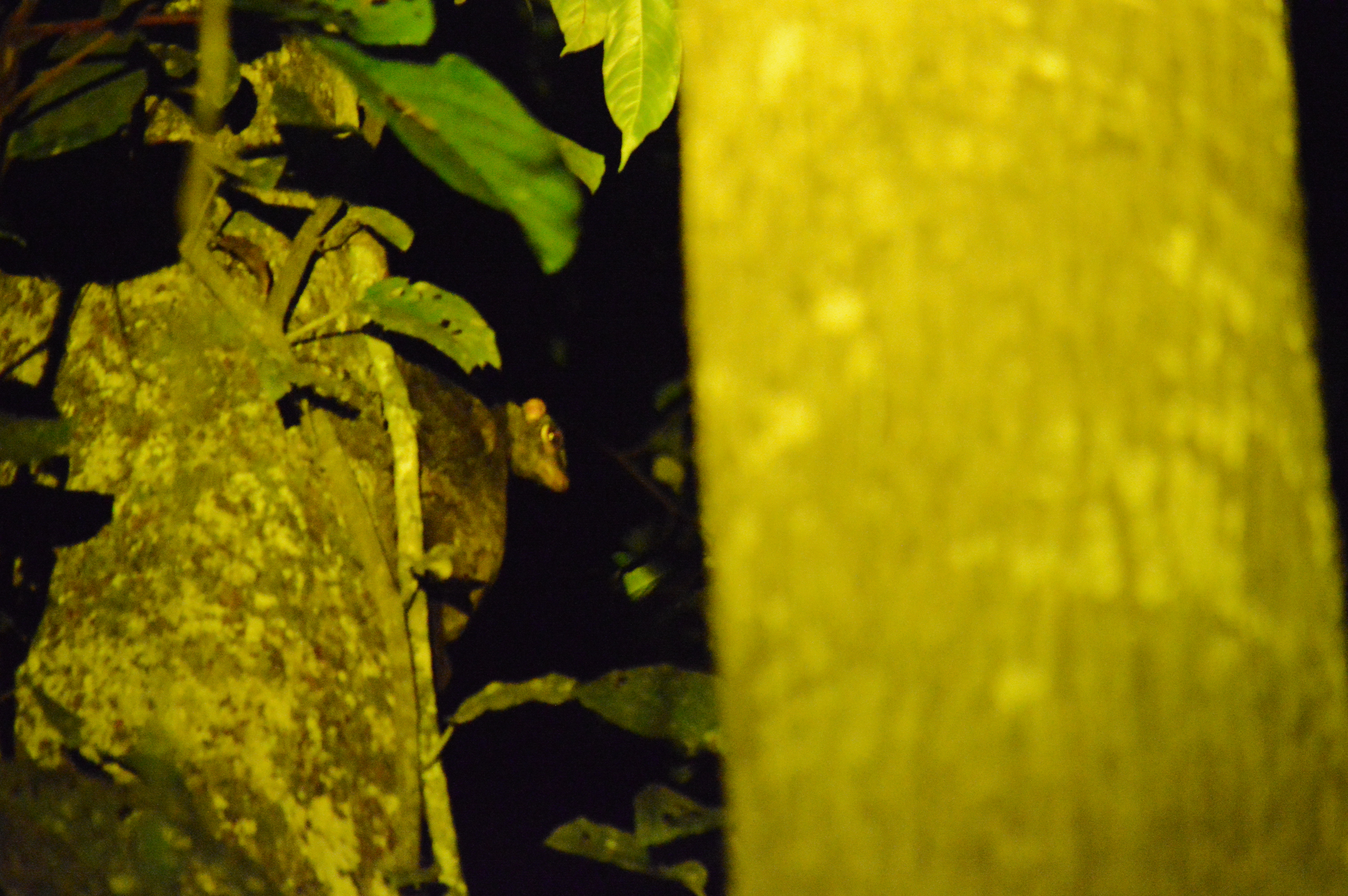
🐸 Slow Loris and Western Tarsier — small, elusive primates

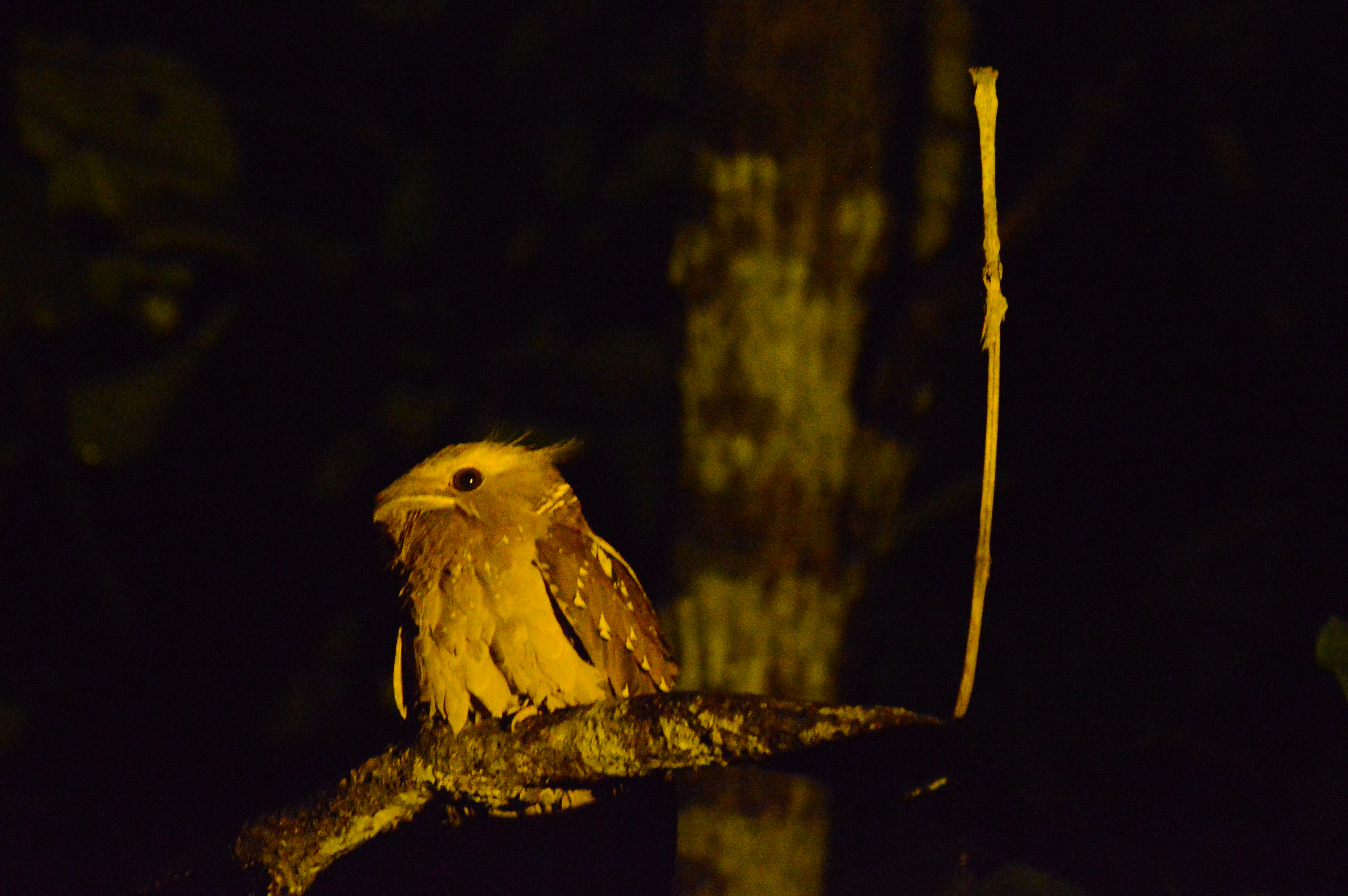
🦉 Owls, Frogmouths, and other nocturnal birds

This is when the forest whispers secrets only the dark can tell.

🌅 Morning & Afternoon Drives – Birds, Primates, and Daytime Mammals

These are the golden hours for:

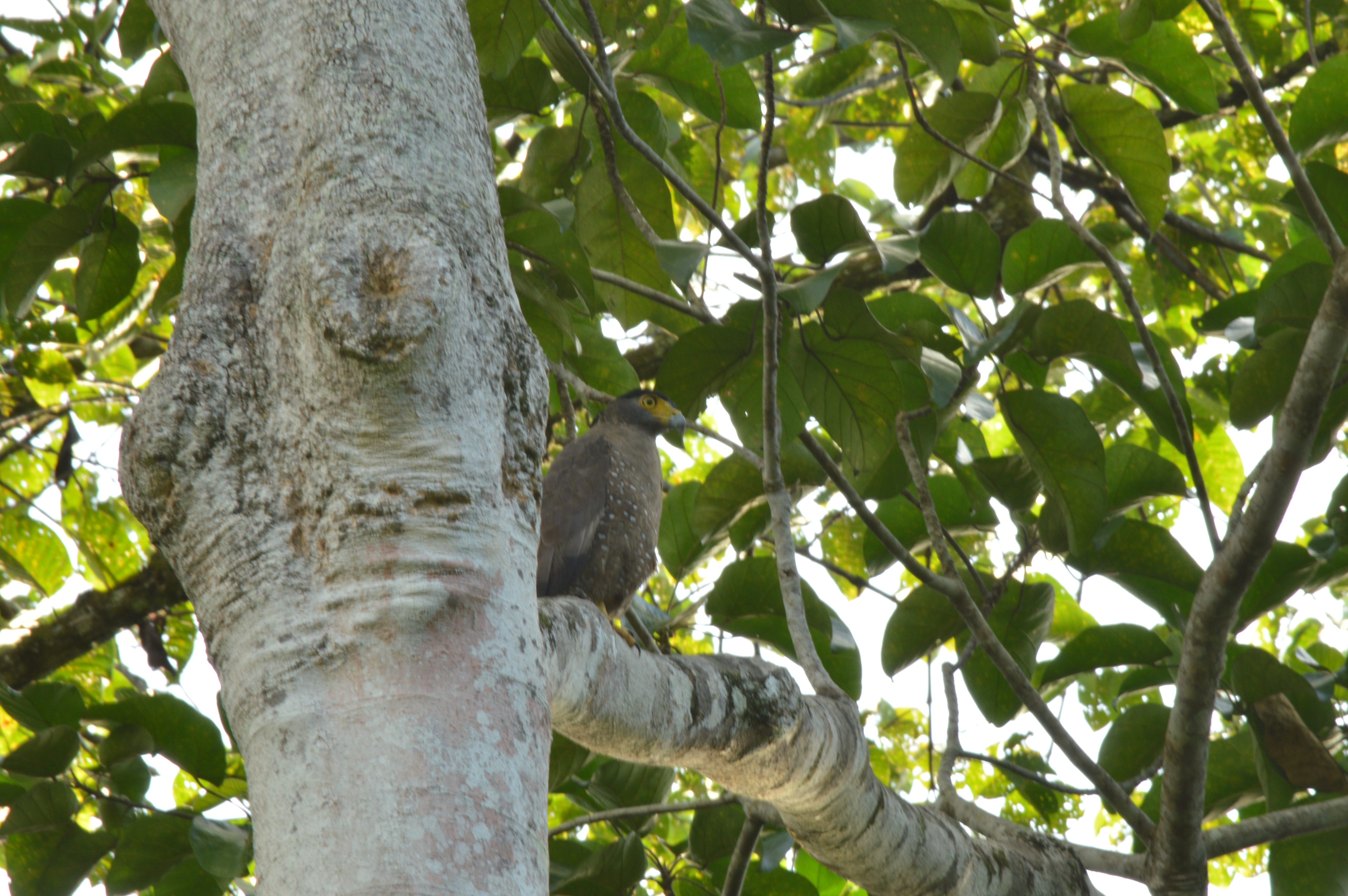
🦜 Birdwatching: Spot Hornbills, Eagles, Trogons, and more

🐒 Primates: Orangutans, Red Leaf Langurs, Bornean Gibbons, Macaques

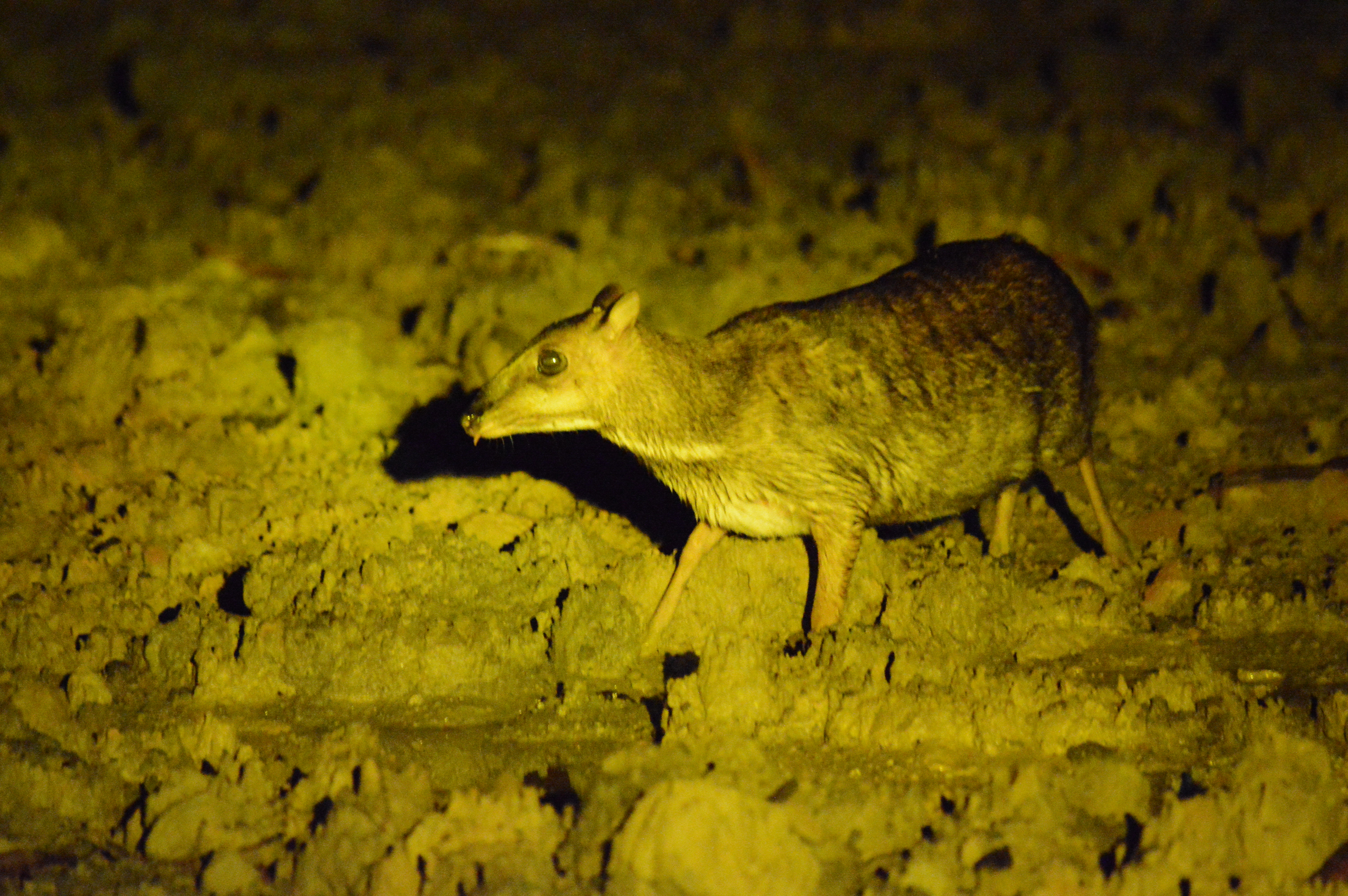
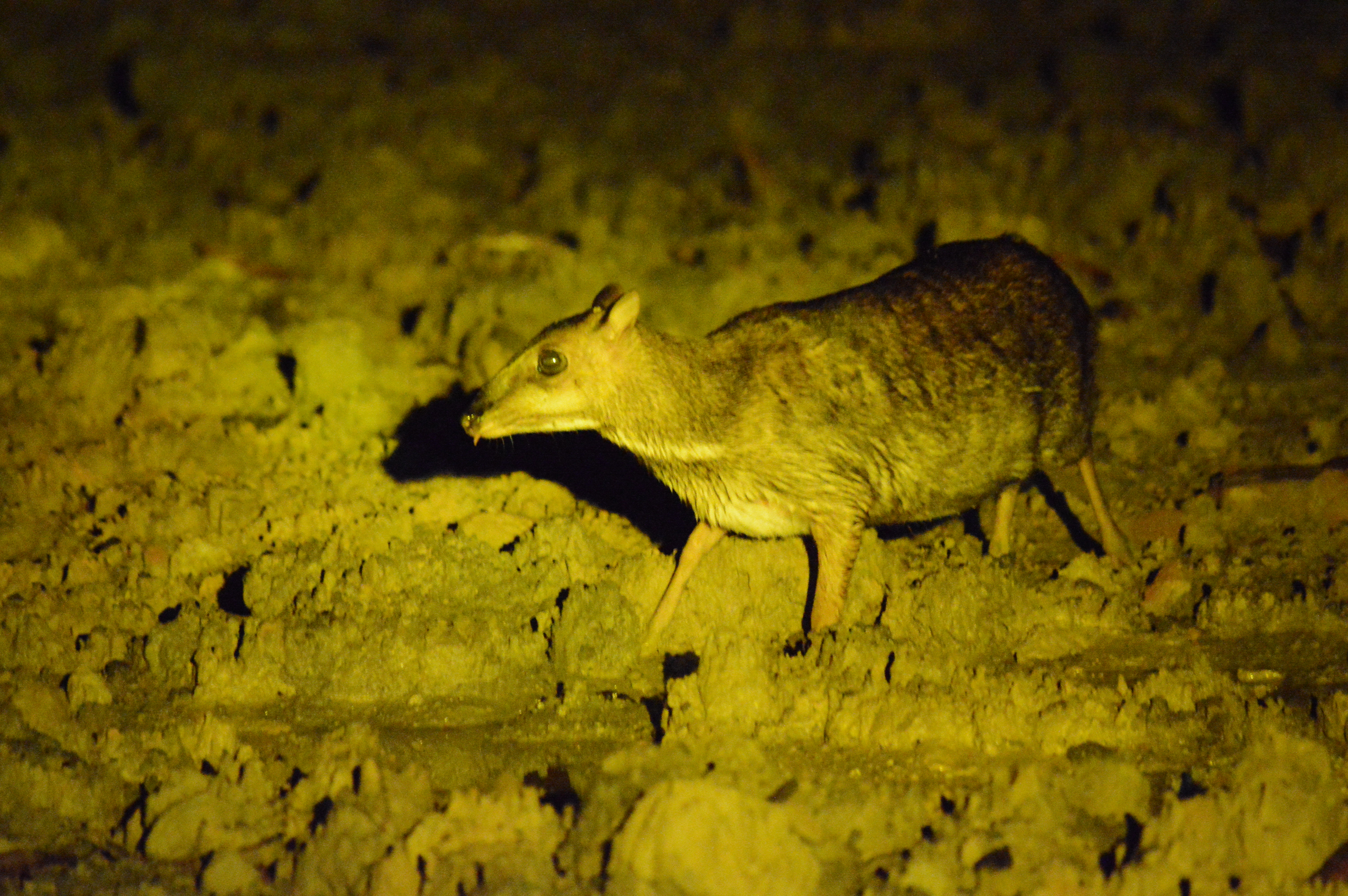
🐘 Daytime mammals like Pygmy Elephants, Wild Boars, Muntjacs, and Mouse Deer

Both drives offer amazing photo opportunities and are typically quieter and cooler than midday walks.

🌿 Jungle Walks – Get up close with the small and strange

Morning Walks: Focus on birdwatching, catching early risers in action

Afternoon & Night Walks: Great for finding insects, spiders, amphibians, and reptiles

Walking gives you the chance to slow down and notice the tiny details — from a giant stick insect pretending to be a twig, to a colorful tree frog nestled in a leaf.

Pro Tip: Bring a headlamp, a zoom lens, and most importantly — a sense of curiosity. Nature always has something unexpected waiting.
FAQ 6: What Should You Bring to Deramakot?

A trip into the heart of the rainforest isn’t just any day out — it’s a real adventure. To make the most of your wildlife experience, here’s a quick packing guide:

🧭 Essentials for Day & Night Activities:

🧥 Rain jacket – Showers can come anytime in the rainforest

🔦 Headlamp – A must for night walks and around the lodge after dark

💧 Refillable water bottle – Stay hydrated, especially during walks

🔭 Binoculars – Essential for birdwatching and spotting animals in the canopy

📷 Camera – With zoom or macro lens, depending on your interests

🦟 Insect repellent – The jungle is beautiful… but the bugs can bite

🎒 Daypack – For carrying your gear comfortably during activities

👕 Recommended Clothing:

🌿 Earth-toned long pants – Helps you blend into the environment and protects from insects

👕 Short-sleeve t-shirt – Lightweight and breathable

👟 Hiking shoes or boots – Good grip is important on wet or uneven terrain

Bonus tip: A small towel, snacks, and a power bank can also come in handy.

Final FAQ, How do i get there? How to book the trip? What is the program looks like? Price?

You can contact us via email at lostborneojungletrekking@gmail.com or chat us on Facebook or Instagram or WhatsApp at +6 013 877 6671 or visit our website

If you love to see more of my jungle and wildlife pictures follow/like our fb and iG.

more about Deramakot in foreign language click here; https://www.wanderlustig.nl/azie/maleisie/borneo/deramakot-forest-reserve/

What are you waiting for? Pack your stuff and get yourself a flight!

See you at Deramakot (happy face emoji)
Experience the Untouched Beauty of Danum Valley, Borneo

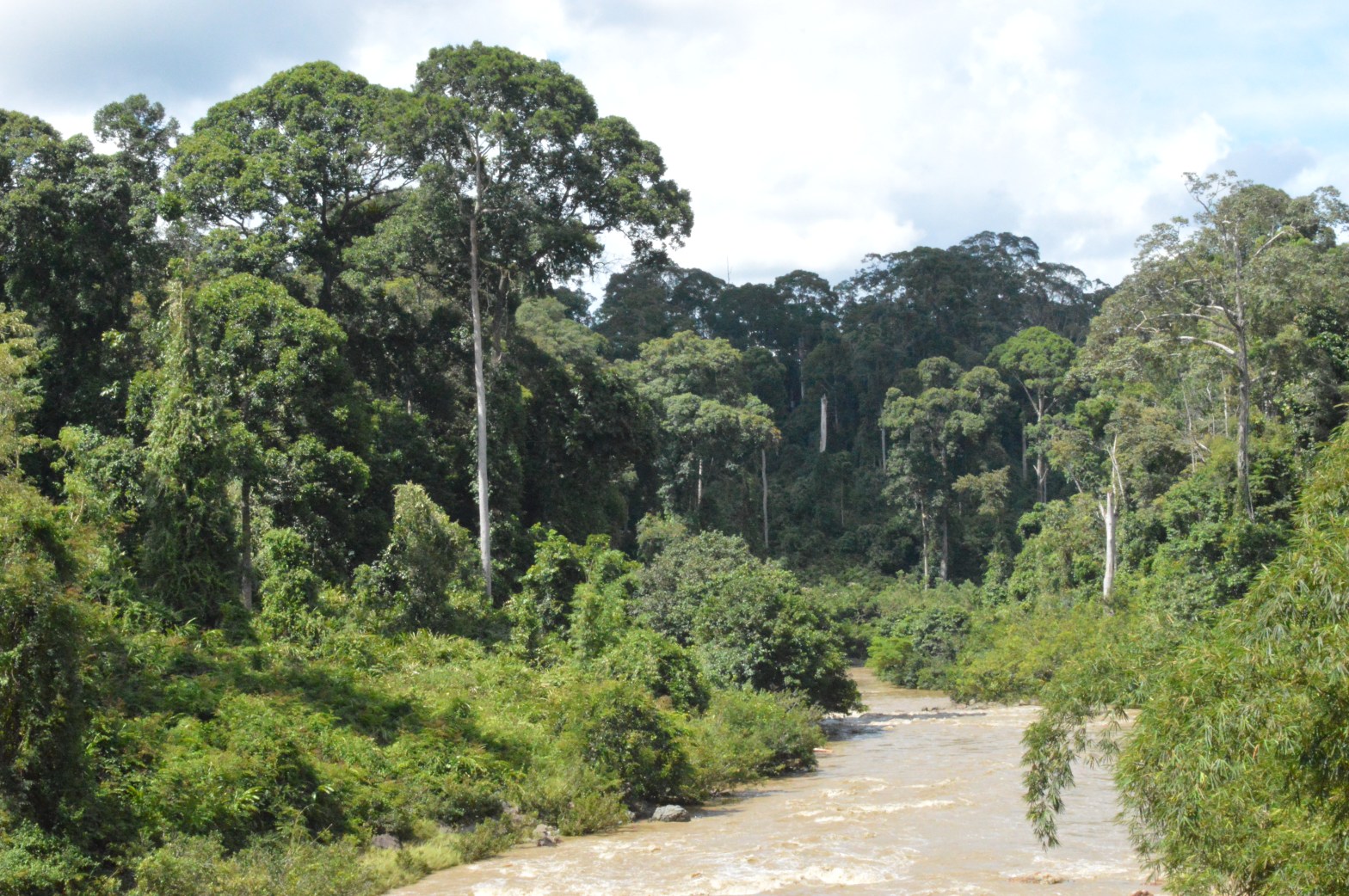
There are very few places left on earth where nature feels completely untouched, and Danum Valley in Sabah, Malaysian Borneo, is one of them. Tucked deep within 438 square kilometers of pristine lowland rainforest, this conservation area is often described as the “crown jewel” of Borneo’s jungles—and stepping into it feels like stepping back in time, long before roads, noise, and cities existed.

Getting There

Nearest town is Lahad Datu, East coast of Sabah. Flights to Lahad Datu are available from Kota Kinabalu and Sandakan.

Reaching Danum Valley is already an adventure. The journey usually starts in Lahad Datu, a small town on Sabah’s east coast. From there, it’s a two-hour drive along bumpy dirt roads that cut through oil palm plantations before giving way to endless green. As the forest closes in, phone signal disappears, and with it, the rest of the world.

First Impressions

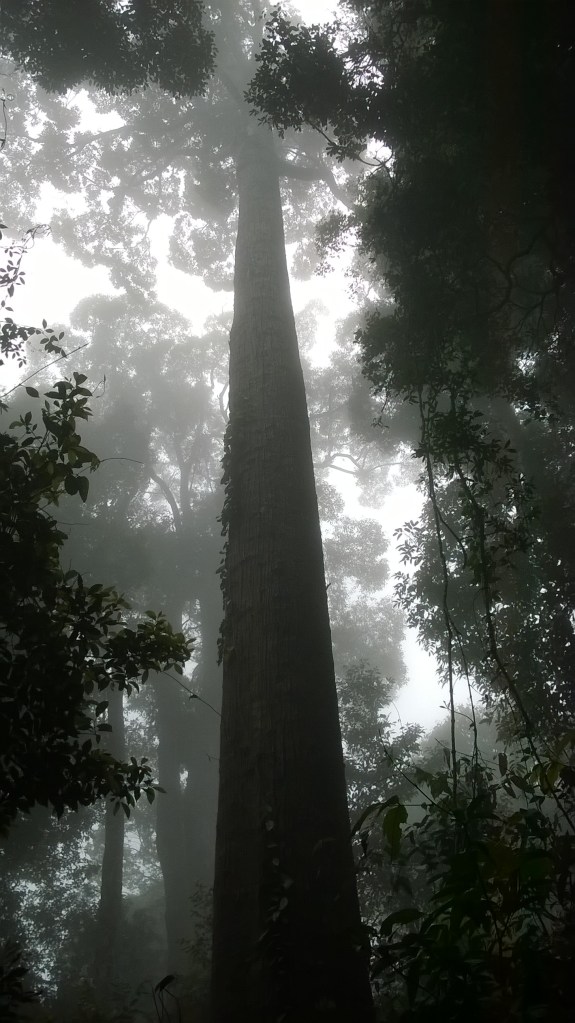
Arriving at the Danum Valley Field Centre—you are immediately engulfed by the sounds of the jungle. Cicadas buzz, gibbons call in the distance, and every breath feels fresher than the last. The canopy stretches high above, with trees towering more than 70 meters, their crowns alive with hornbills, eagles, and mischievous monkeys.

Wildlife Encounters

Danum Valley is legendary for wildlife. It’s one of the best places to spot the elusive orangutan in the wild. On my first trek, just minutes into the trail, I caught sight of a mother and baby orangutan swinging through the branches—an unforgettable encounter. Later hikes revealed red leaf monkeys, flying squirrels gliding at dusk, and if you’re lucky, you might even glimpse a clouded leopard.

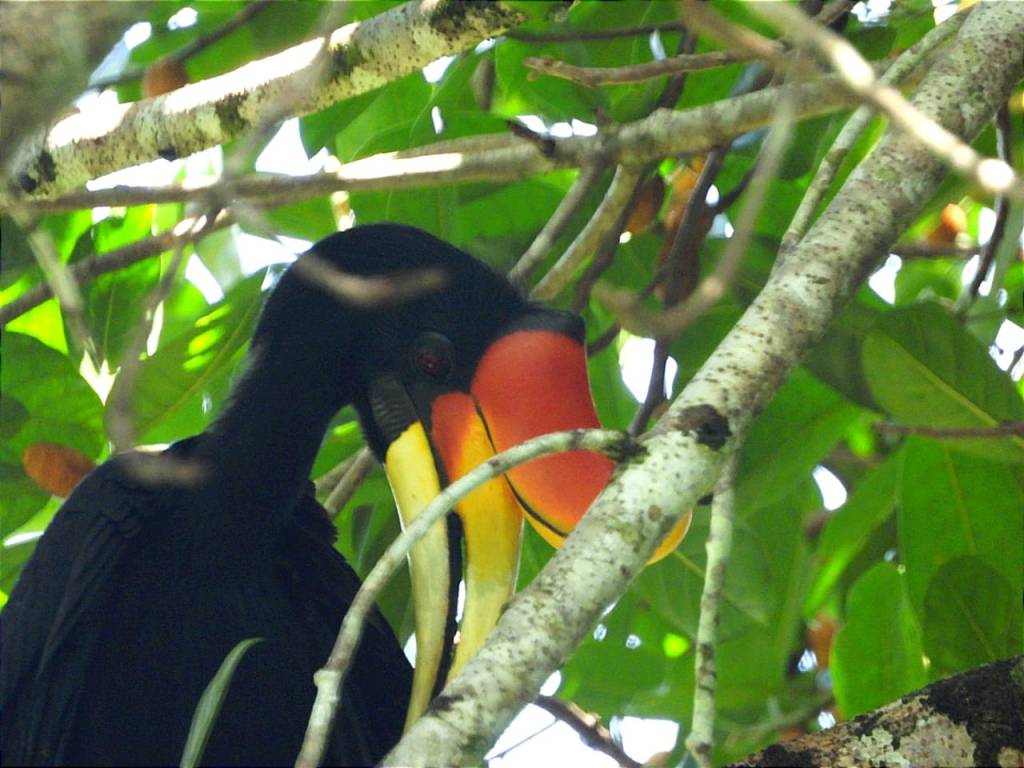
Birdwatchers, too, are in paradise here. The Bornean bristlehead, giant pitta, and rhinoceros hornbill are just a few of the feathered residents that make every trail a surprise.

Activities and Trails

Guided jungle treks are the heart of any Danum Valley visit. Trails range from gentle walks to more challenging climbs, weaving past ancient burial sites, waterfalls, and suspension bridges that make you feel like Indiana Jones. At night, the forest transforms. A guided night drive reveals civets, slow lorises, and owls with glowing eyes in the torchlight.

One of the highlights is driving up to Bukit Atur. From here, the view is magical—mist rolling through the trees at dawn, or fiery sunsets painting the horizon.

Why Danum Valley Feels Different

Unlike many wildlife destinations, Danum Valley is not a zoo, nor is it heavily developed for tourism. Everything here belongs to the forest, and you are simply a guest. The sense of raw wilderness is overwhelming—you feel small, humbled, and yet deeply connected to the world around you.

Final Thoughts

Leaving Danum Valley is bittersweet. The outside world feels louder, faster, and less alive after being immersed in such purity. But the memories stay—of orangutans in the treetops, of mornings wrapped in mist, and of nights filled with a chorus of unseen creatures.

For those who dream of experiencing the wild as it truly is, Danum Valley isn’t just a destination. It’s a reminder of what our planet once was, and why it’s worth protecting.

Mount Kinabalu Adventure: Things I Wish I Knew

“Why Did I Climb Mount Kinabalu? I Forgot, Halfway Up.”

By Rajiz, reluctant adventurer and snack enthusiast.

I am sharing my story climbing Mount Kinabalu for the first time in 2000. Hopefully it helps with your preparation physically and mentally. Let me start by saying I’m not a mountaineer. I’m more of a “mount-a-near-the-buffet” type. But somehow, after one too many travel documentaries and a dangerous combination of peer pressure. I found myself inside Kinabalu Park’s office paying for a two-day climb up Mount Kinabalu with my best friends smiling sitting next to me, I know that smile. Borneo’s biggest rock and Southeast Asia’s way of saying, “Are you sure about those legs?”

Day 1: Hope, Sweat, and Nasi Lemak

We began our journey at Timpohon Gate, which sounds cute but is actually the starting point of a slow, upward negotiation between your legs and gravity. The first hour? Easy. I was chatting, taking photos, feeling like a trekking influencer.

Then the stairs came. So. Many. Stairs. At some point, I think I climbed a stair that was emotionally abusive — it judged me. I’m convinced it whispered, “You didn’t train for this, did you?”

Lunch was a glorious moment. Never has a packed rice dish and a warm cup of Milo felt more like a Michelin-starred experience. Spirits were lifted — briefly.

Laban Rata: The Mountain Hotel of Hallucinations

We reached Laban Rata Base Camp (3,272 meters) after what felt like 40 years of wandering the wilderness. Laban Rata Resthouse was our home for the night, a cozy little place where everyone walks like a penguin because their thighs no longer function.
The view? Incredible. Sunset above the clouds made me forget the trauma of the trail… for about 30 minutes. Then I remembered we had to wake up at 2 a.m. to climb more. Who planned this? (Spoiler: me. Past Me is the worst.)
Day 2: Up at 2, Regret by 3, Summit by Sunrise

At 2 a.m., I was awake, geared up, and seriously questioning my life choices. With headlamps on and frost on our noses, we began the final ascent.

This part of the hike? Dark, cold, and steep enough to make you wonder if this is actually just a metaphor for your life falling apart. There were ropes to pull yourself up — which I only half-trusted, because they looked like they were held together by hope and Malaysian engineering.

But then, as we reached Low’s Peak, the sun began to rise. And just like that, everything made sense.

Mountains make you work for their magic — and this one delivered. Standing at 4,095 meters, watching the world light up below, I felt tiny, humbled… and also really in need of a shower.

Pro Tips (From a Survivor):

Do leg day. You’ll thank me later.

Snacks = life. Bring trail mix, chocolate, or bribe-worthy goodies.

Layer like an onion. It’s warm at the bottom and freezing at the top.

Respect the guides. They could carry you down on one shoulder if needed — and they might have to.

Book early. Only a limited number of masochists—I mean, climbers—are allowed daily.

Final Thoughts

Climbing Mount Kinabalu is like dating: hard work, questionable decisions, but often worth it. I laughed, I cried, I swore at rocks — and I’d still do it again. Maybe.

Well, after a solid nap and some deep tissue therapy.

I will update the photos once I find my memory stick of Sony DSC D700 cyber shot 1.5mp. Hang tight.

Explore Mount Trusmadi: Borneo’s Hidden Gem

Climbing Mount Trusmadi: Borneo’s Best-Kept Secret

By Rajiz

If you’re reading this, you’re probably looking for something more than the usual tourist trail. That was me a few years ago—eager for a real jungle trek, far from crowds. That’s how I found myself on the steep, muddy slopes of Mount Trusmadi, Sabah’s second-highest mountain, and possibly its most underrated.

The second highest mountain in Malaysia

Why Trusmadi?

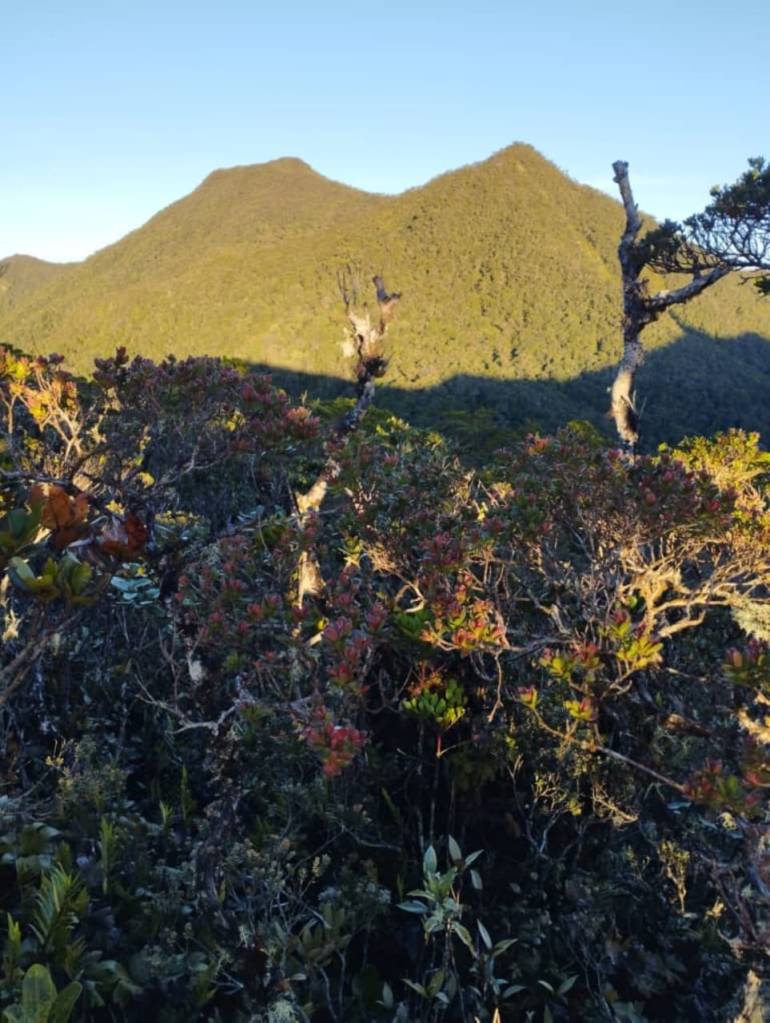
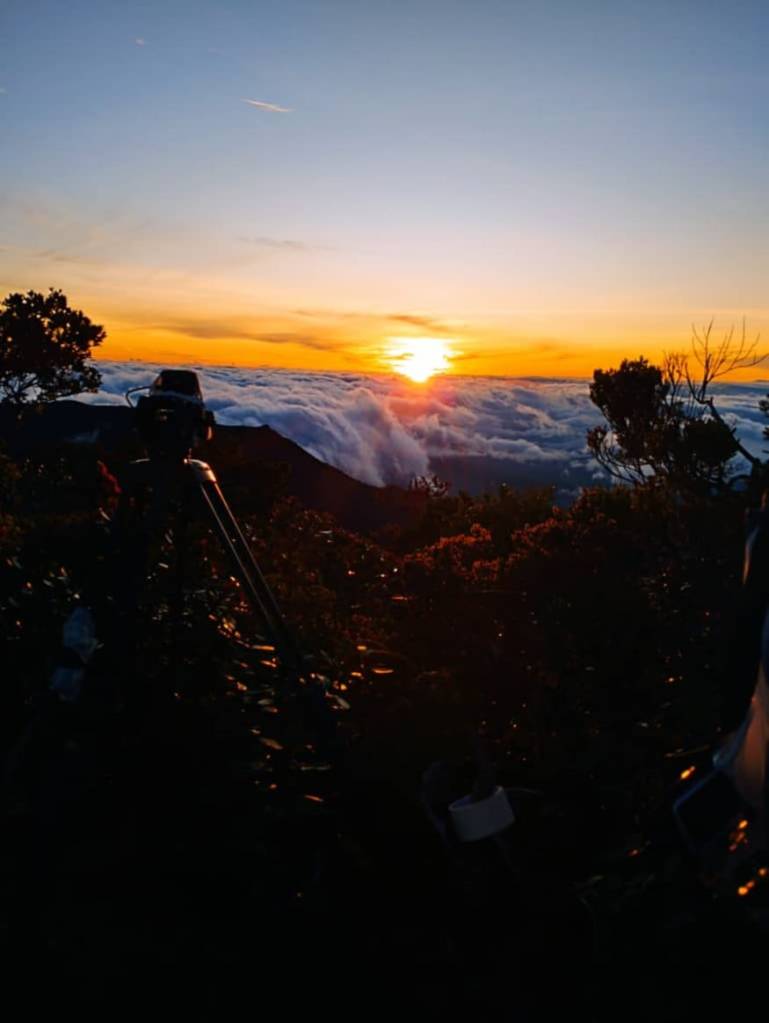
While Mount Kinabalu is iconic and easier to access, Trusmadi (2,642m) offers something different: solitude, challenge, and raw nature. There are no cable cars, no crowds, no fancy lodges—just thick rainforest, muddy and wilder trail, and an experience that feels more like true jungle trekking. The views from the summit, especially during sunrise, are nothing short of spectacular— summit sunrise you’ll never forget. You will see Mount Kinabalu in a distance, often shrouded in clouds, with a vast green carpet of jungle rolling beneath you.

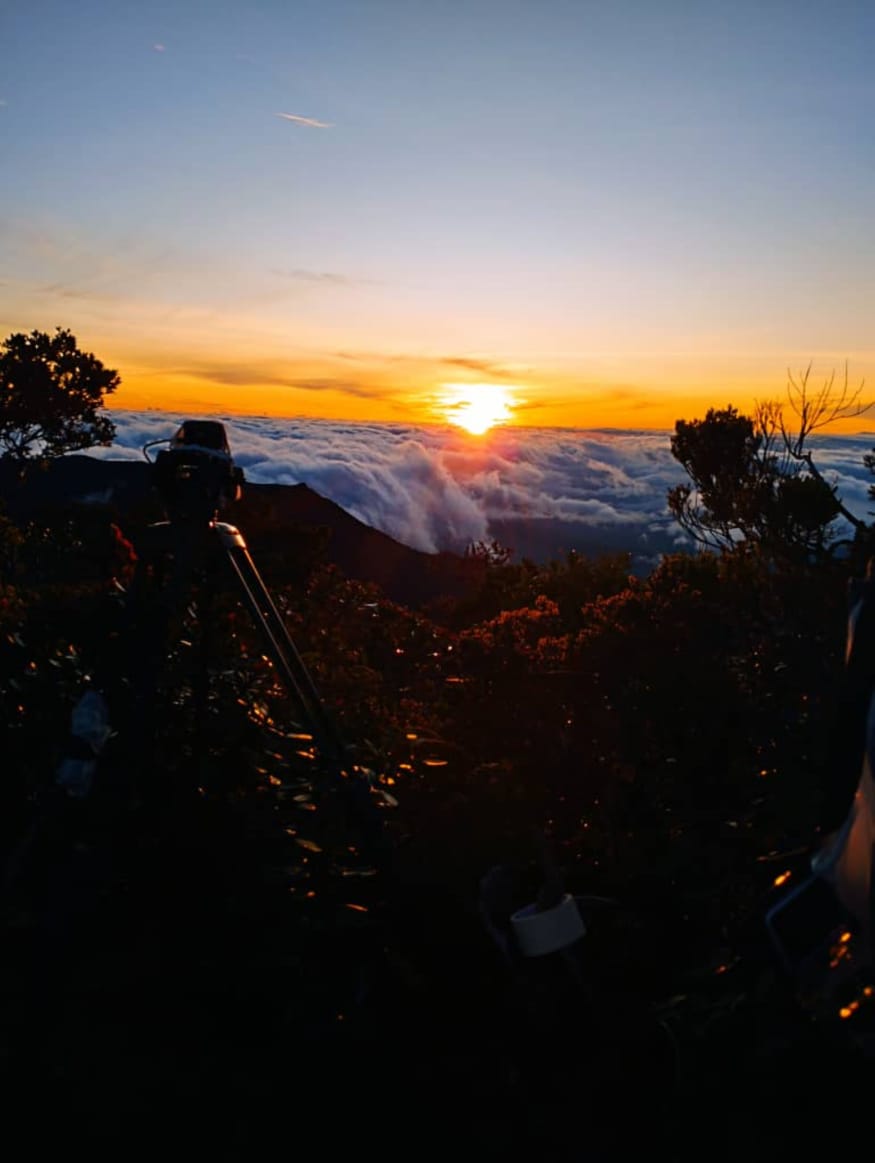
Sunrise at Mount Trusmadi

Trail Highlights:

Rare Nepenthes pitcher plants clinging to mossy trees

Wild bird calls echoing through the forest

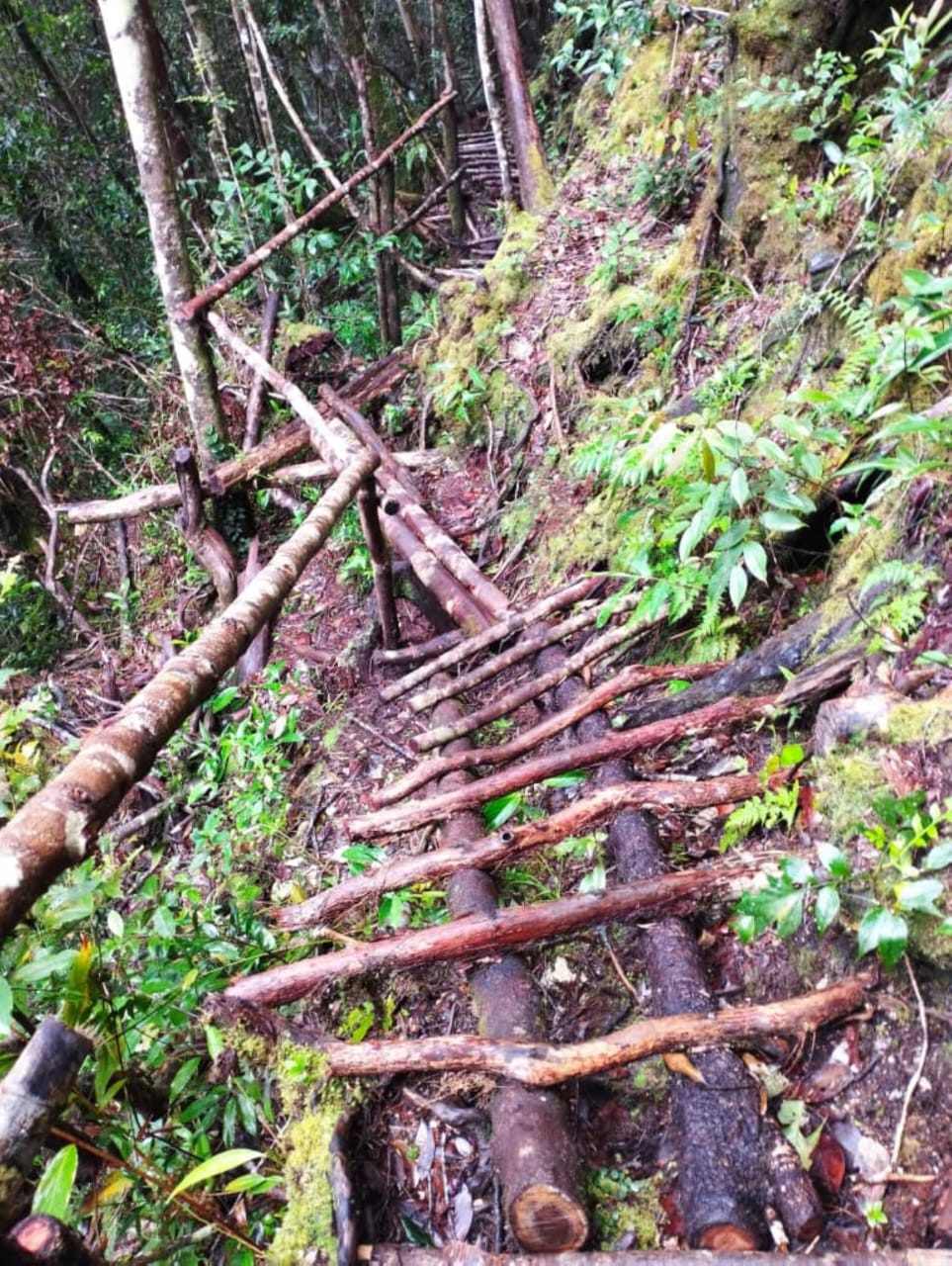
Wooden ladders and ropes for the final summit push

What to Pack?

Sturdy waterproof hiking boots

Warm layers (nights can drop to 10°C or lower)

Rain jacket and poncho

Headlamp (summit push is in the dark)

Lightweight sleeping bag

Snacks and energy bars

Trekking poles (very helpful on slippery terrain)

Final Thoughts

Trusmadi isn’t just a climb—it’s a test of grit, patience, and love for nature. I came down muddy, tired, but completely fulfilled. Unlike Kinabalu, this mountain feels earned. The quiet summit, the surreal view of Kinabalu in the distance, and the untouched rainforest—it all makes Trusmadi a true adventurer’s mountain.

Discover Long Pa Sia: A Hidden Jungle Paradise

My Long Pa Sia Jungle Expedition

By: Rajiz

Tucked away in the remote highlands of Sabah, Malaysia, near the border with Kalimantan, lies Long Pa Sia—a village untouched by time, rich in biodiversity, and cradled by the Crocker Range. My expedition to this hidden gem was nothing short of transformative.

The Journey Begins

Reaching Long Pa Sia isn’t easy—and that’s part of its charm. After a long 4WD ride through winding mountain roads and dense rainforest, we arrived at the village, greeted by the warm smiles of the Lundayeh people. With no cell service and only limited electricity, I knew I was stepping into a different world.

Journey to Long Pa Sia

Trekking Through Ancient Forests

Our trek began early, boots laced and spirits high. The trail snaked through mossy forests, crystal-clear streams, and ancient trees. The air was thick with humidity and the songs of hornbills and gibbons. We stopped at cascading waterfalls to cool off and listened as our guide shared stories about the medicinal plants and folklore tied to the land.

We hiked to the border stone marking Malaysia and Indonesia—an eerie reminder of how nature transcends man-made boundaries. The panoramic views from the ridges were surreal: rolling mist, endless canopies, and not a single sign of civilisation.

Cultural Immersion

Back in the village, we spent the evening with the locals, learning to weave rattan, listening to traditional Lundayeh songs, and sharing a hearty meal of wild fern, rice, and jungle-harvested meat. The hospitality was humbling.

Why Long Pa Sia?

Few places in the world still feel this raw, wild, and sacred. Whether you’re a nature lover, a trekking enthusiast, or a cultural explorer, Long Pa Sia offers something rare: a chance to disconnect and rediscover a more grounded way of being.

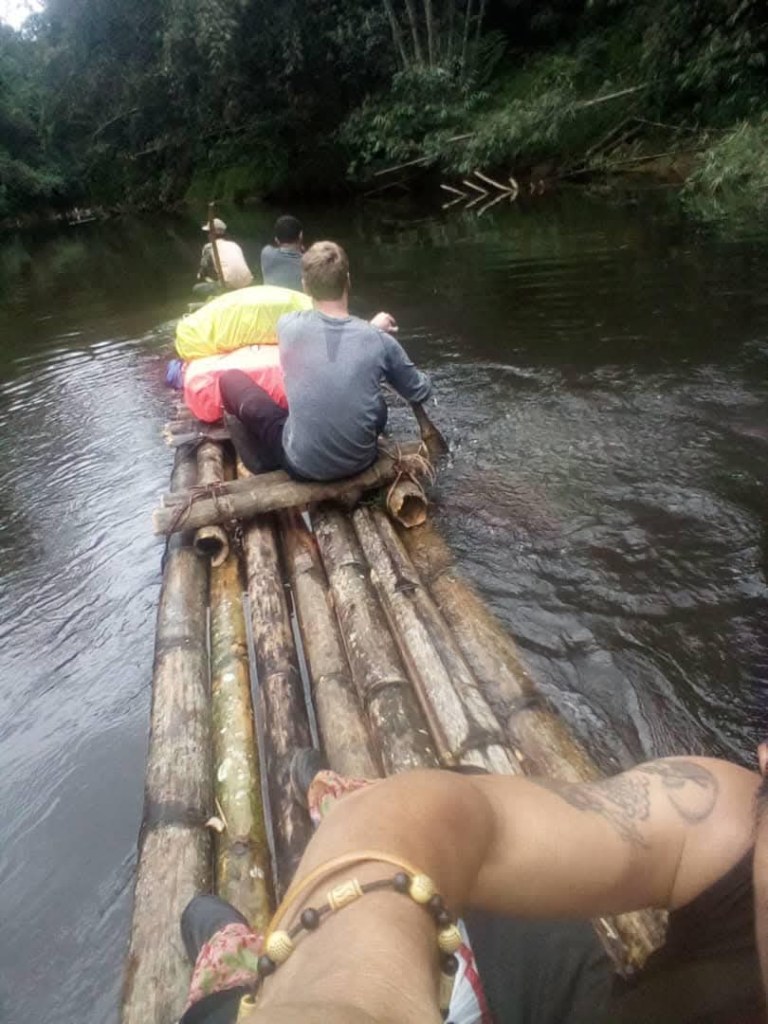
Paddling through the river

Tips for Future Trekkers:

Pack light but be prepared for rain and leeches.

Respect the local customs and bring eco-friendly supplies.

Discover Birding in Borneo: A Unique Adventure

Birding in Borneo: A Journey into the Heart of the Wild

By Rajiz

The first time I heard the haunting whoop of a gibbon echo through the Bornean rainforest, I froze mid-step, binoculars still in hand, heart pounding—not from fear, but awe. The air was thick with mist, the canopy overhead alive with movement and mystery. Somewhere above me, a Rhinoceros Hornbill flapped its prehistoric wings through the trees, its profile momentarily etched against the jungle light.

Welcome to Borneo—a living Eden where birding becomes something far more profound than a hobby.

Rainforest jungle
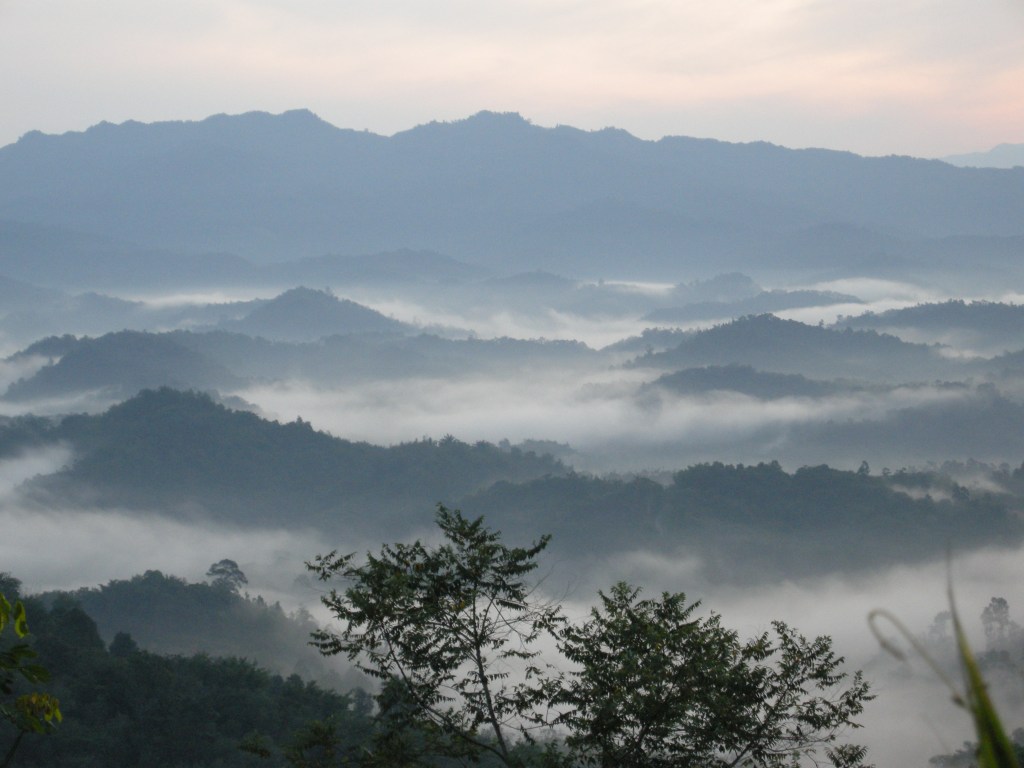
The misty morning view of the jungle

Into the Green Cathedral

Borneo is the kind of place where the word “lush” suddenly feels inadequate. The forests are ancient, layered, and loud. Every rustle, chirp, and distant hoot sends a jolt of curiosity through your spine. For birders, it’s the ultimate pilgrimage site: over 650 species, including more than 50 endemics. Some, like the Bornean Bristle-head, are almost mythical—so unique, they belong to their own bird family.

I spent most of my time chasing feathers across Sabah, the Malaysian state in northern Borneo. My journey took me from the cloud forests of Kinabalu Park to the primeval depths of the Danum Valley, and finally to the more remote Deramakot Forest Reserve—each a jewel in the crown of Southeast Asian birding.

Field guide book

Kinabalu: Birds on the Roof of Borneo

At dawn in Kinabalu Park, the sky turns soft silver as the mountain breathes clouds into the sky. Here, I spotted my first endemic: the Flavescent Bulbul, soon followed by a Whitehead’s Broadbill glowing neon green in the dim understory. The trails were steep and often slick, but every step brought the promise of a lifer.

It’s not just about the birds, though. There’s something almost spiritual about walking beneath trees that have stood for centuries, knowing they shelter creatures found nowhere else on Earth.

Danum Valley: Where the Wild Still Rules

If Kinabalu was magical, Danum Valley was mythical. No paved roads, no phone signal—just raw, dense wilderness. One morning, while scanning the canopy from a 26-meter-high tower, a pair of Great Argus pheasants began their otherworldly call. By night, I joined a local guide to search for owls—scoring a sighting of the Barred Eagle-Owl under a starlit sky.

Here, the birding felt like discovery. Each hour in Danum offered rare encounters, from Bornean Spider-hunters to the show-stopping Black-and-crimson Pitta.

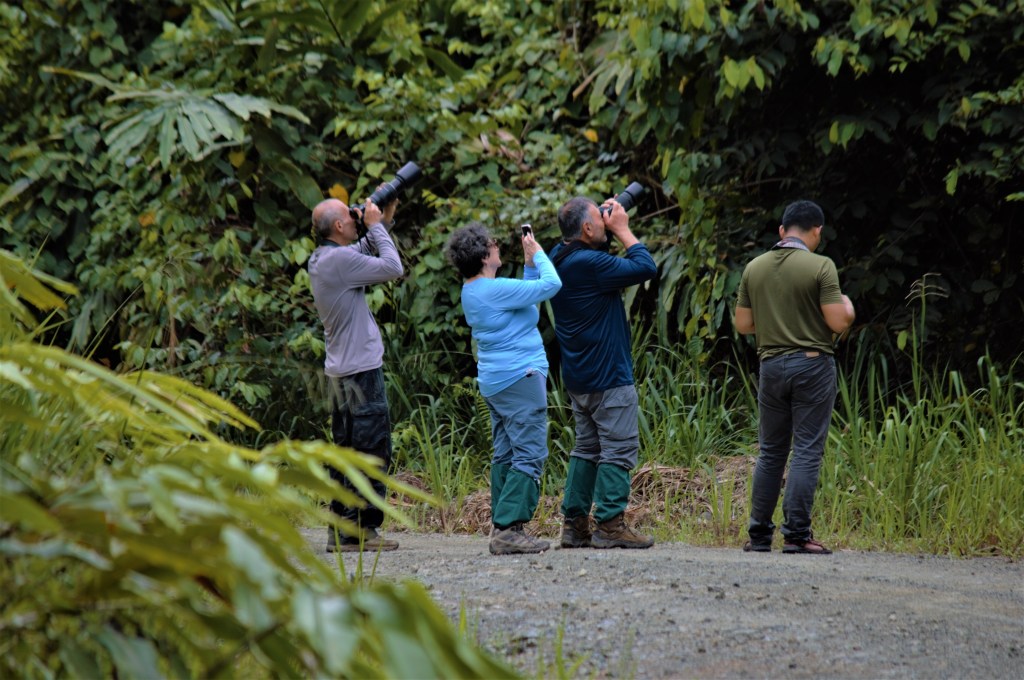
Taking picture of bird can be challenging

Deramakot: Off the Beaten Track

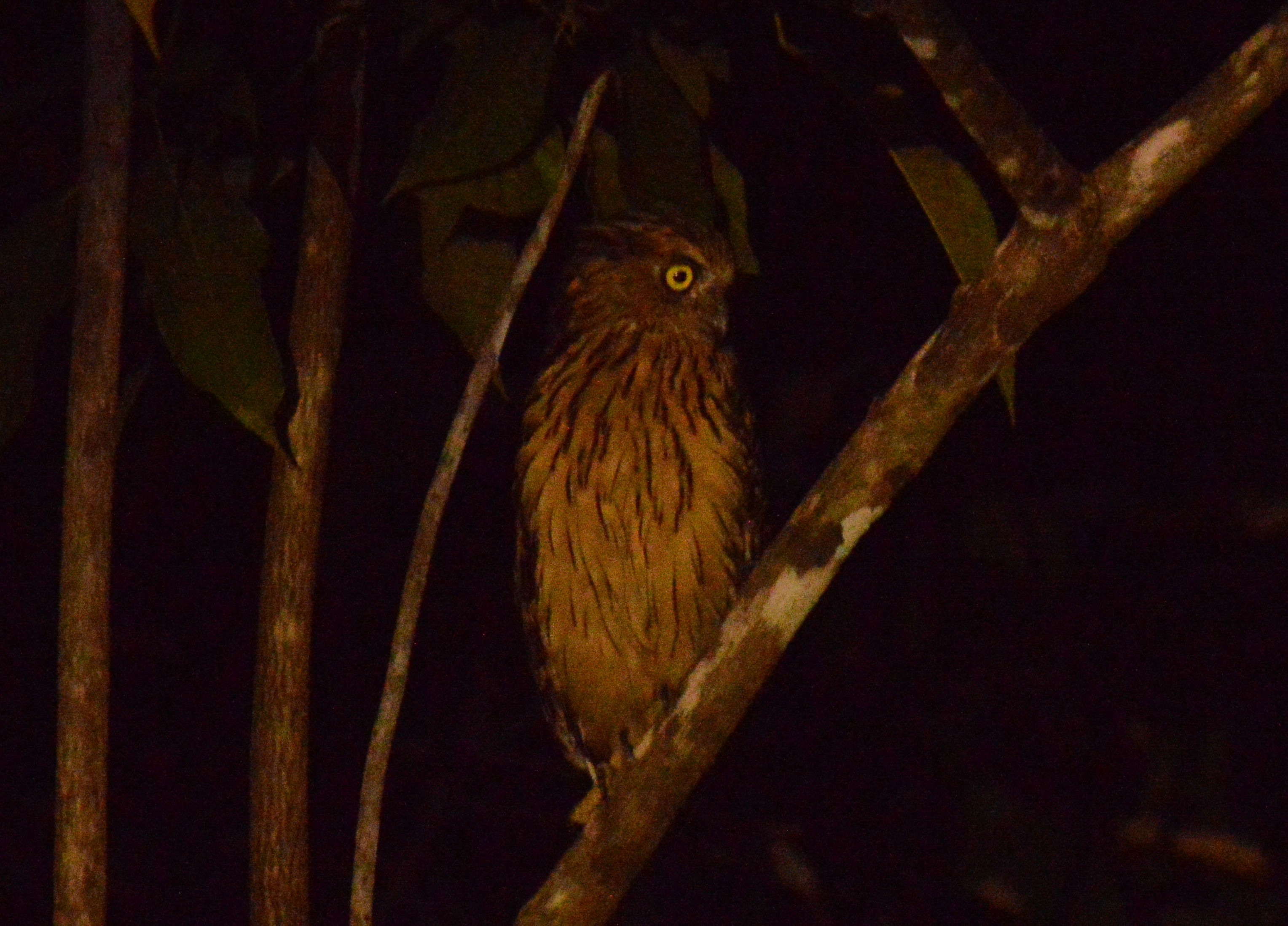
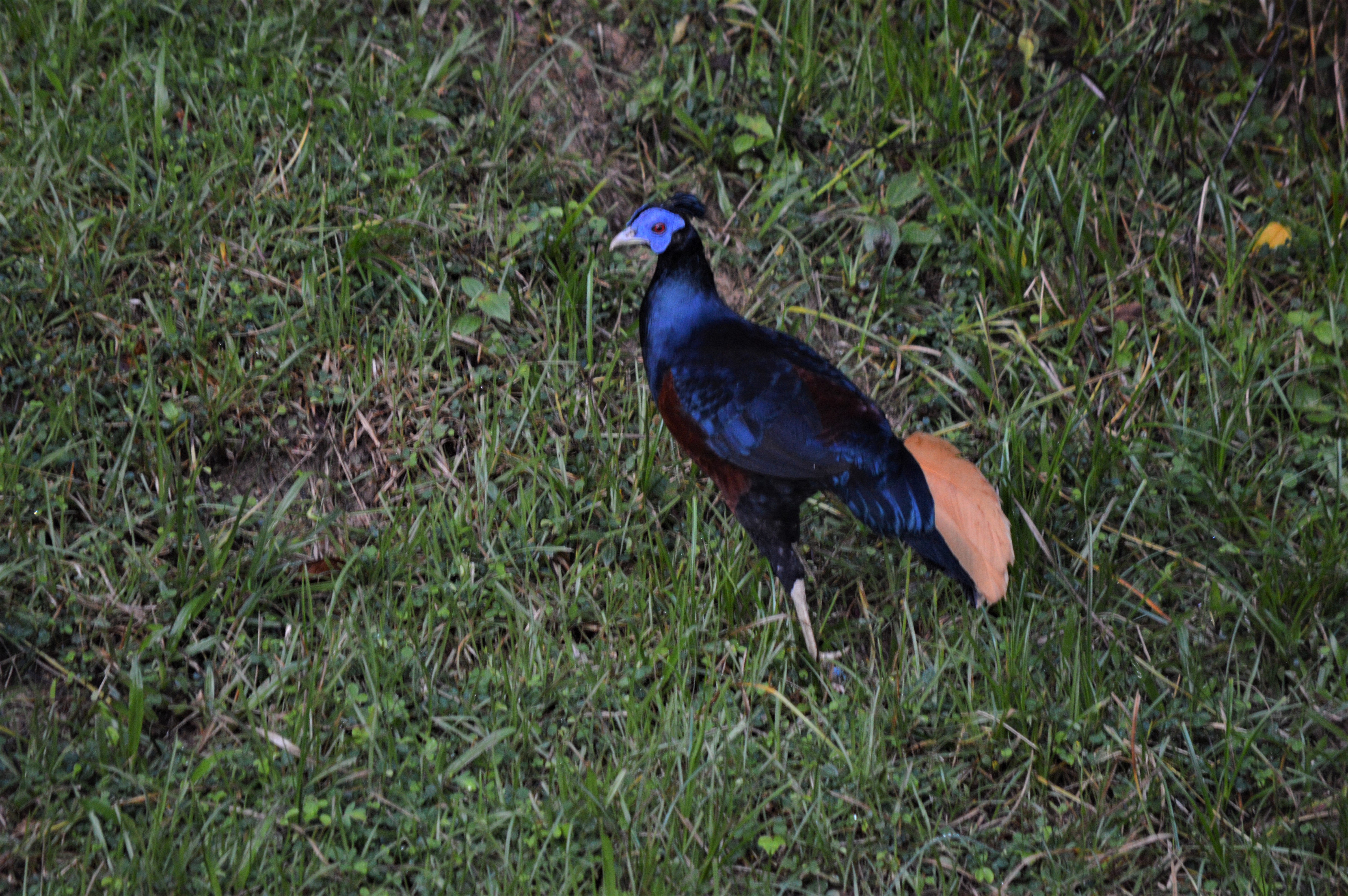
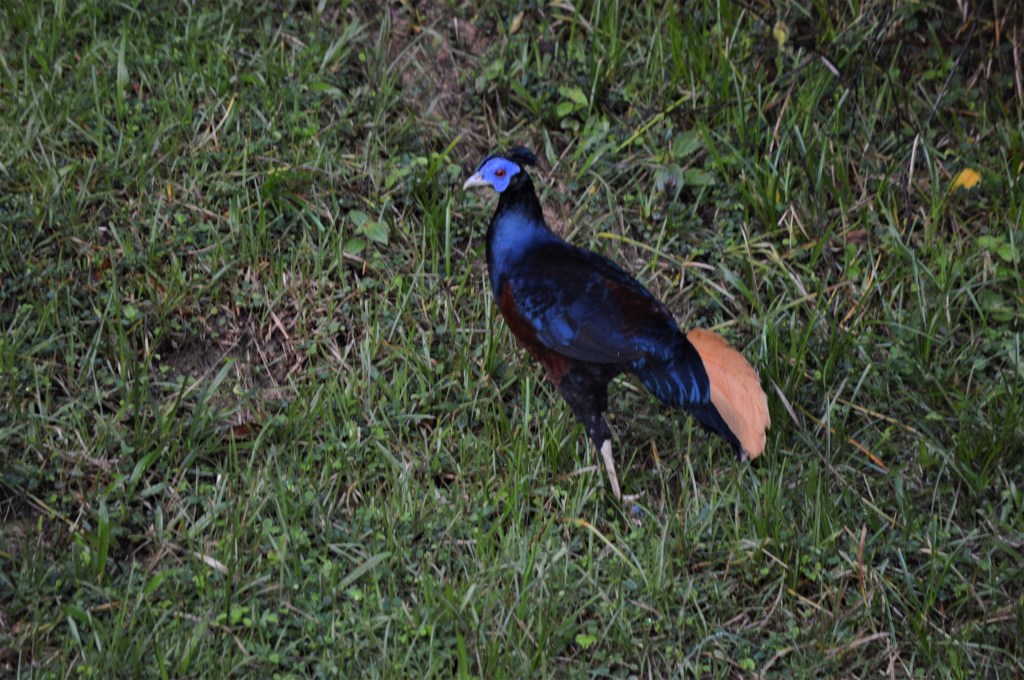
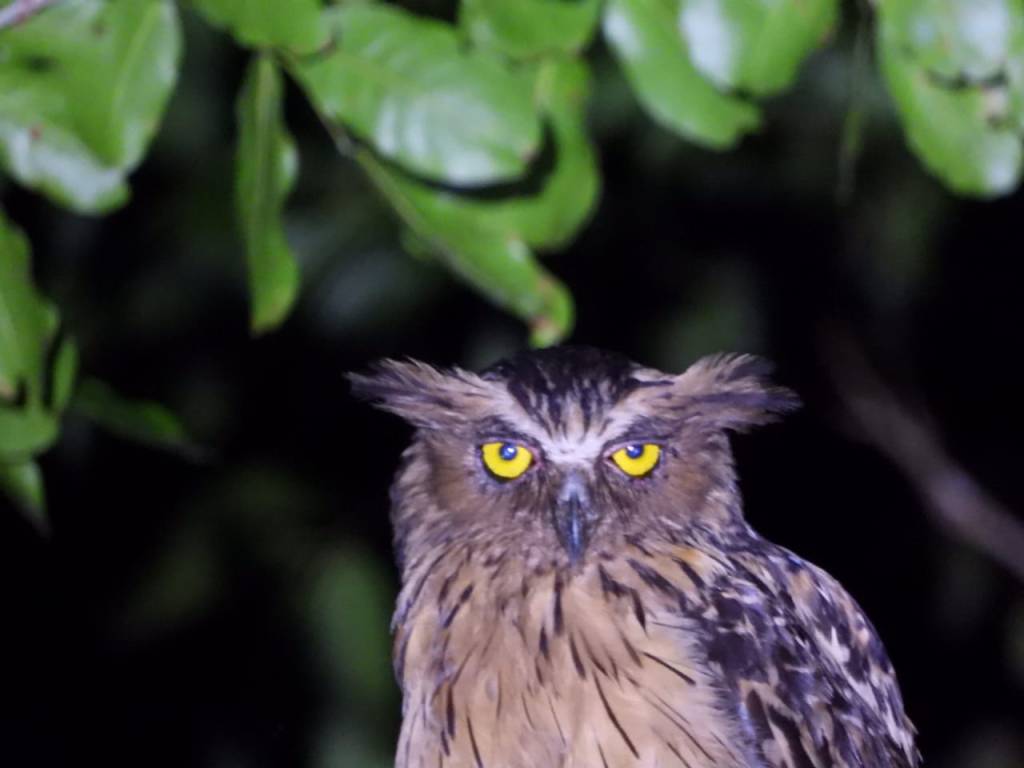
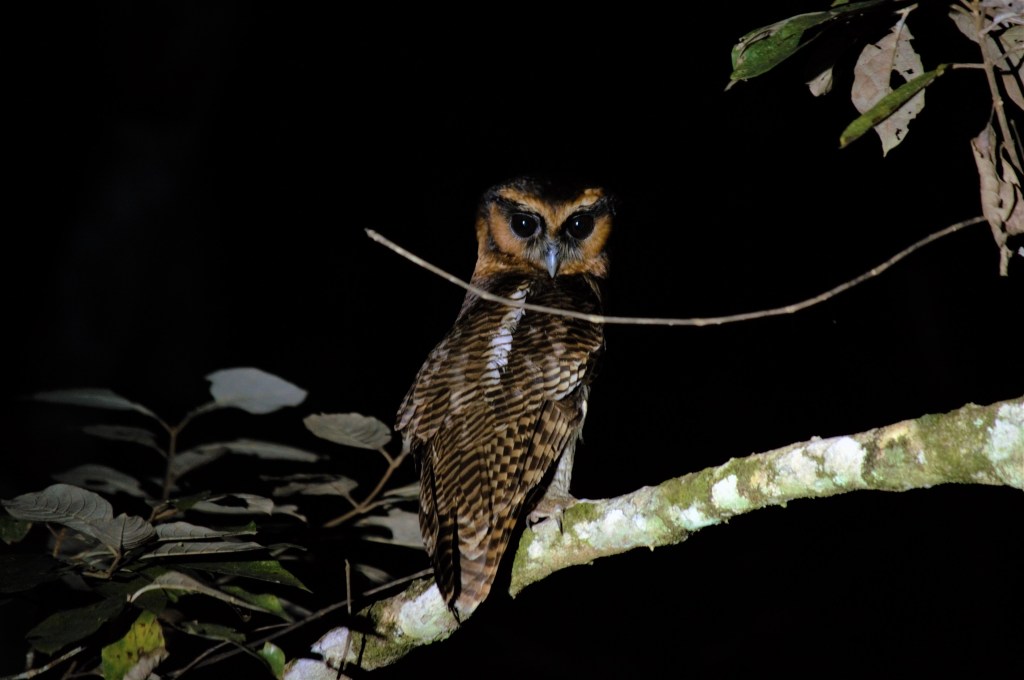
Deramakot isn’t on every birder’s itinerary—but it should be. It’s a working forest, sustainably logged, and teeming with life. At night, under the beam of a spotlight, we watched a Brown Wood Owl glide silently across a clearing. One late morning, while walking a quiet trail flanked by towering dipterocarps, I caught a flash of deep blue and copper striding confidently through the undergrowth: a Bornean Crested Fireback. Its iridescent plumage shimmered as it moved, head crowned with its namesake crest, tail feathers fanned in understated glory. It paused, looked back at me as if sizing me up, then melted into the forest’s shadow.

Bornean Crested Fireback

Moments like that aren’t just sightings—they’re encounters. They stay with you

What makes this place special is the silence. No crowds, no noise—just the forest, doing what it has done for millennia.

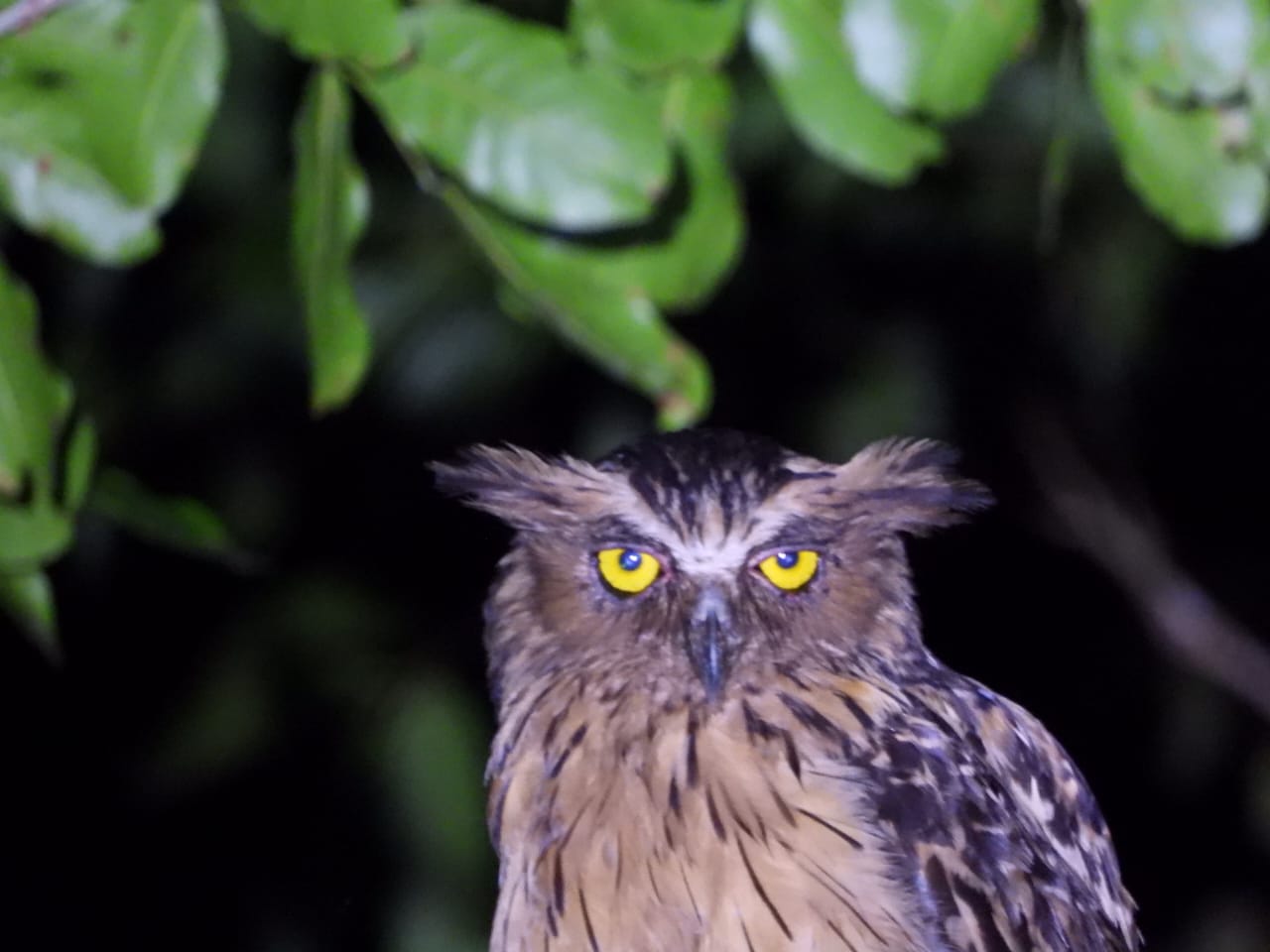
Brown Wood Owl

More Than a Checklist

Birding in Borneo changed the way you travel. You will learn patience, presence, and how to listen—not just with ears, but with the heart. You don’t just see birds here; you share their space, however briefly, in a world that’s increasingly rare.

Local guides were key to the journey. Their stories, fieldcraft, and deep respect for the land turned every trek into a lesson—not just in birding, but in coexistence.

Final Reflections

I leave this blog with renewed appreciation for Borneo’s ecological treasures and a deeper commitment to conservation education. Each guest departs with not just a list of lifers but, I hope, a sense of awe and responsibility to protect the natural world. In that sense, this journey has been more than a tour; it has been a shared mission. Borneo gets under your skin. Its birds, its people, its untamed beauty—they stay with you.

If you ever get the chance, pack your boots, your binoculars, and a wide-open heart. Borneo is waiting.

Explore Crocker Range: Home of Rafflesia and Nepenthes

By Rajiz

Yes you read it right! this trip brings you to the Rafflesia forest Reserve to see the world’s largest flower Rafflesia and the carnivorous Nepenthes. Good news.. it is located at the Crocker Range National Park reserve approximately 60km east from Kota Kinabalu city. This makes an ideal day trip for nature enthusiasts.

Let me walk you through the whole trip. Don’t worry it is just a 3 minutes reading short blog.

Covering around 356 hectares of pristine jungle, this reserve was established in 1984 under the Sabah Forestry Department to protect the flower for research and educational purposes. The journey to the Rafflesia Forest Reserve took less than two (2) hours through the beautiful mountain pass.

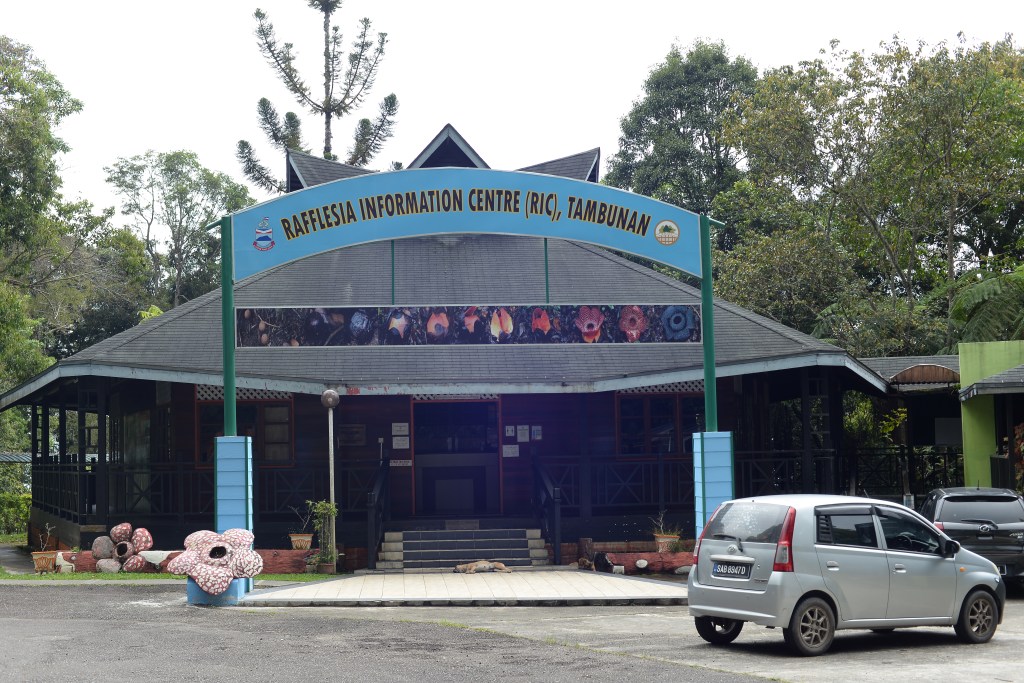
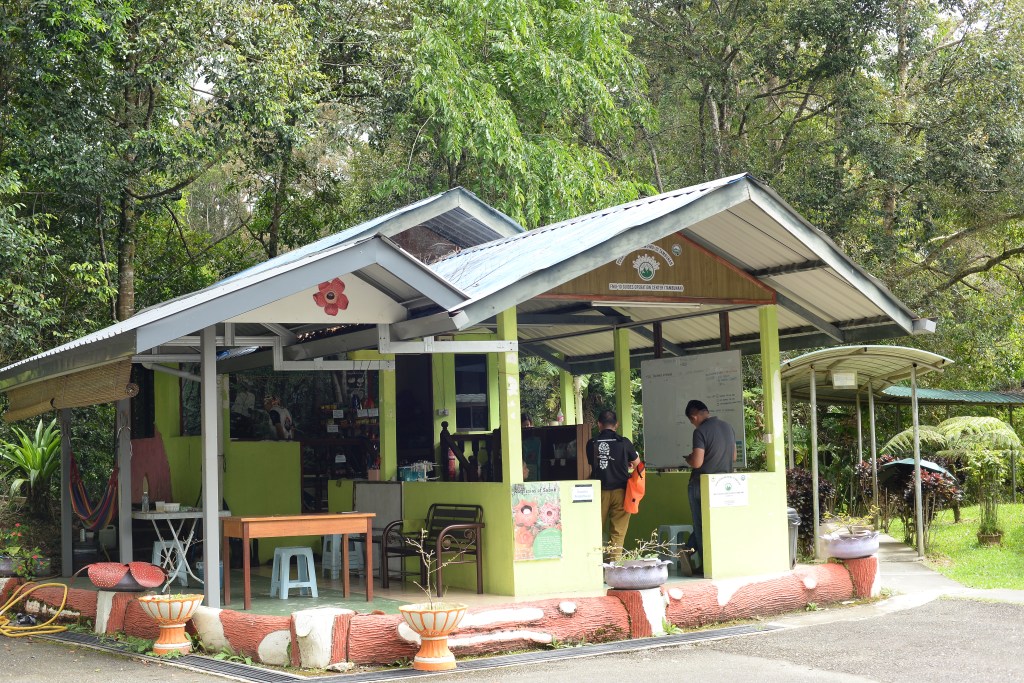
Upon arrival at the Rafflesia information Centre, you are required to register your name and passport nu. A safety briefing will be conducted by the ranger in charge before venturing into the beautiful temprate jungle where the flower is blooming. The trekking distance depends on the blooming location and it sometimes took around an hour just to get there and another hour back to the starting point.

The starting point is located at 1,200m a.s.l with a nice high humidity 20 degree celcius makes the forest floor always wet. A hiking shoes with good grip is recommended to tackle the undulating and slippery forest floor, at the information counter you can also rent the rubber shoes with stud. Due to the unpredictable weather at the montane forest, a rain jacket is highly recommended to bring.

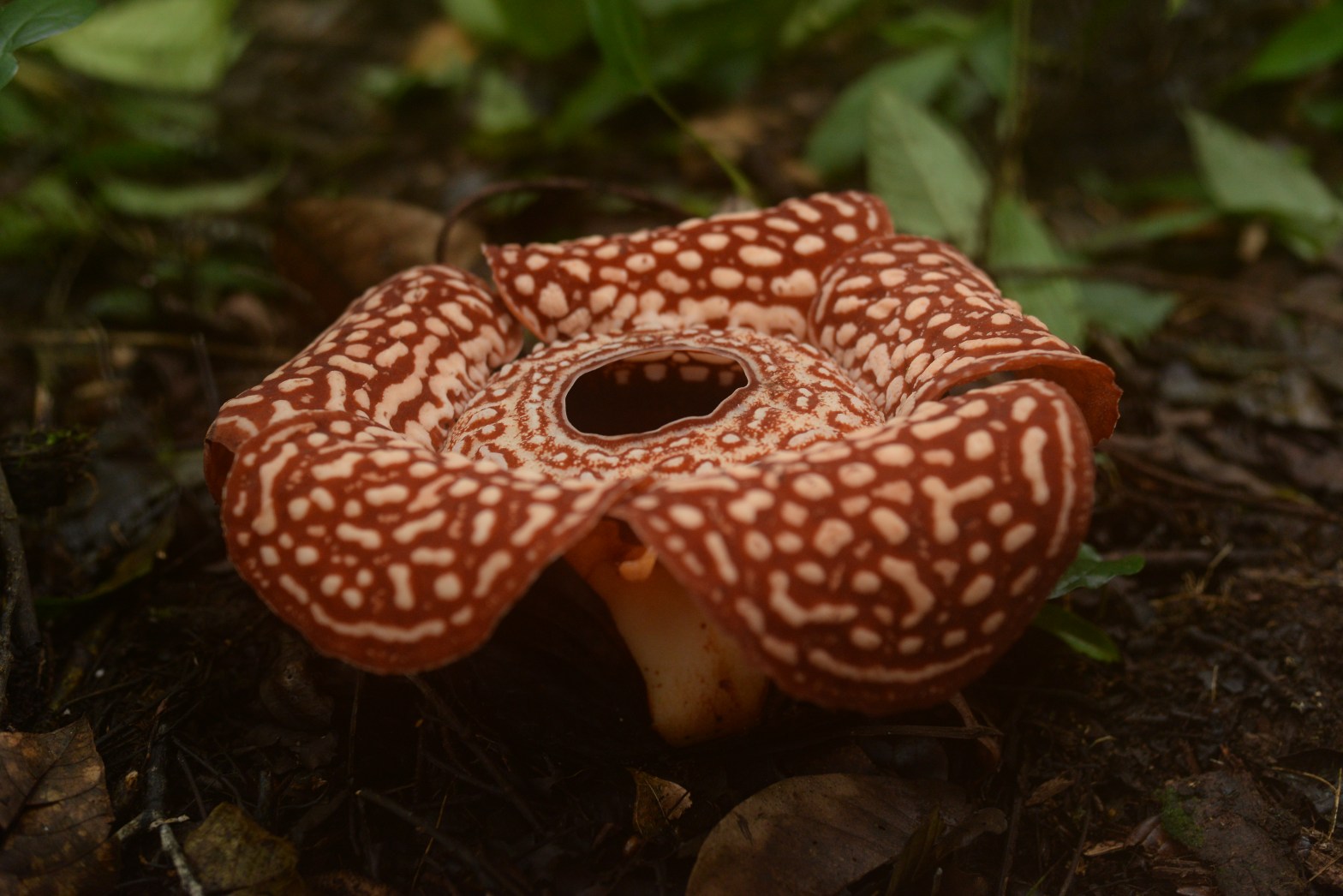
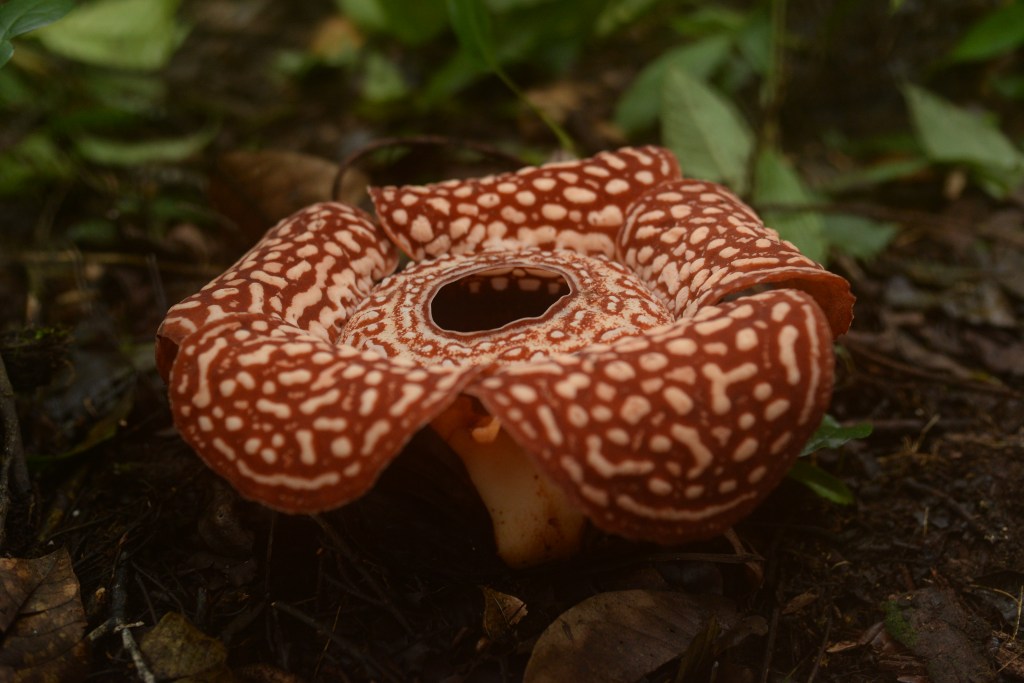
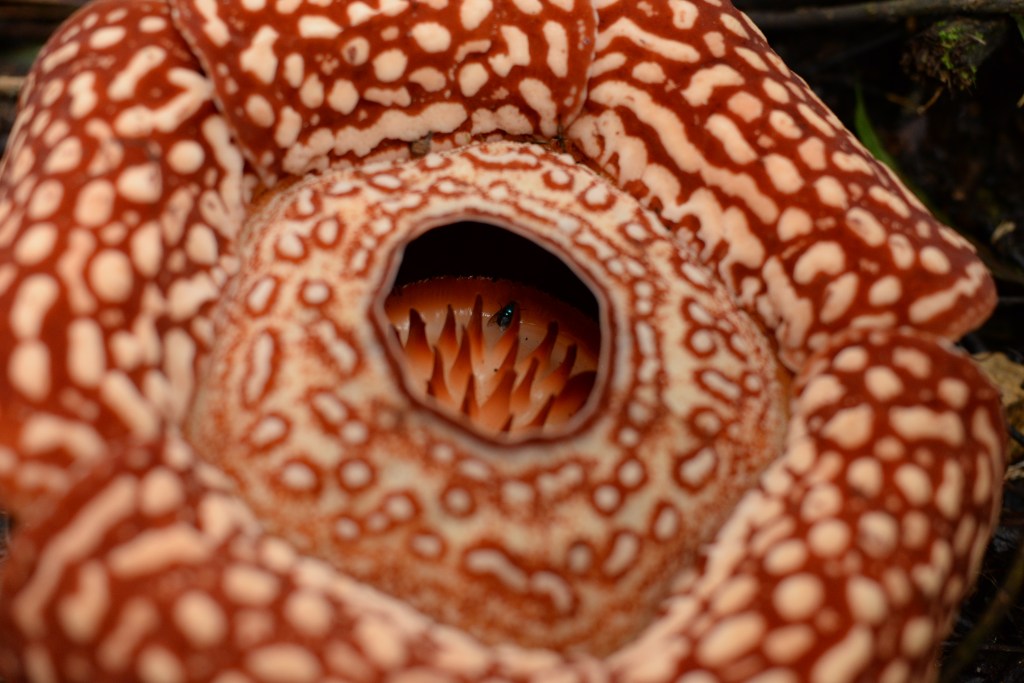
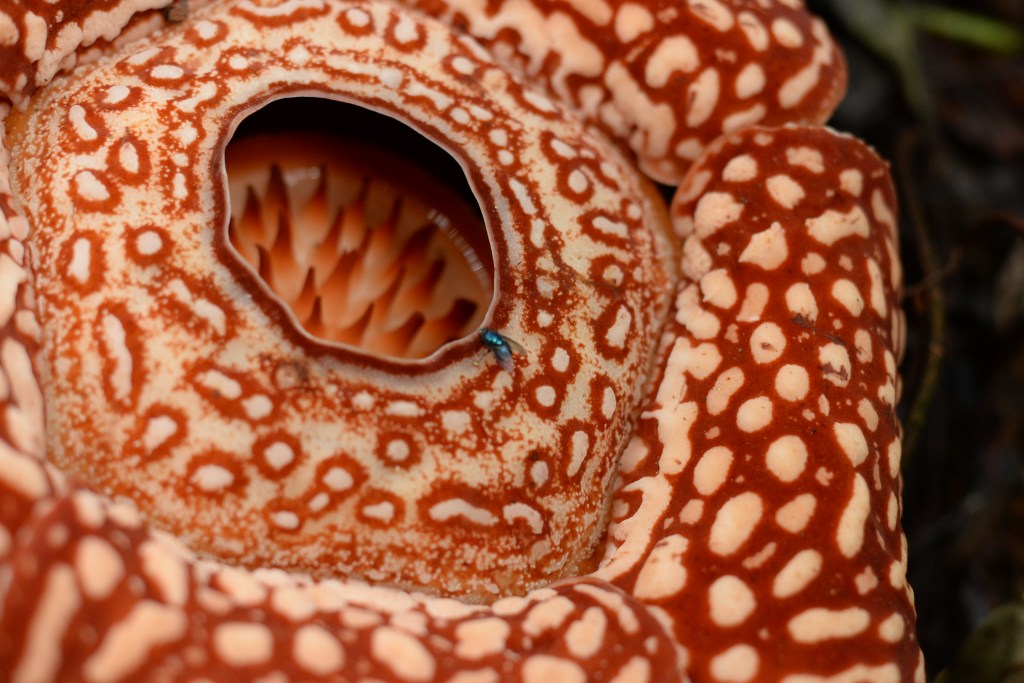
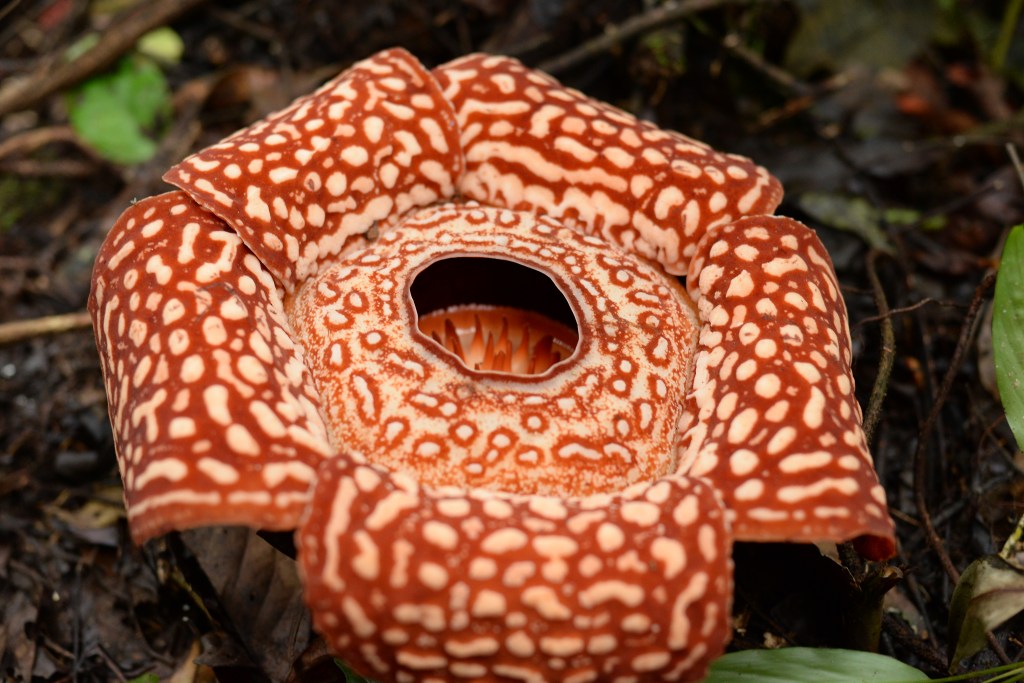
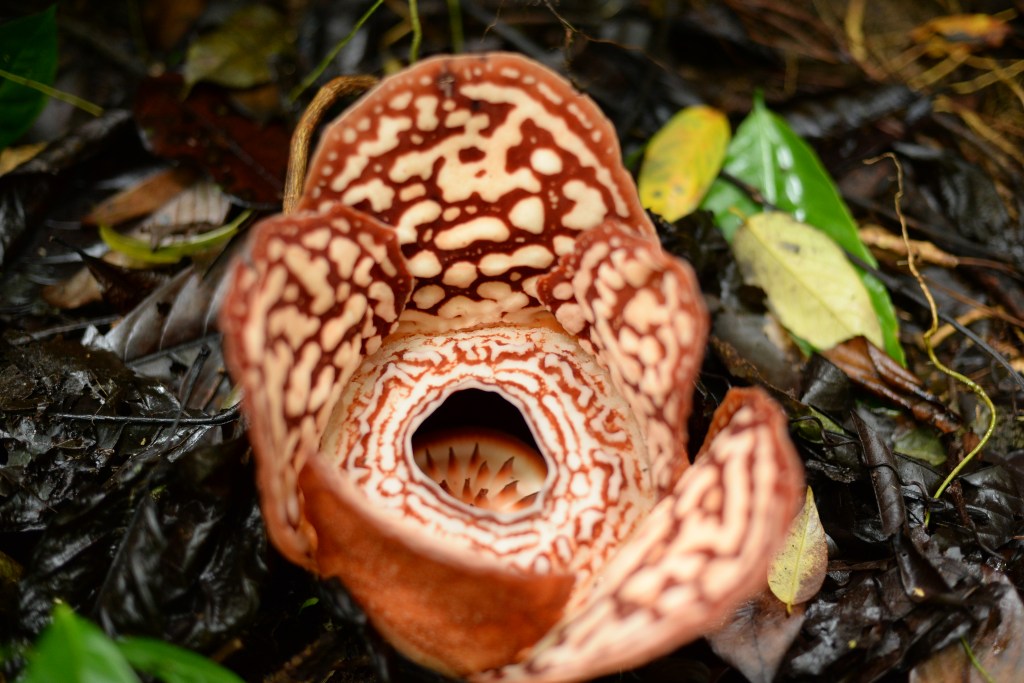
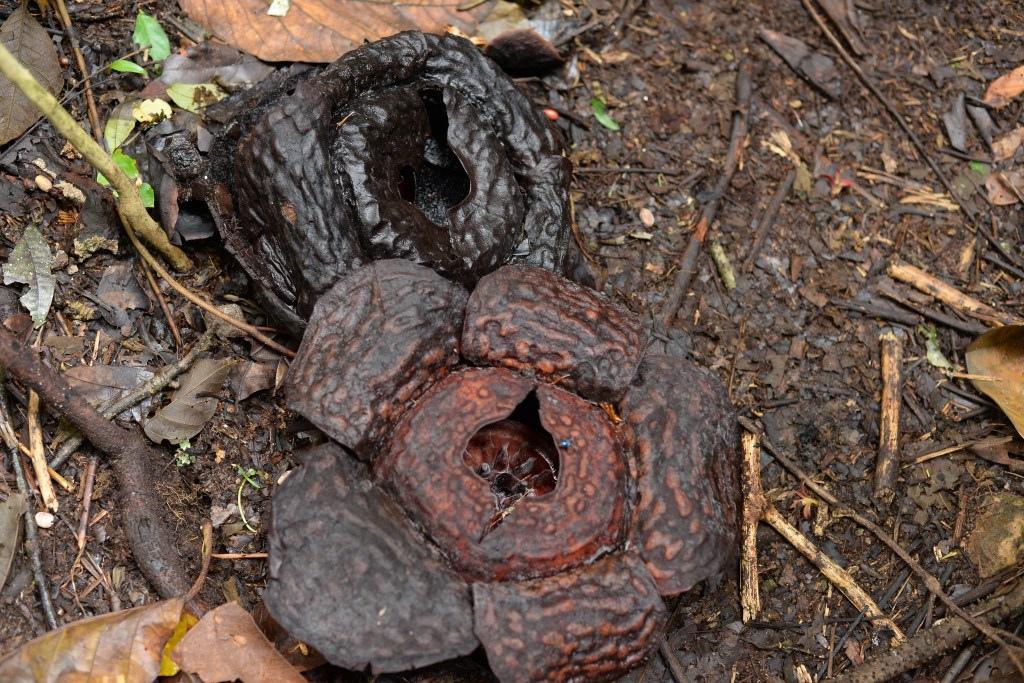
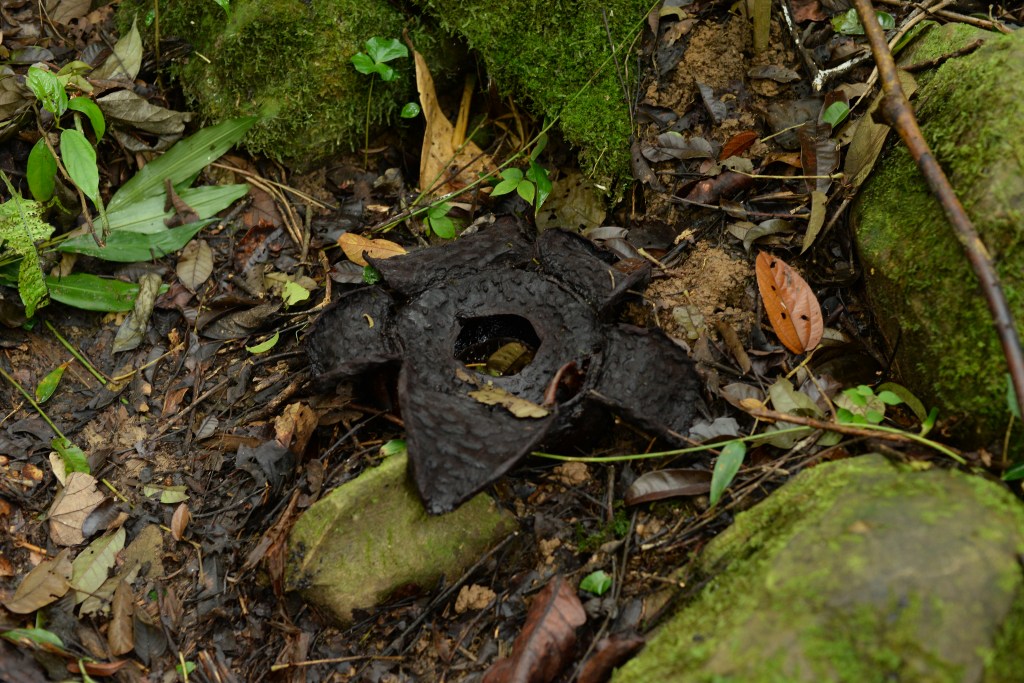
Rafflesia are big parasitic red colored flower with white dots that grows on the forest floor, feeding on it host the Tetrastigma vines for nutrients. It has no stems and leaves. From a small bud to full blooming it took around nine (9) month, the blooming only last for a week, depending on the environmental factor. During the nine (9) month period it is vulnerable to ground squireel, moon rat and other predator.

Rafflesia Bud

Finally after almost 40 minutes of trekking we found what we came for, the big red flower on the forest floor, this is the moment that everybody is looking forward to.. a magical and special moment. I still remember when I read the first time it was discovered in Java in 1791, they must be baffled by this beautiful flower not knowing what exactly it is. The ranger said it is day two blooming. We are so excited to see the rare flower at its natural habitat.

Rafflesia lost borneo
Rafflesia Pricei

Happy to see what we came for, after twenty minutes spend taking photos and videos, we decided to trek back to the starting point and drive 20 minutes to the nearby ranger station to see the insect eating pitcher plants and some orchids that grow along the trail.

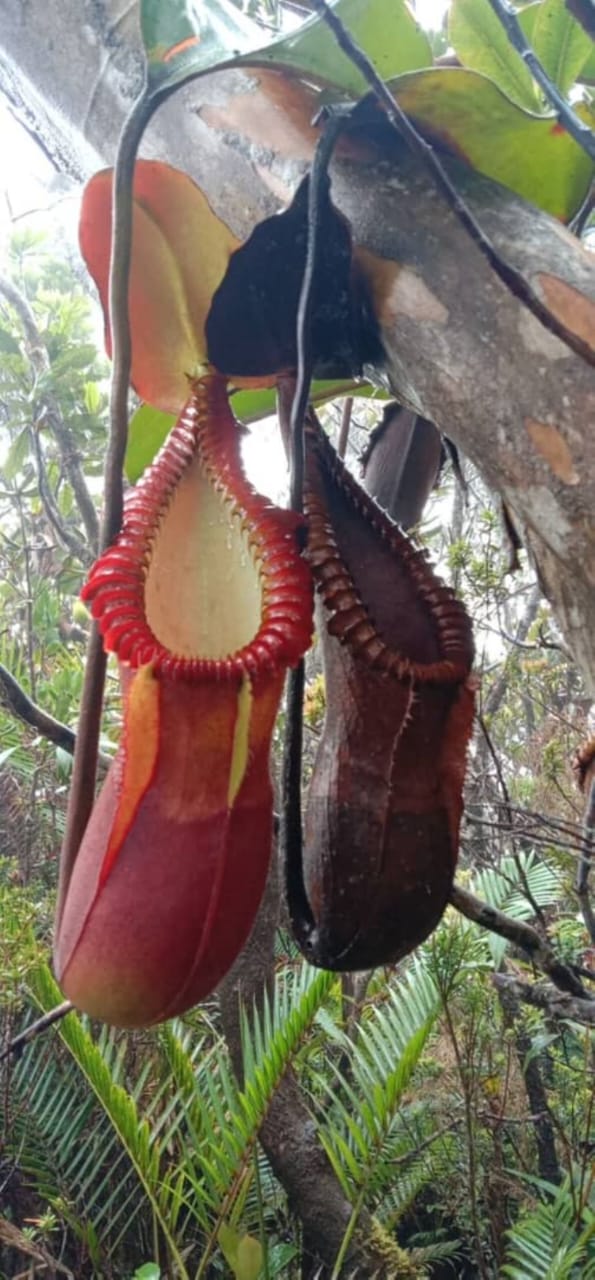
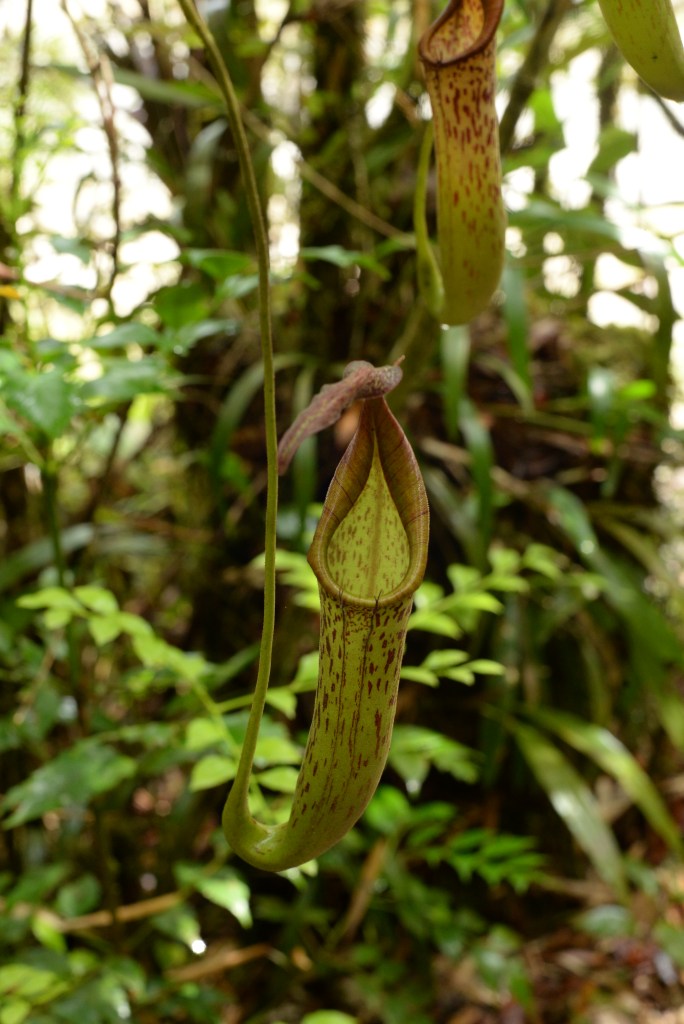
Nepenthes Macrovulgaris endemic to Borneo

Pitcher plants are specialised plant-life that grows on a poor and acidic soil, it traps and digest insect for nutrients through its modified leaves. The jar shaped leaves contain enzymes to dilute and break its pray. Insects are lured by the smell, colour of the pitcher.

Our trip at the ranger station ends at around 12pm, after lunch at the restaurant nearby, we decided to call it a day and drive back to Kota Kinabalu at 2pm. It is about time as the mist starts to swril inside the jungle every afternoon without fail.

Explore Wildlife at Borneo’s Kinabatangan River

By far the best river in South East Asia to spot Wildlife

So which is the best river in Borneo to spot the wildlife?  The answer is Kinabatangan River. Located at the eastern side of Sabah.

Kinabatangan River is the longest river in Sabah snaking its way about 560 km from the headwater located deep inside the heart of Sabah at Maliau Basin and nearby Trusmadi – Pinangoh mountain range and drains out at the Sulu sea. 

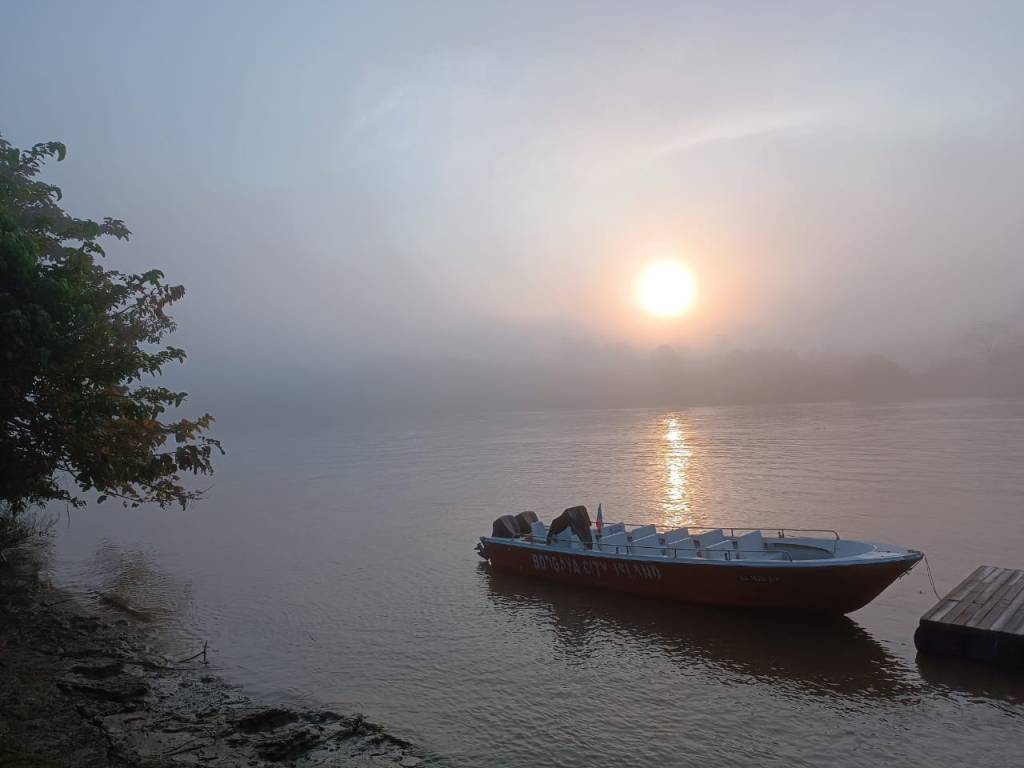
Kinabatangan river pic

The jungle that grows on both side of the river provides habitat and food for the wildlife. This jungle is home for endangered and the endemic Orang Utan, Proboscis Monkeys, Red Leaf Langurs, Bornean Gibbons and other leased concern primates such as Silvered Langur, Long Tailed Macaque, Western Tarsier and Slow Loris.

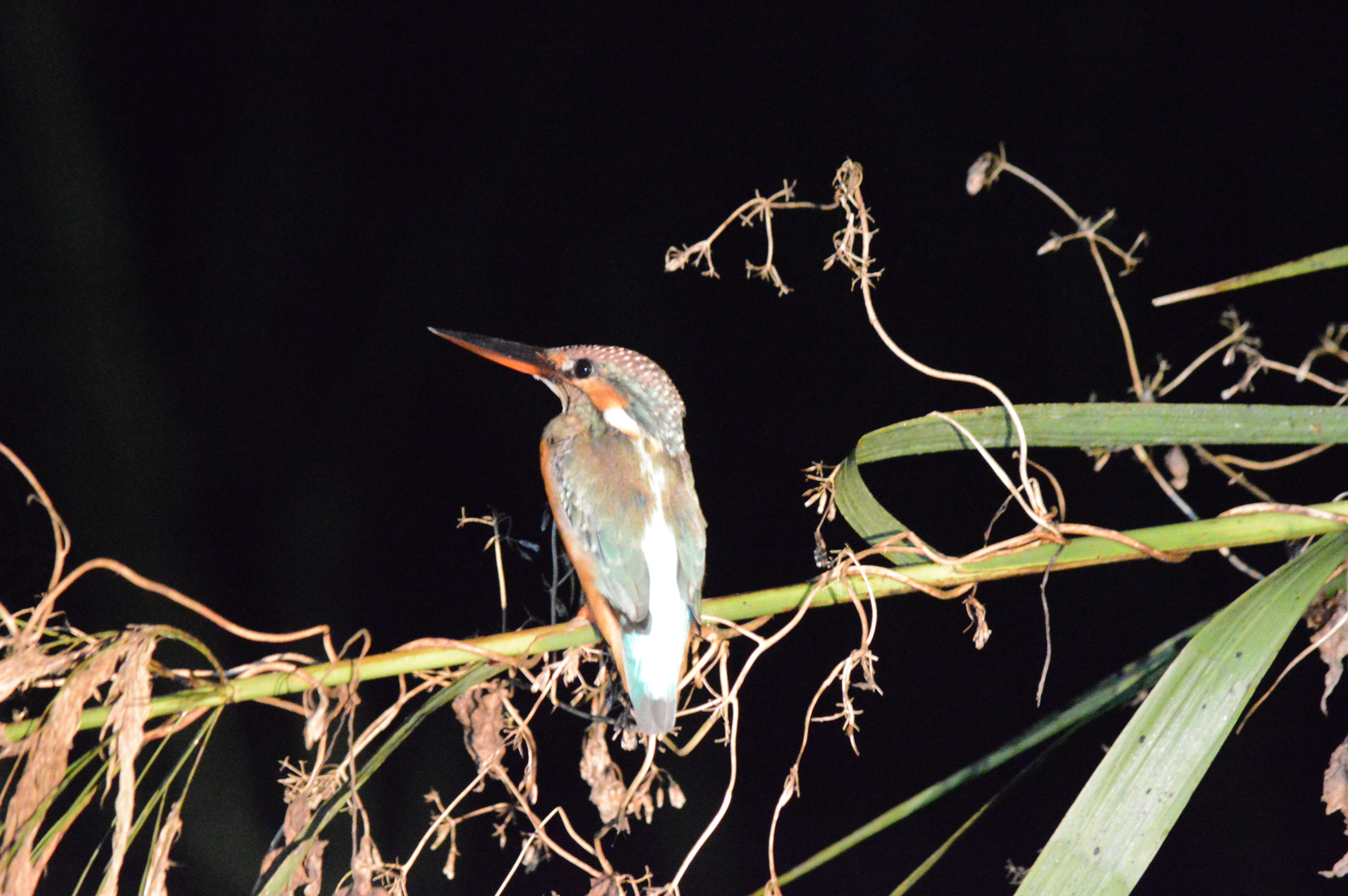
If you are more into birding Kinabatangan is perfect place, with 8 species of Hornbills, 11 species of Kingfishers, 16 species of woodpeckers basically it is home to around 200 species of Birds.

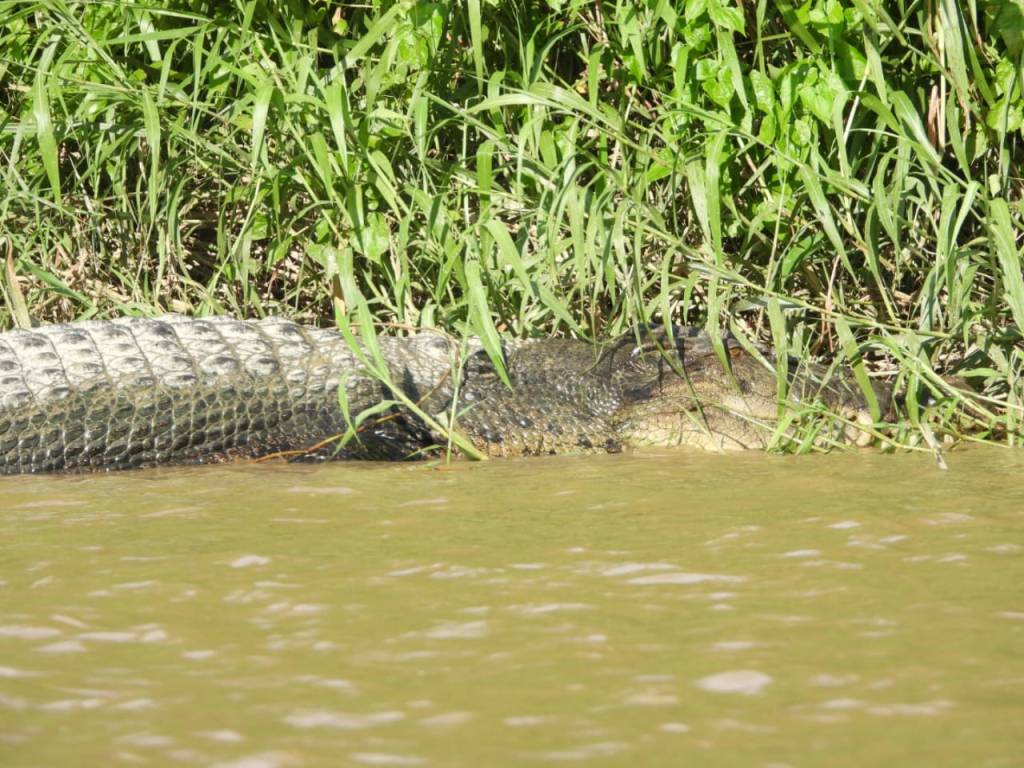
Four feline spices with Clouded Leopard being the largest, eight species of Civet cats, Pygmy Elephants, Salt Water Crocodiles that can reach up to 18 foot. This makes Kinabatangan is so special and a must visit destination for wildlife enthusiasts.

At Kinabatangan, most tour packages include three river cruises per day, each lasting around two hours:

Morning Cruise: Usually departs around 6:00 AM. Great for spotting birds, monkeys, and sometimes orangutans.

Afternoon Cruise: Begins around 4:00 PM, ideal for catching wildlife before dusk.

Night Cruise: Starts after dinner (~8:00 PM), focusing on nocturnal creatures like owls, crocodiles and civets.

However, if you’re looking for something more immersive, you can arrange for a customised cruises. These can be longer in duration and cover more remote parts of the river, increasing your chances of seeing rarer species and avoiding crowds. Perfect for wildlife photographers or serious nature enthusiasts!

Just be sure to request this in advance, as custom cruises often require private arrangements and may cost a bit more.

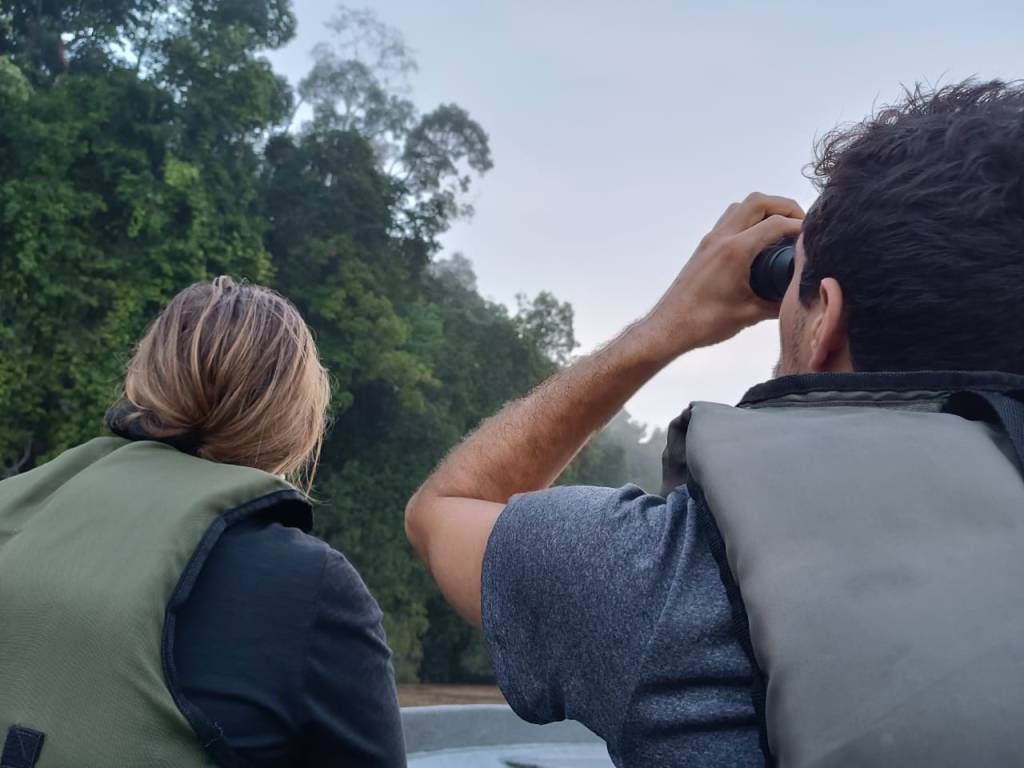
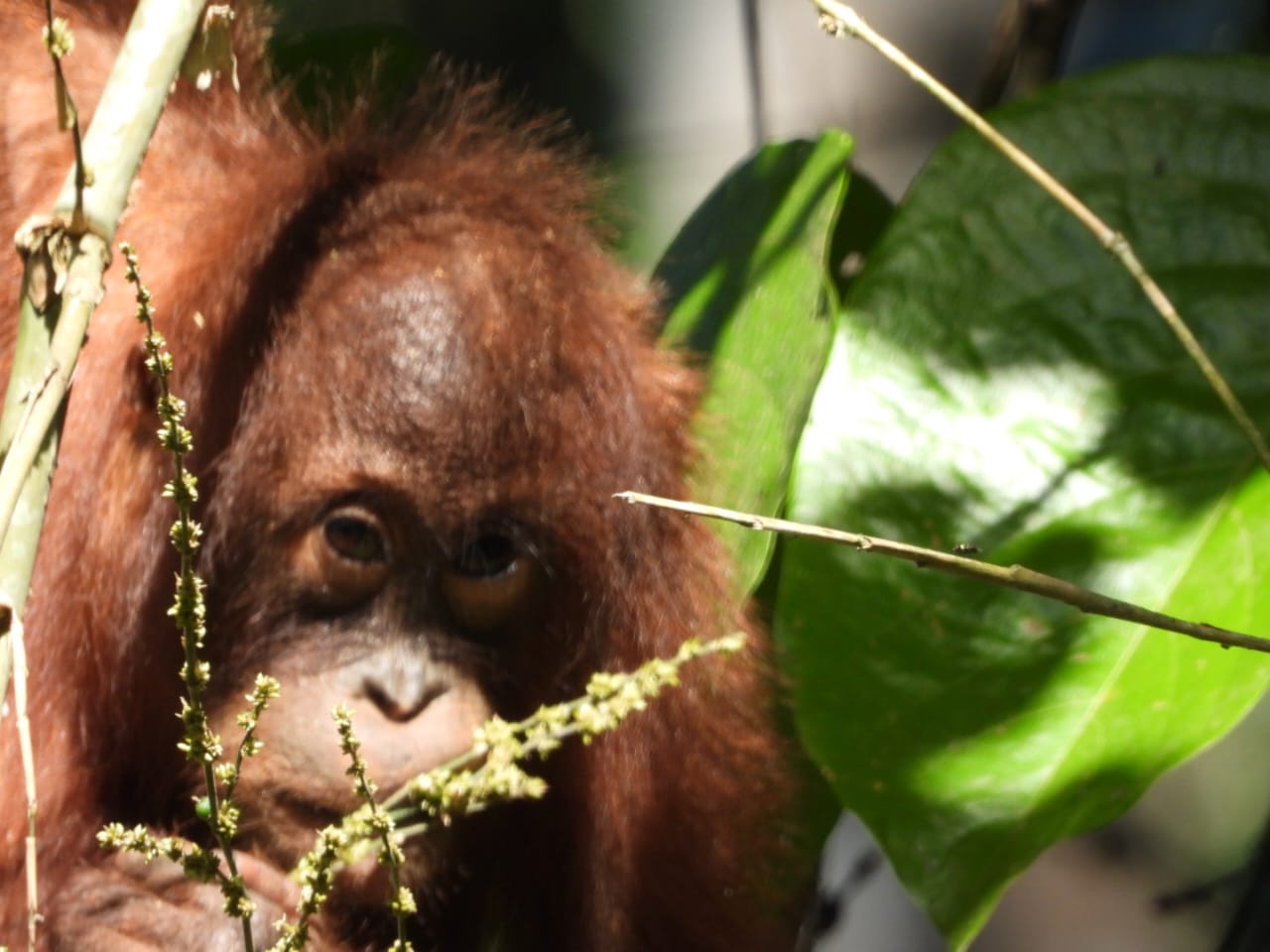
Observing an Orang Utan having breakfast

As for the accommodations there are many lodges, homesteads and even resorts along the river within the village area. Sukau, Bilit and Bukit Garam to name a few.

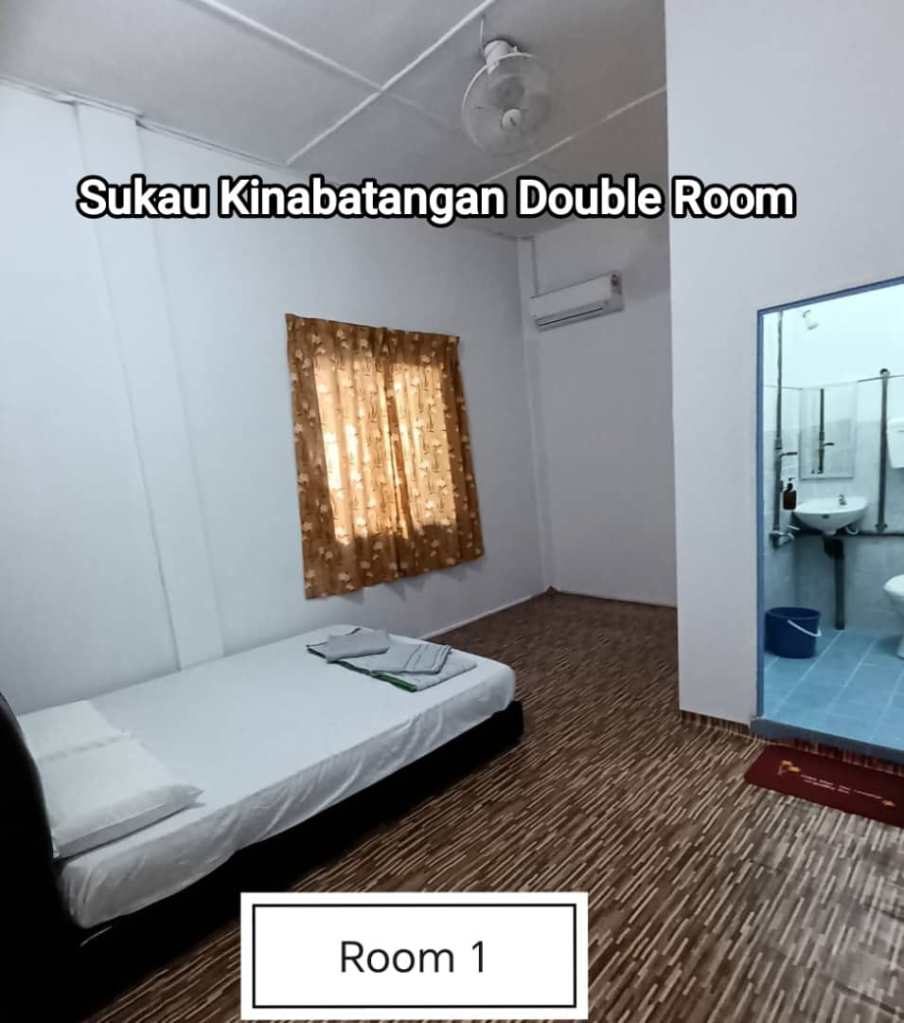
For our Kinabatangan packages, we are using a locally – owned B&B in Sukau. A simple yet charming base right by the river. Private room with ac, attached bathroom and toilet with water heater. This version keeps it warm, authentic and appealing to eco-conscious travellers. A fantastic way to support the local community.

B&B Sukau double room

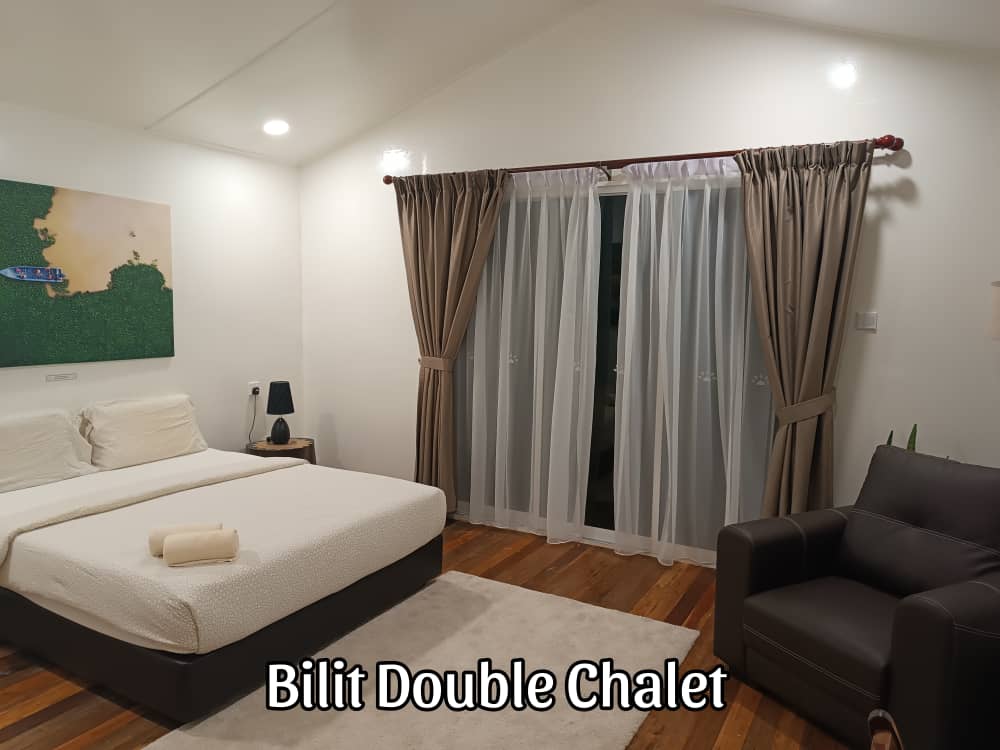
For travelers who prefer a bit more luxury without sacrificing the jungle experience, we also offer stays at a higher-end lodge in Bilit, just a short drive from Sukau. Nestled along the Kinabatangan River, this lodge blends comfort with nature beautifully.

Guests can enjoy:

Spacious air-conditioned rooms with stylish interiors

Private balconies or verandas overlooking the river or gardens

En-suite bathrooms with hot showers and modern amenities

On-site restaurant serving both local cuisine

Lush surroundings with boardwalks, observation decks, and guided nature walks

Spacoius Bilit Double Room

All of the accommodations are with breakfast, lunch and dinner. Vegan or vegetarian diet is not a problem. 

We specifically choose Sukau Village because of it strategic location, apart from cruising along the main river, you can also cruise at the smaller tributaries nearby namely Resang, Menanggol, Oxbow in search of the wildlife.

The best duration is either 3D2N and if you are looking for specific wildlife 4D3N is a great timing.

How to get there? 

  1. Fly from KUL to SDK airport get picked up from the airport at 1300 hrs and drive 2 hours to Sukau Village located next to the river. 
  2. Fly from KUL to BKI (Kota Kinabalu International Airport) get a grab car to Inanam long distance bus terminal and get a ticket to either Lahad Datu, Semporna or Tawau. Get off at Kota Kinabatangan and the agency that you’ve booked from will pick you up and send you to Sukau Village. 
  3. Get the same bus if you are coming from either Kinabalu Park, Ranau or Telupid.

Looking forward to cruise with you at Kinabatangan River. See you soon

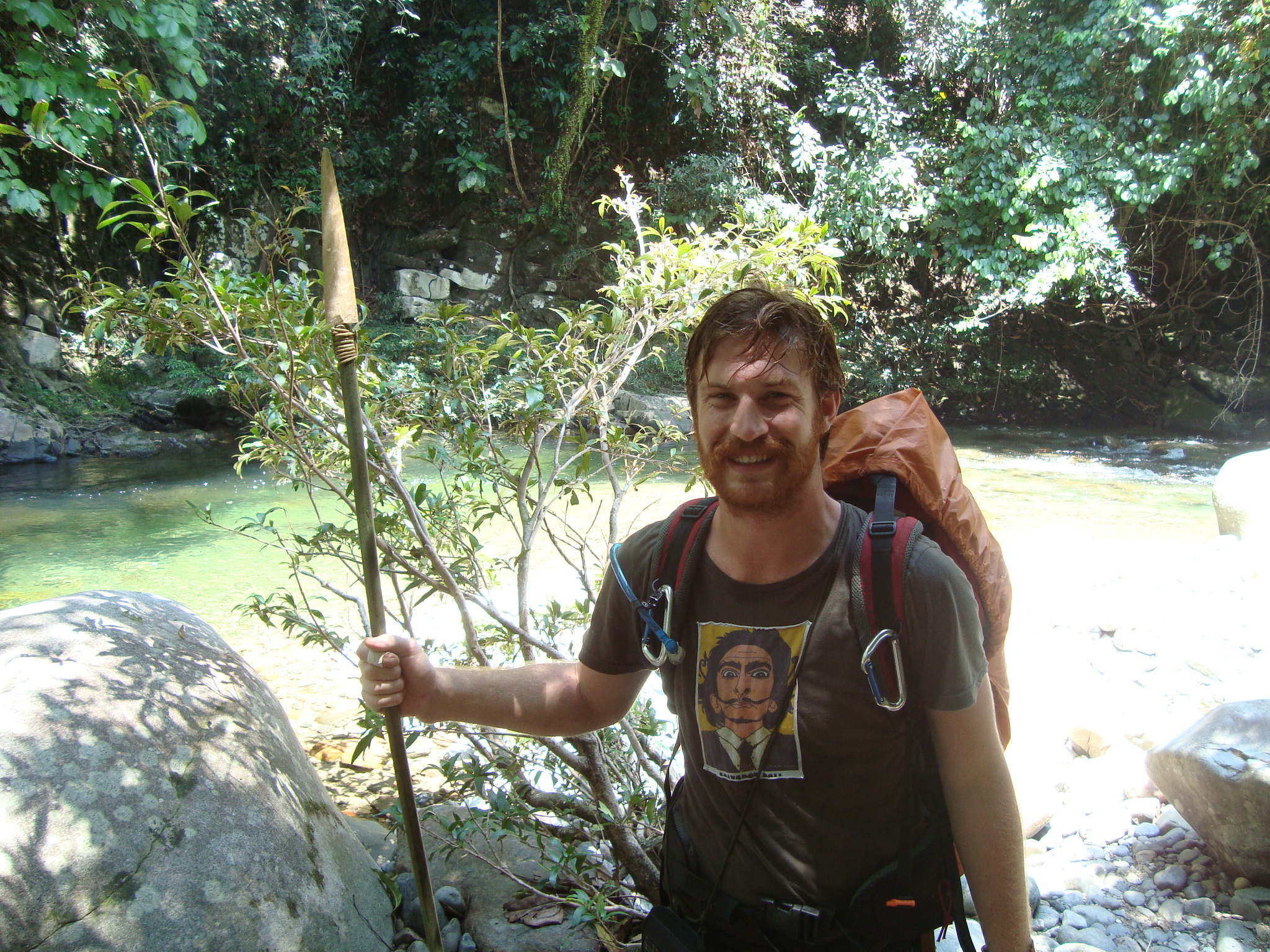
Ultimate Jungle Survival Trek in Borneo

So, what can you expect on a jungle survival trek, you ask?

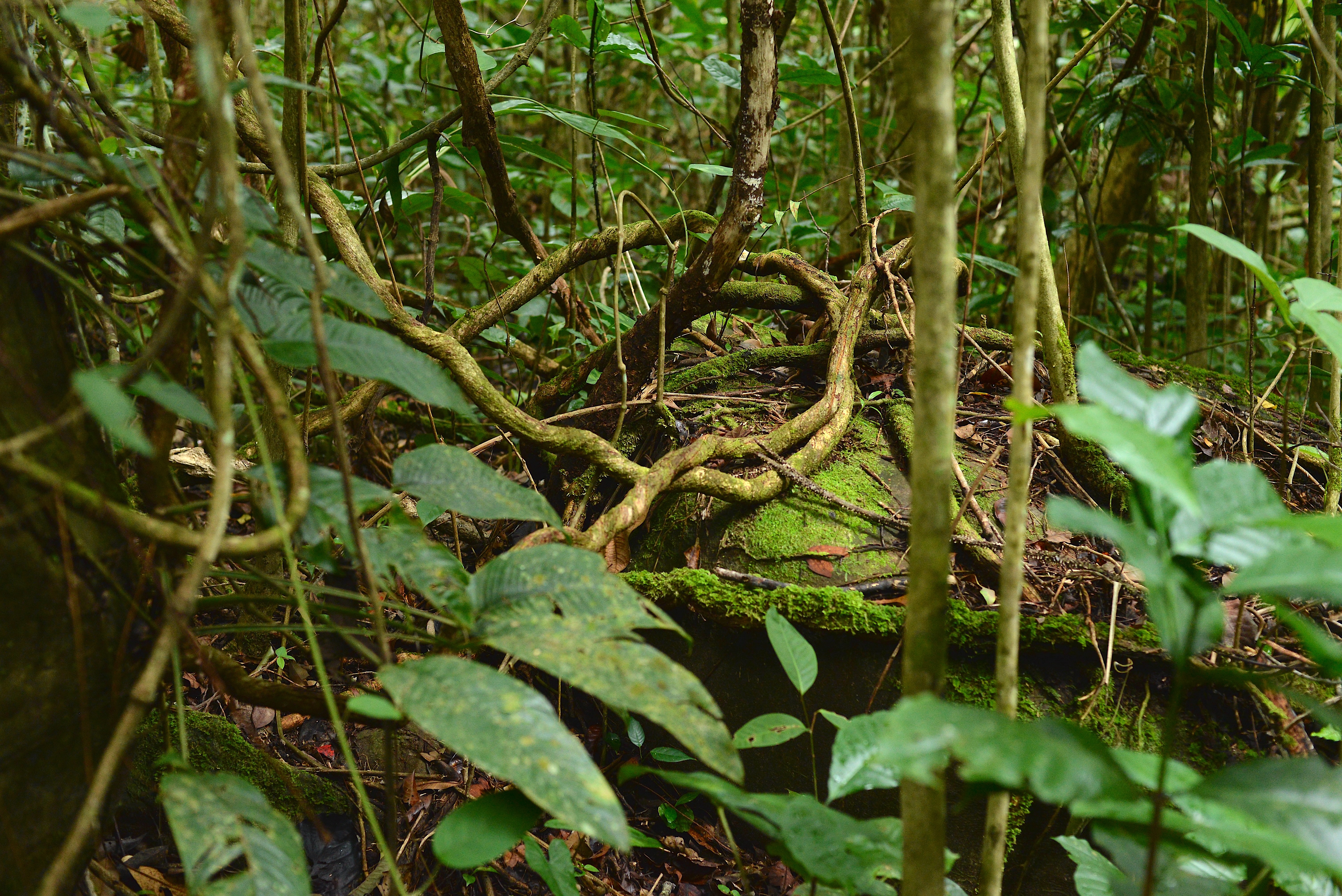
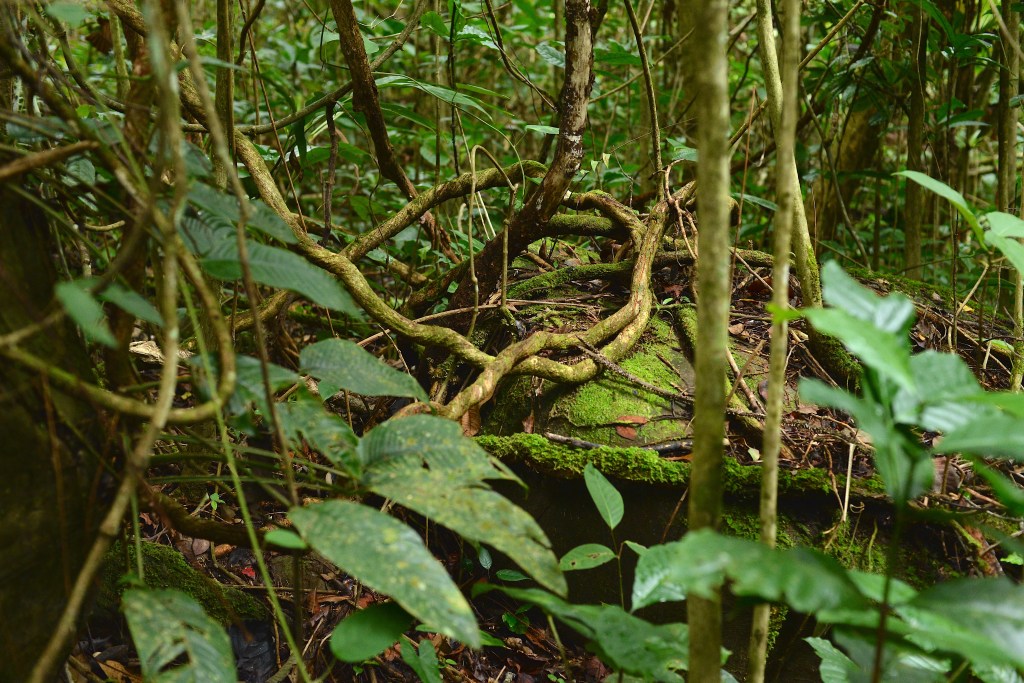
The jungle won’t just challenge you—it will consume you. It’ll chew you up, spit you out, and then drag you right back in. By the time it’s done with you, your trek is over—but you’ll walk out changed. You’ll reek of sweat and mud, wear your cuts like battle scars, and probably look like you’ve been through hell.

But you’ll also have a huge, satisfied grin across your face, because you did it—with L.O.S.T Borneo. It’s raw, real, and unforgettable. A true survival experience that checks a big one off your Borneo bucket list.

Venture into a non-touristic lowland jungle, located about 2 hours’ drive either northeast or southeast of Kota Kinabalu, for an unforgettable “rough it up” style trekking adventure.

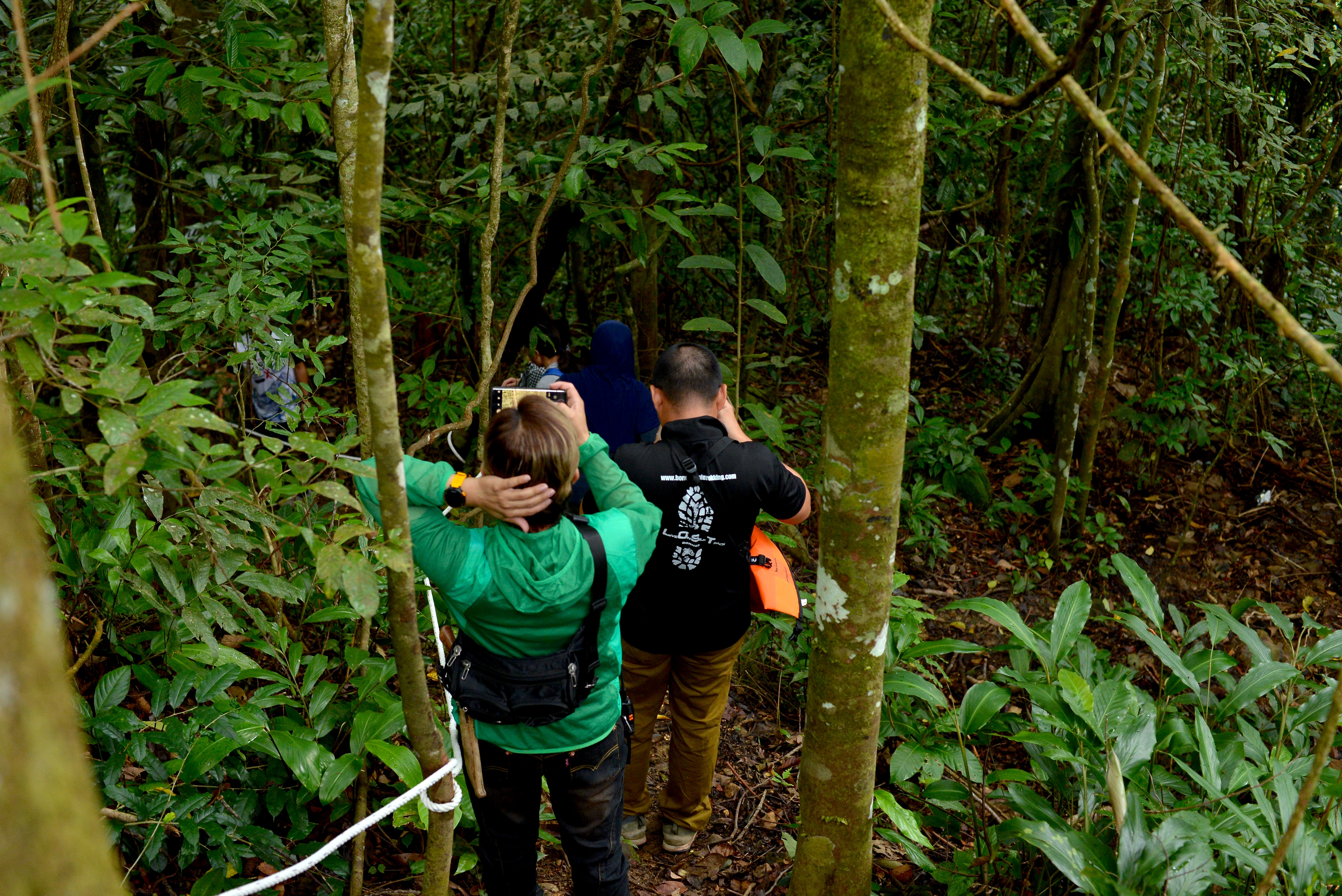
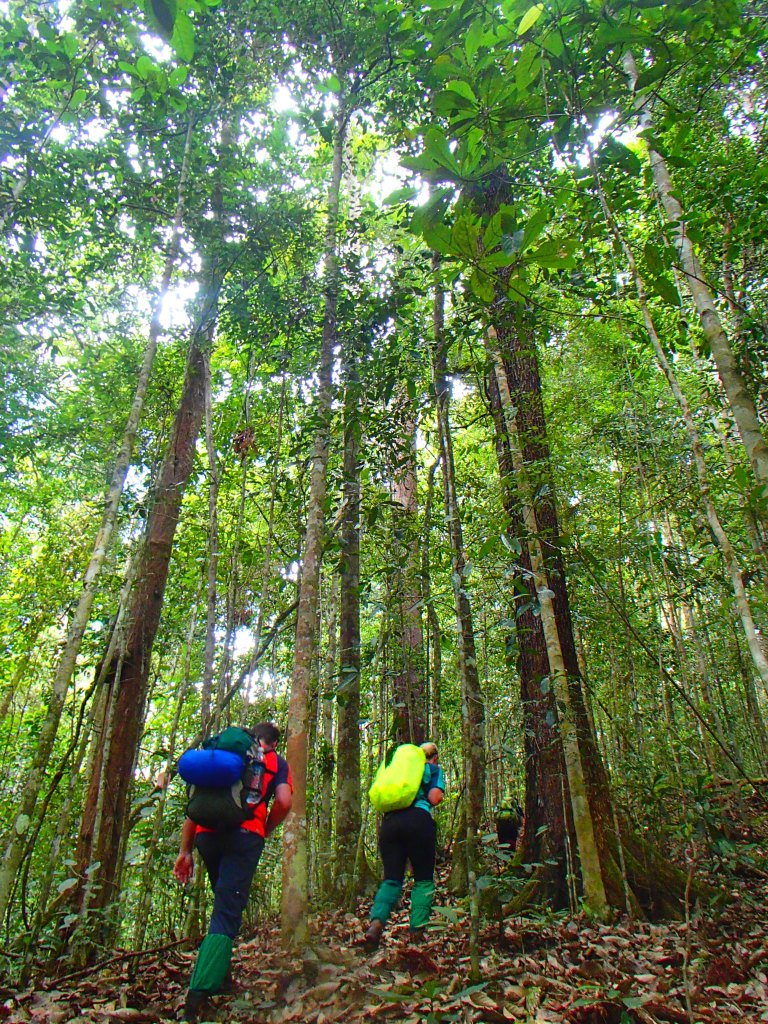
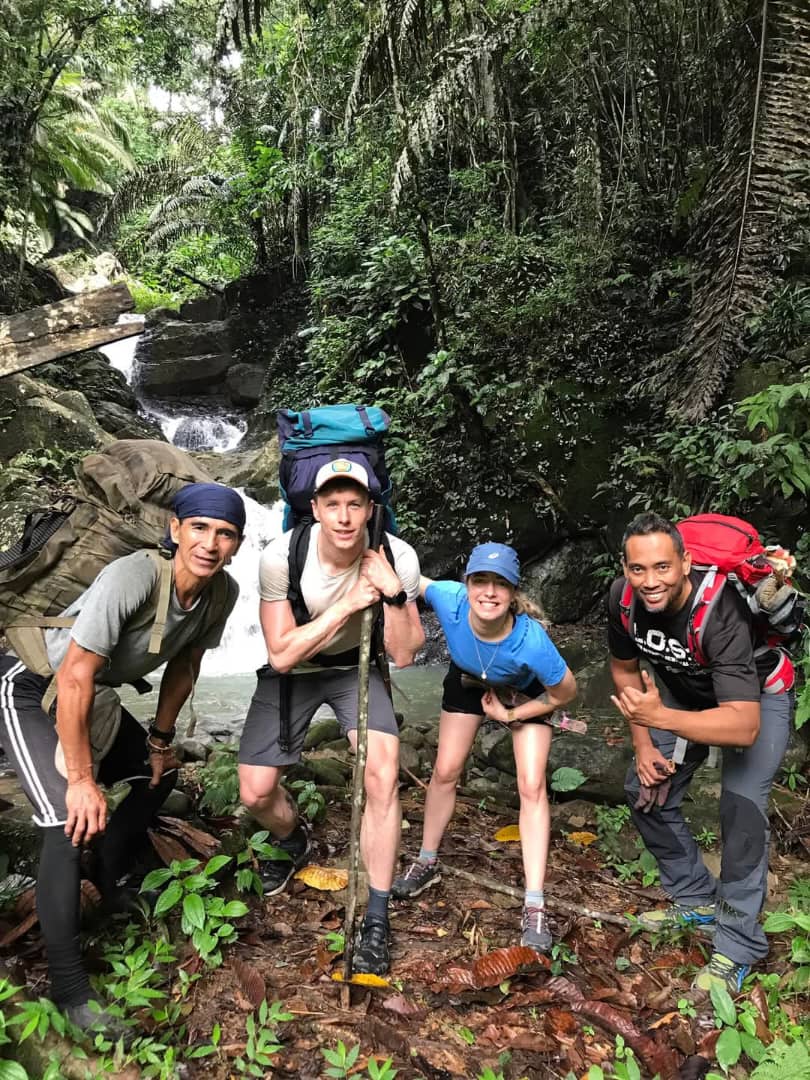
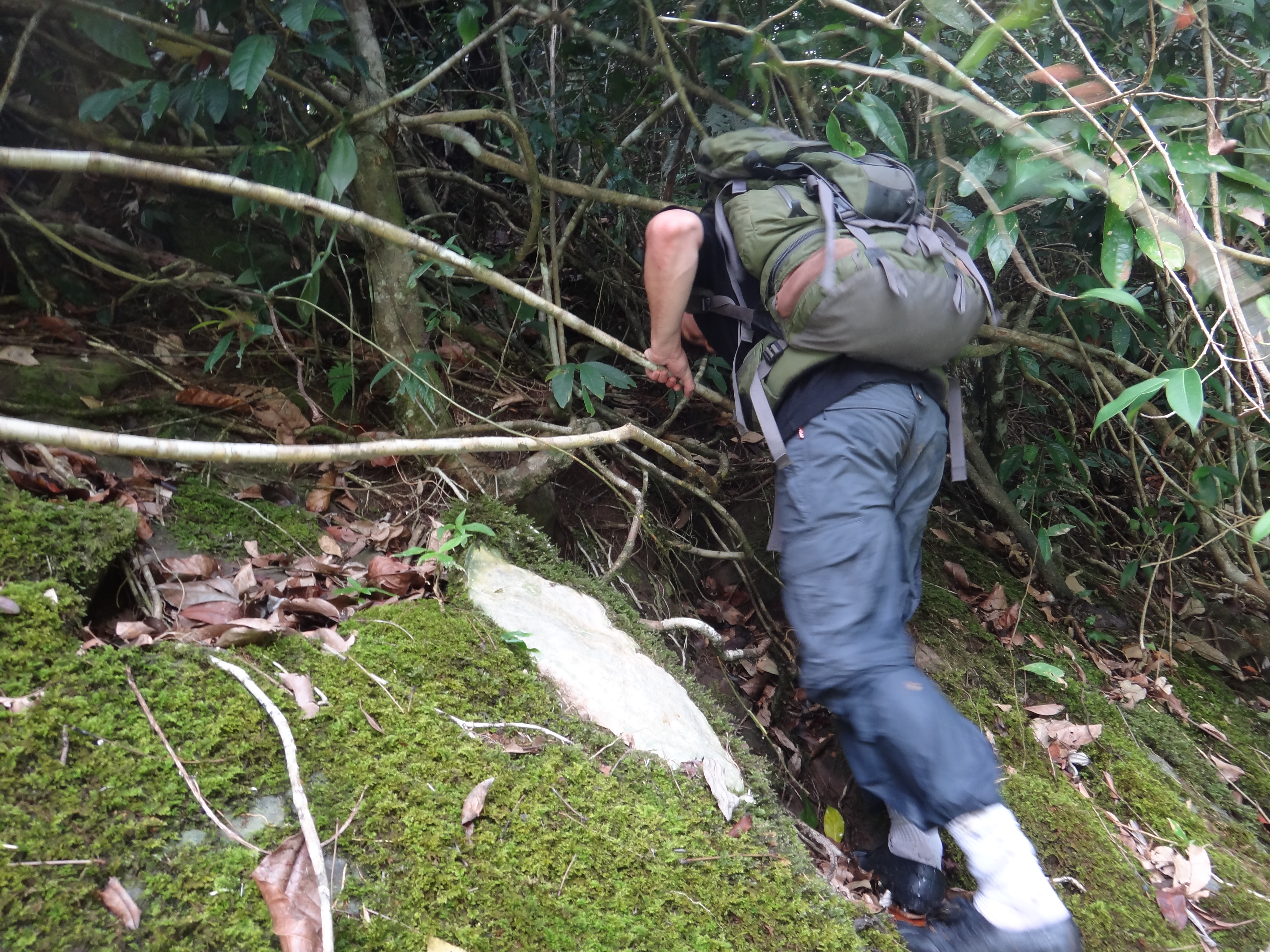
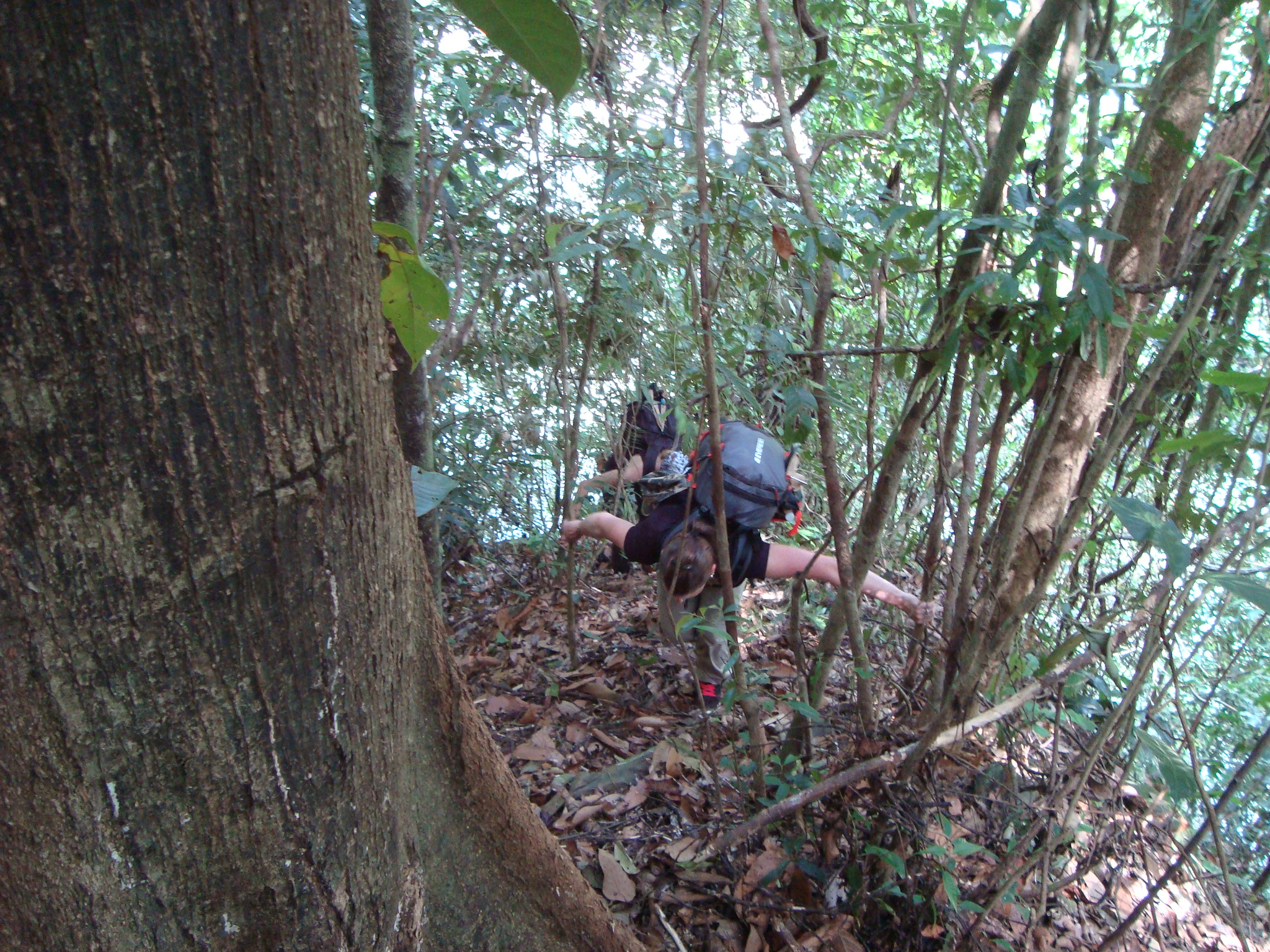
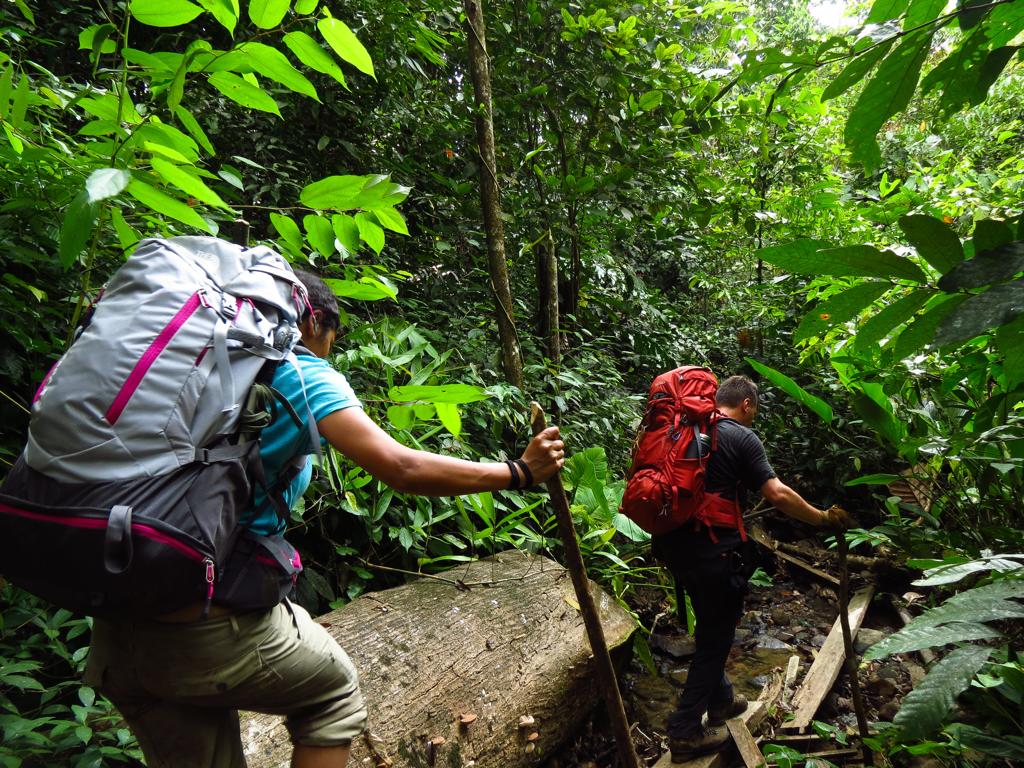
Equipped with just the essentials—limited food, water, and a machete—you’ll hike 5 to 6 hours daily through challenging undulating terrain. With our experienced guide leading the way, you’ll cross rivers, climb jungle-covered hills, and even have the chance to cool off in a secluded waterfall.

This is a raw, back-to-nature experience designed for those seeking real adventure and survival in Borneo.

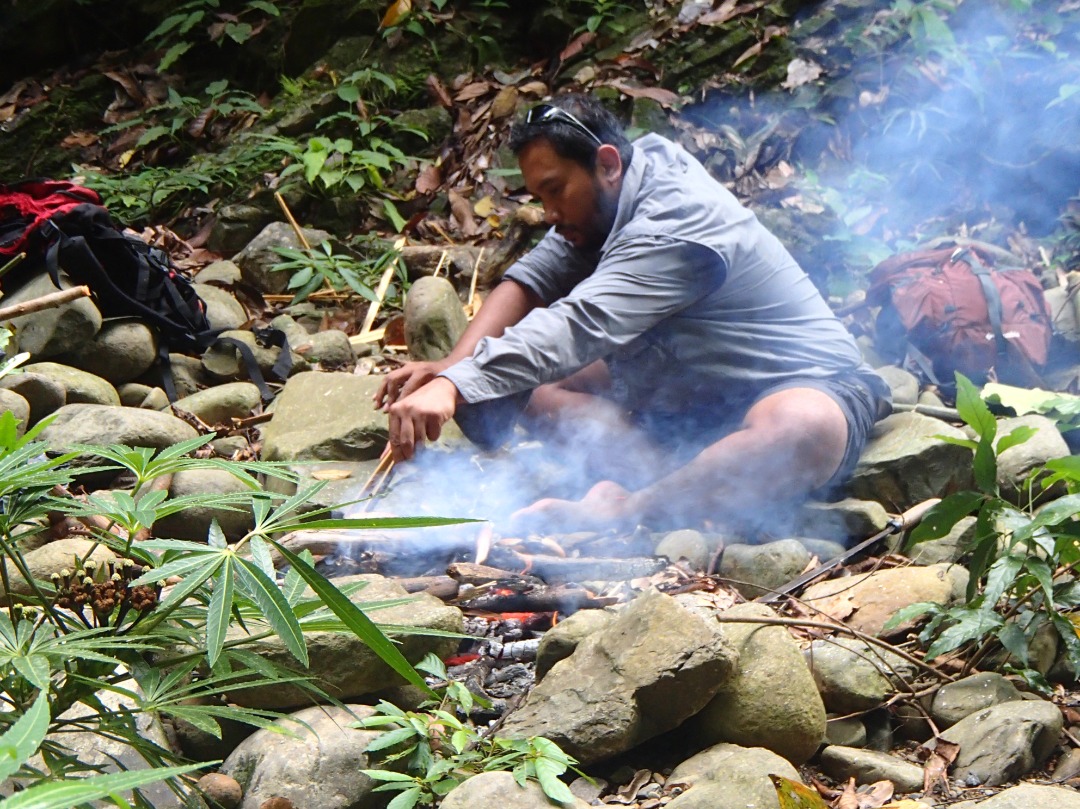
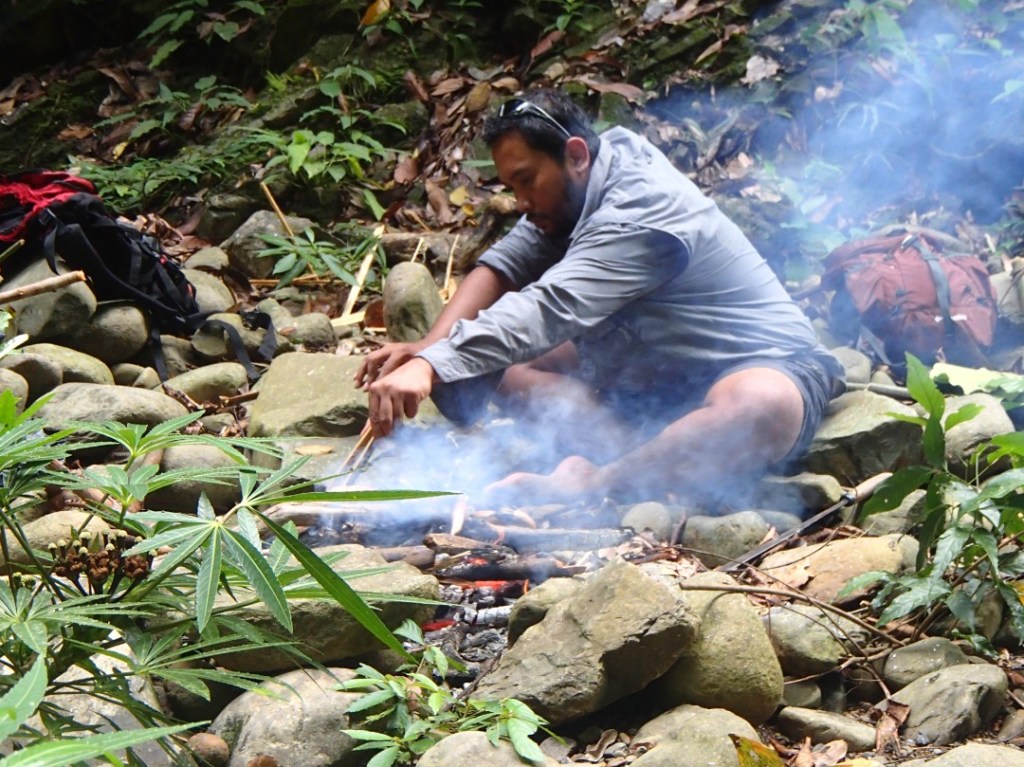
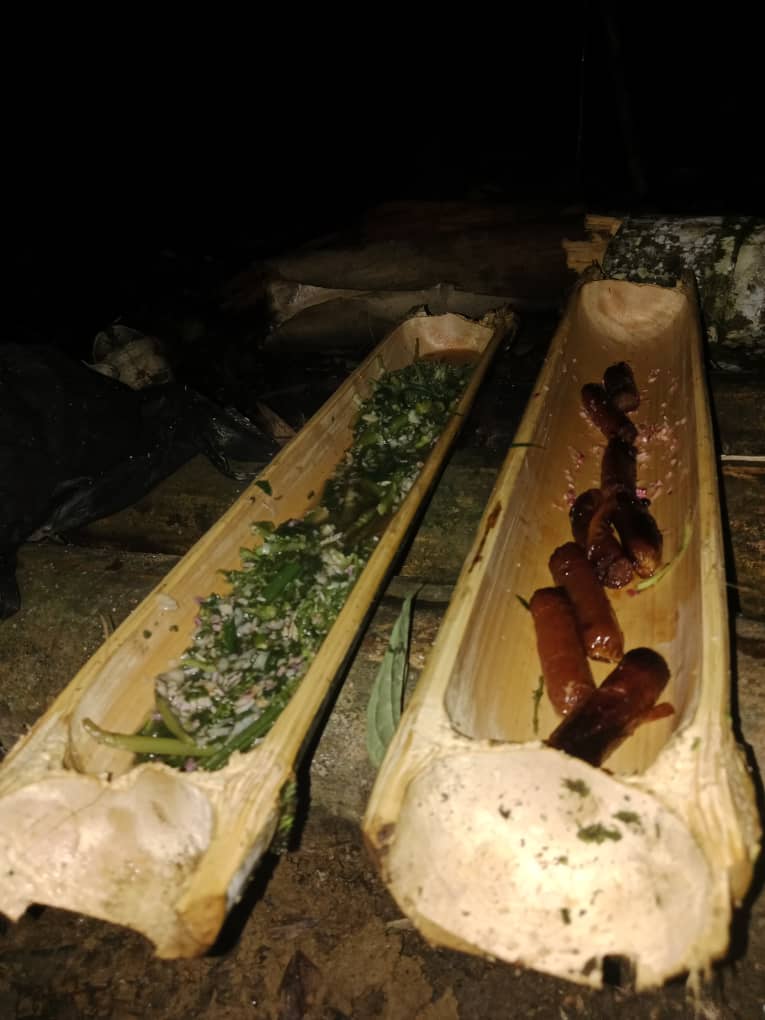
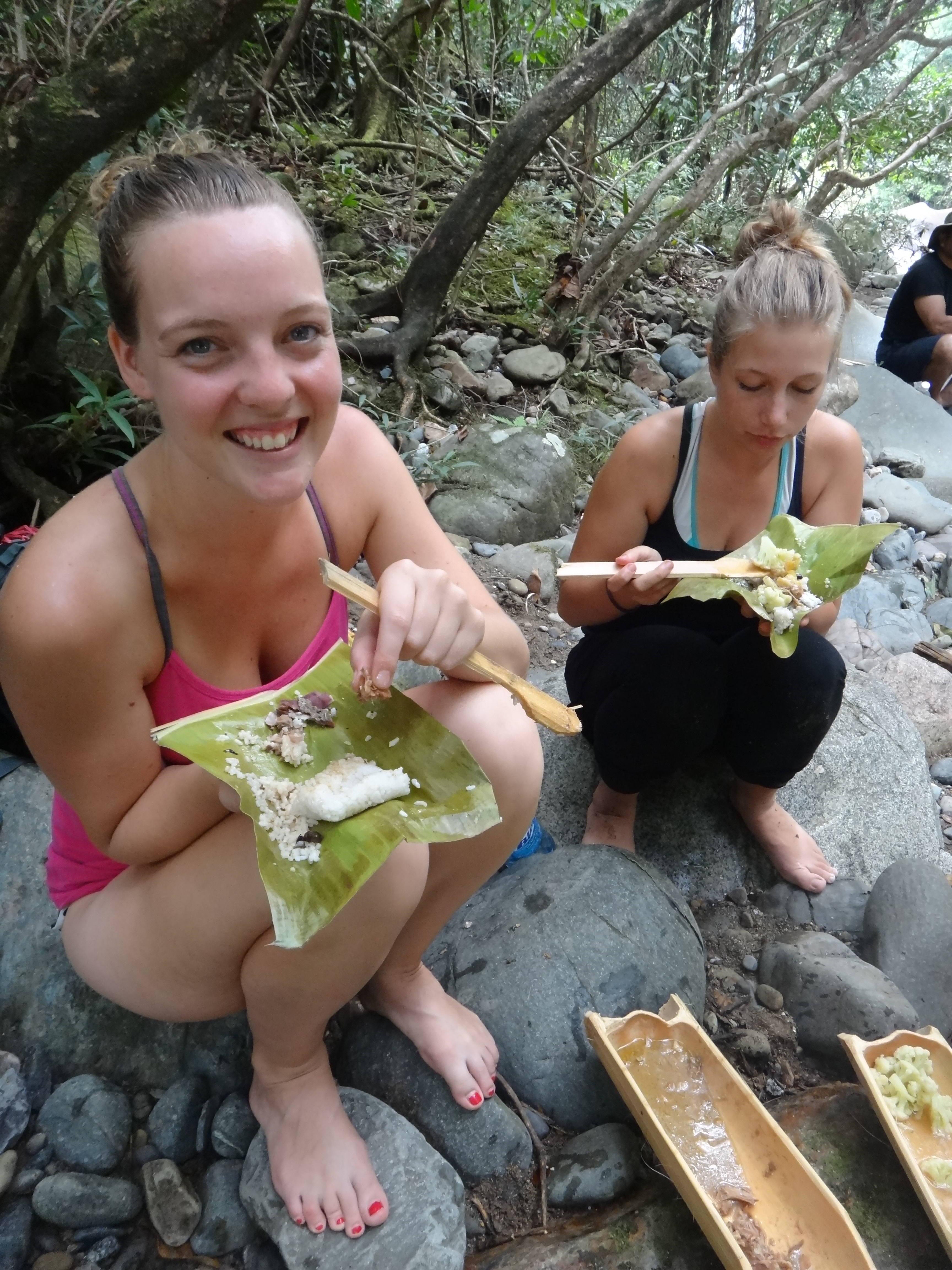
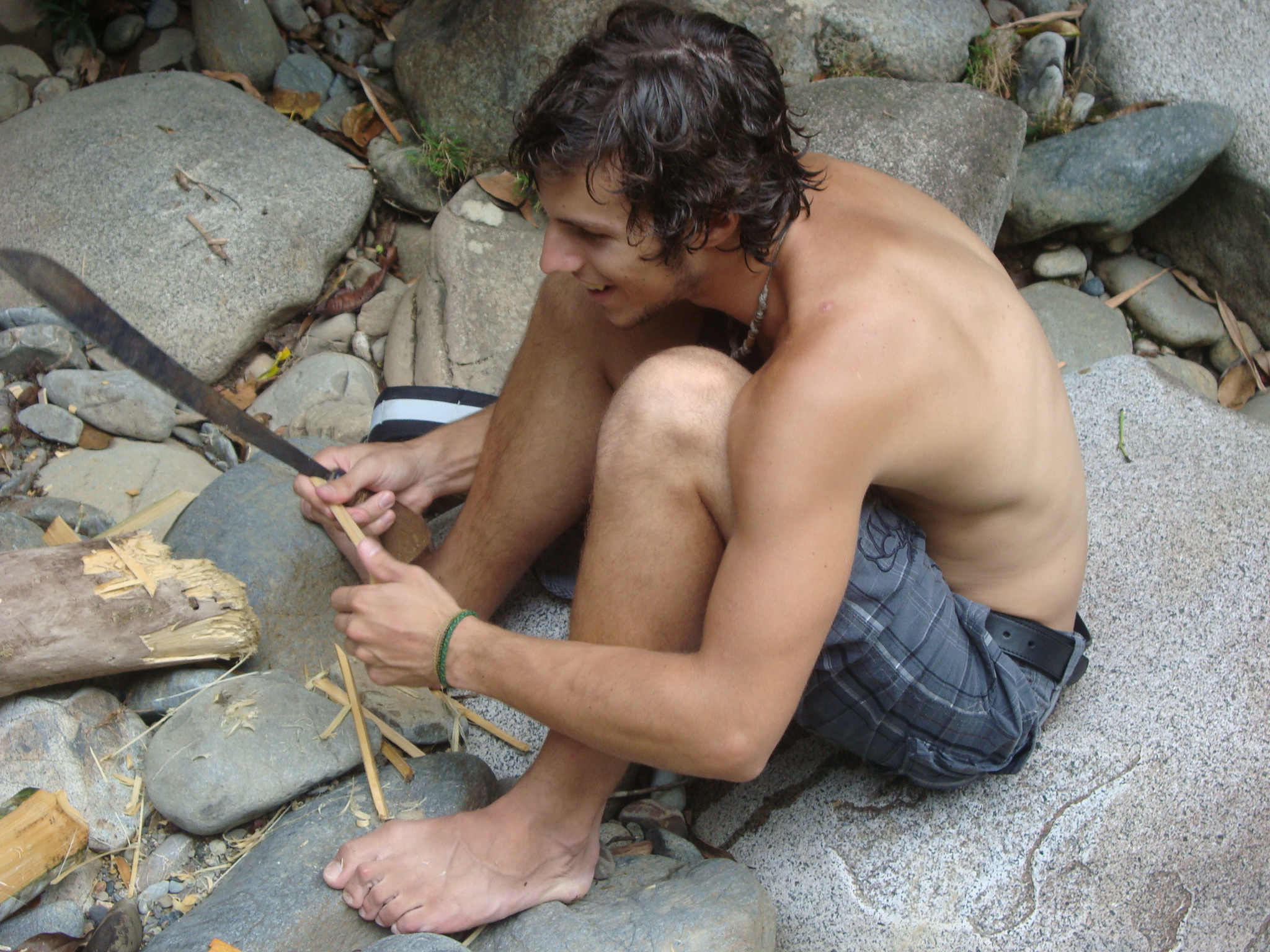
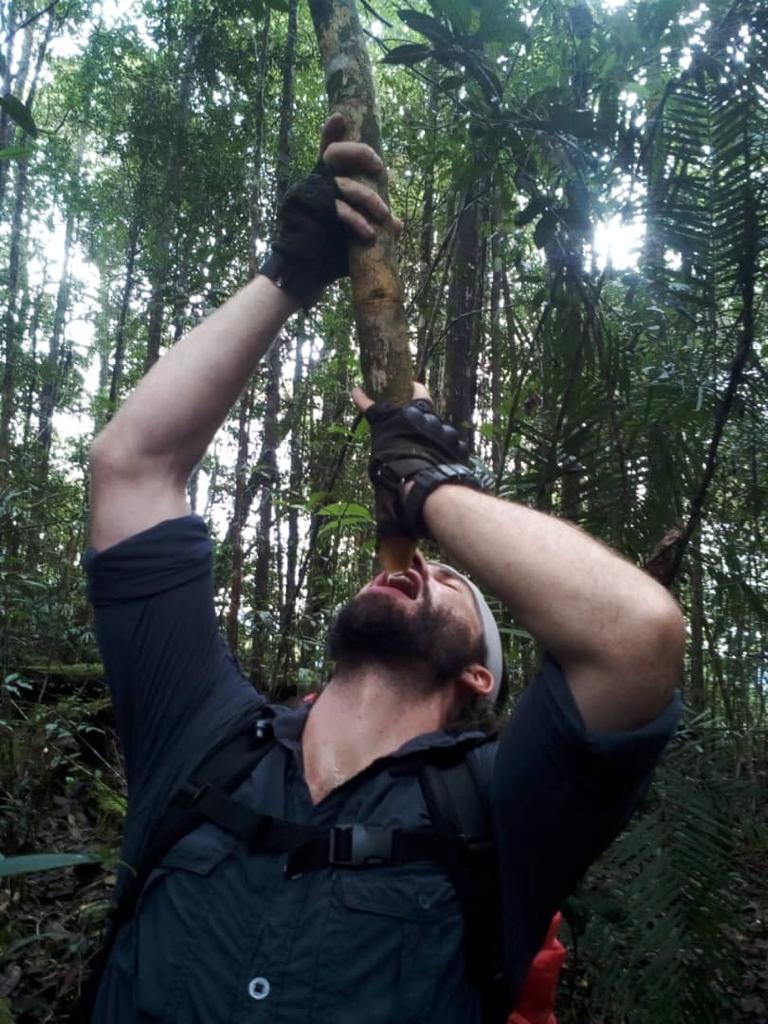
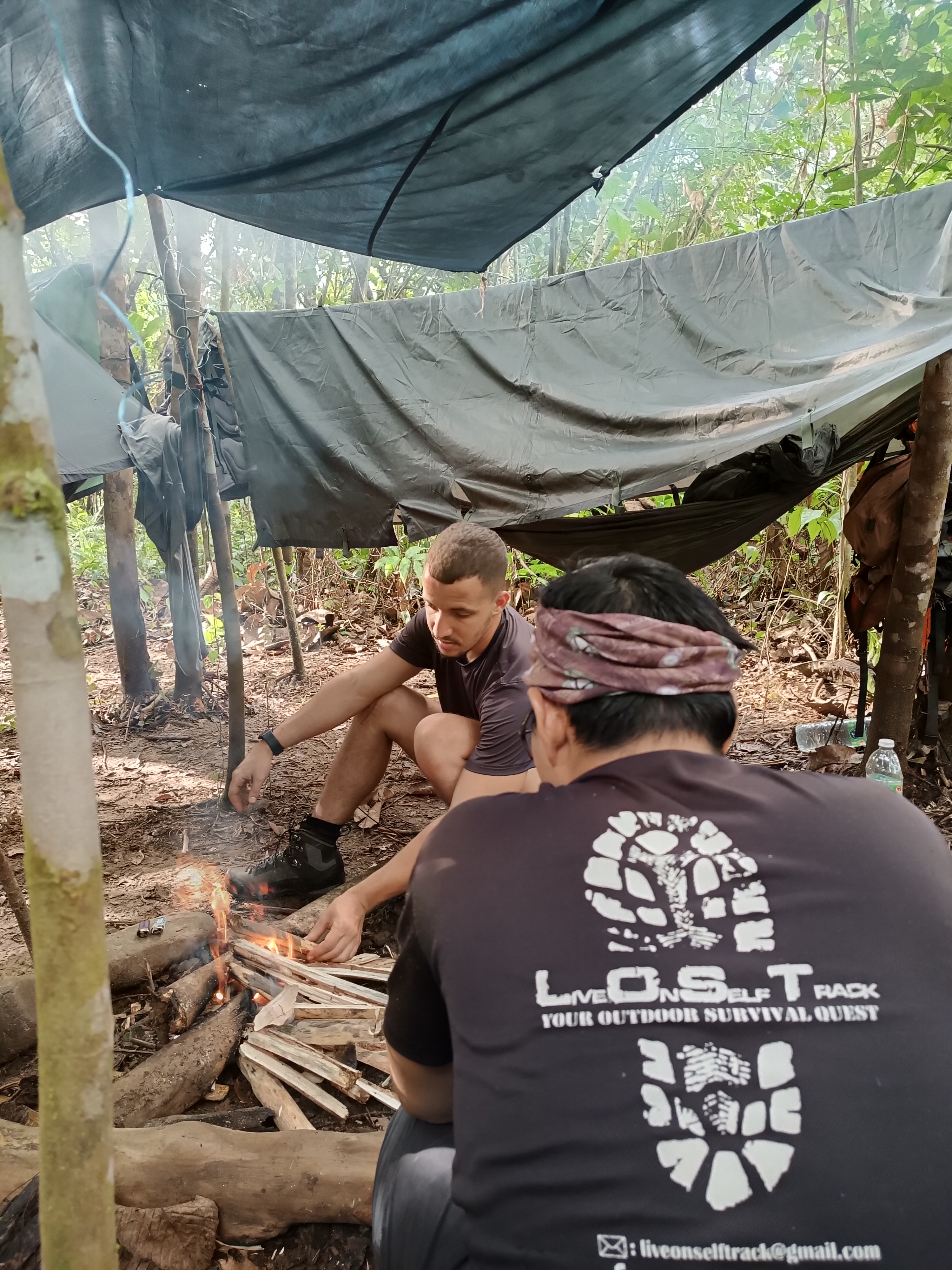
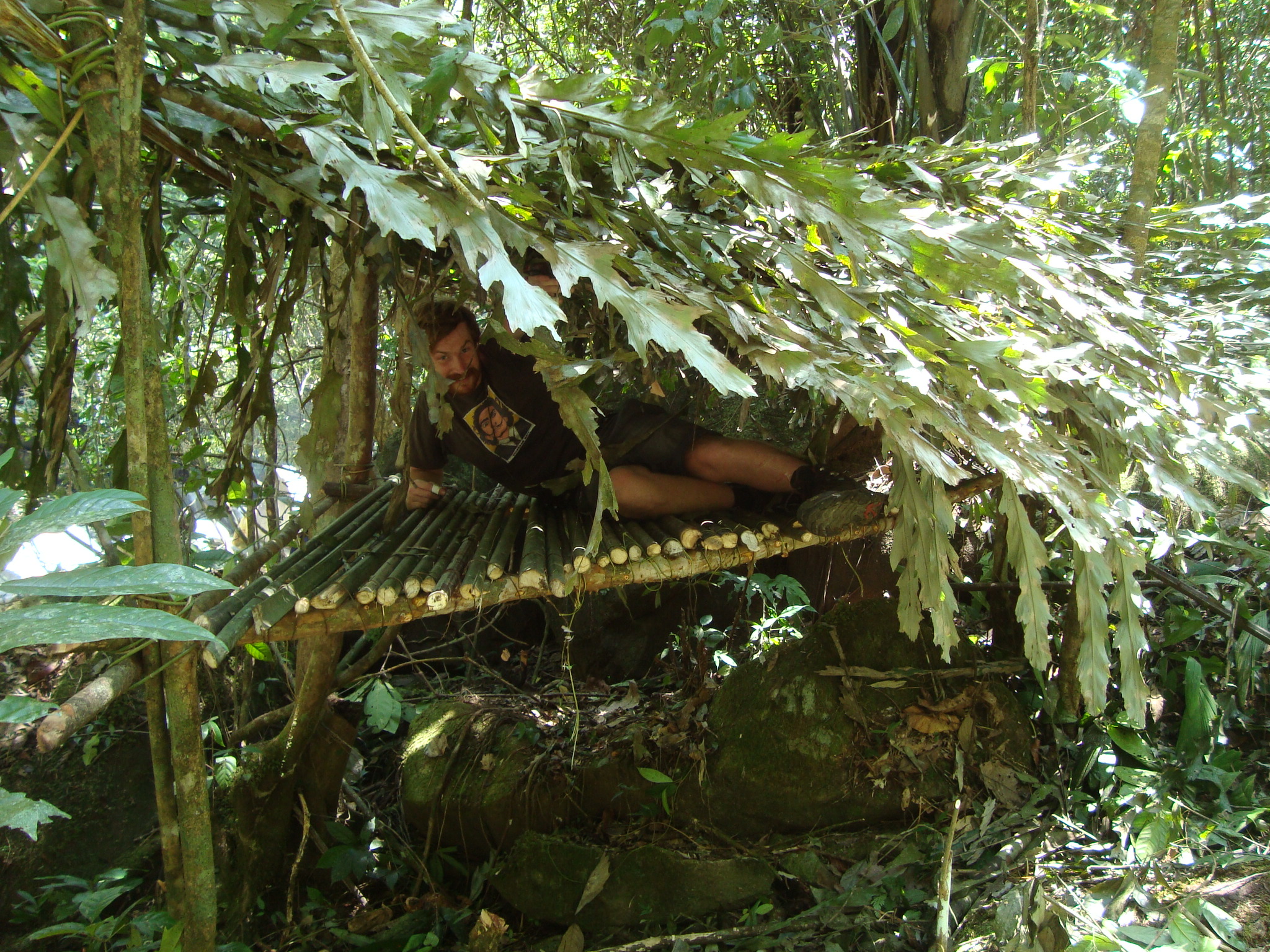
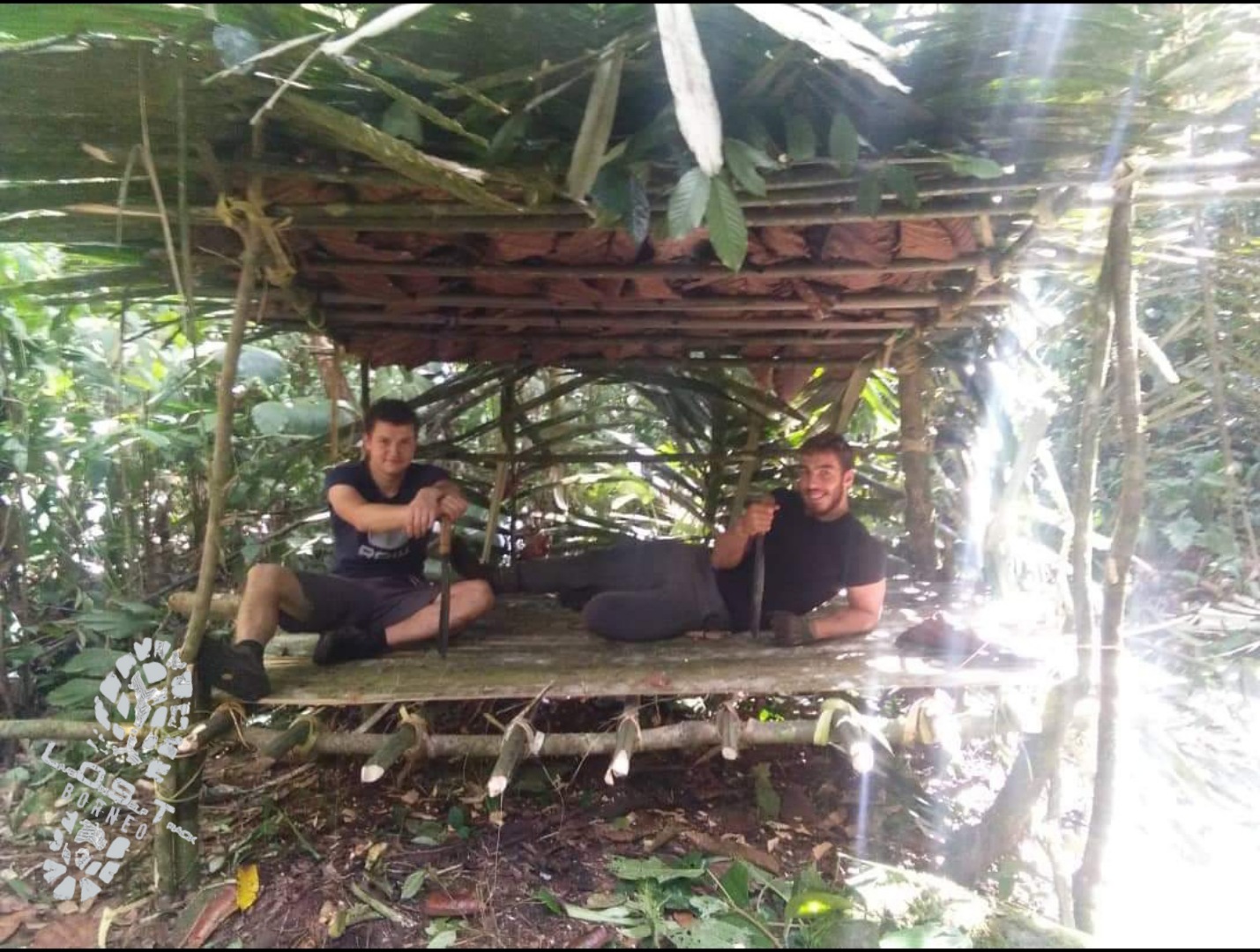
Our guide will teach you essential hands-on survival skills—including how to use a machete, find food and water, navigate through the jungle, master jungle craft, build a fire, cook in primitive ways, and more—as you trek deep into the wilderness.

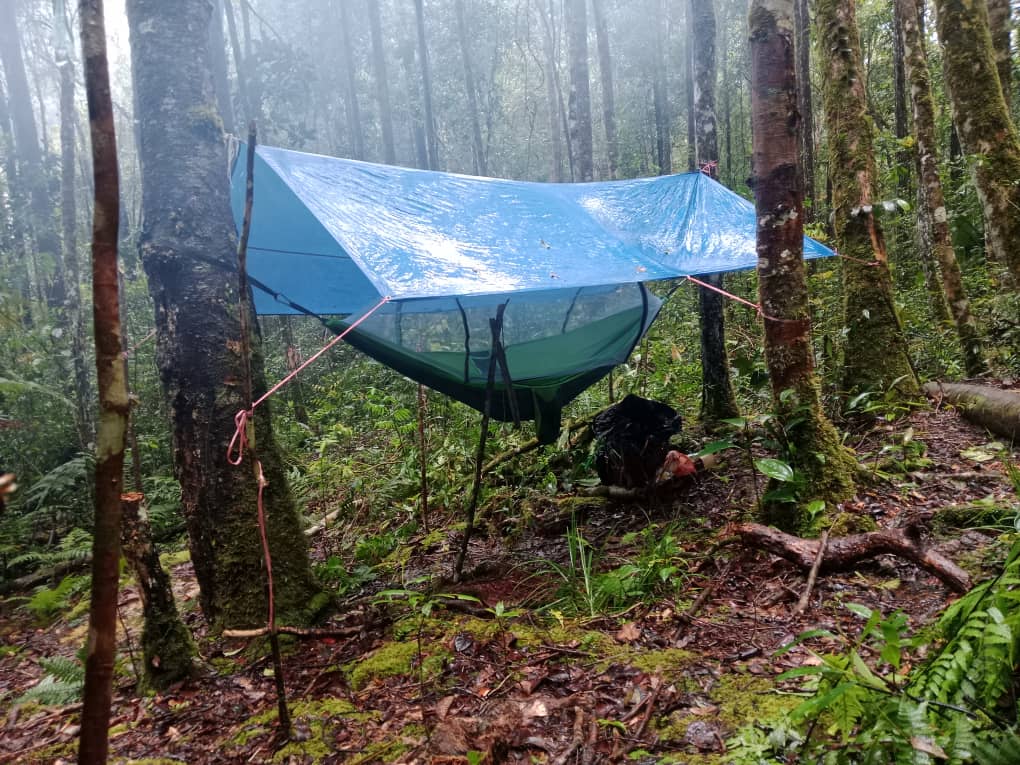
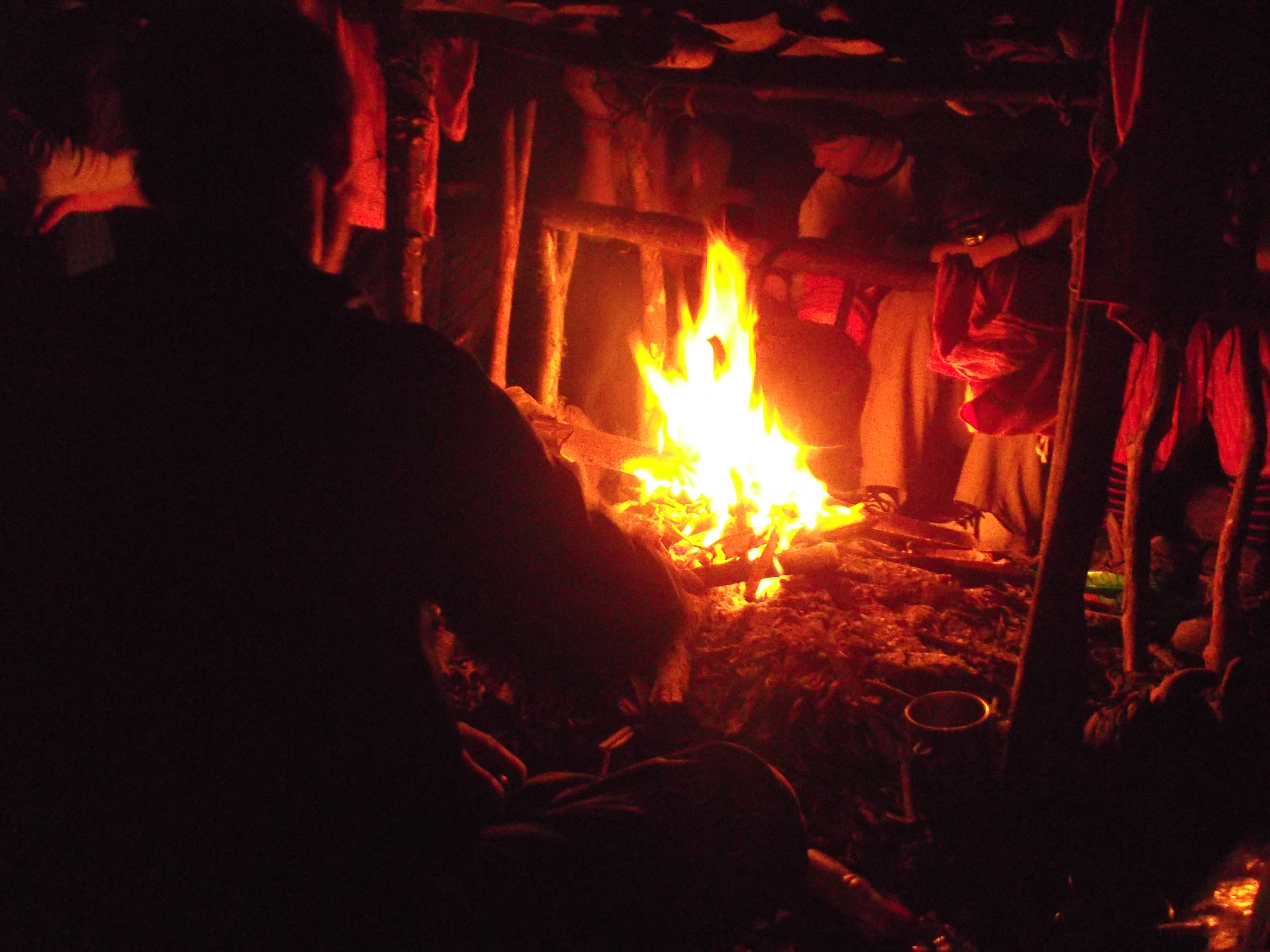
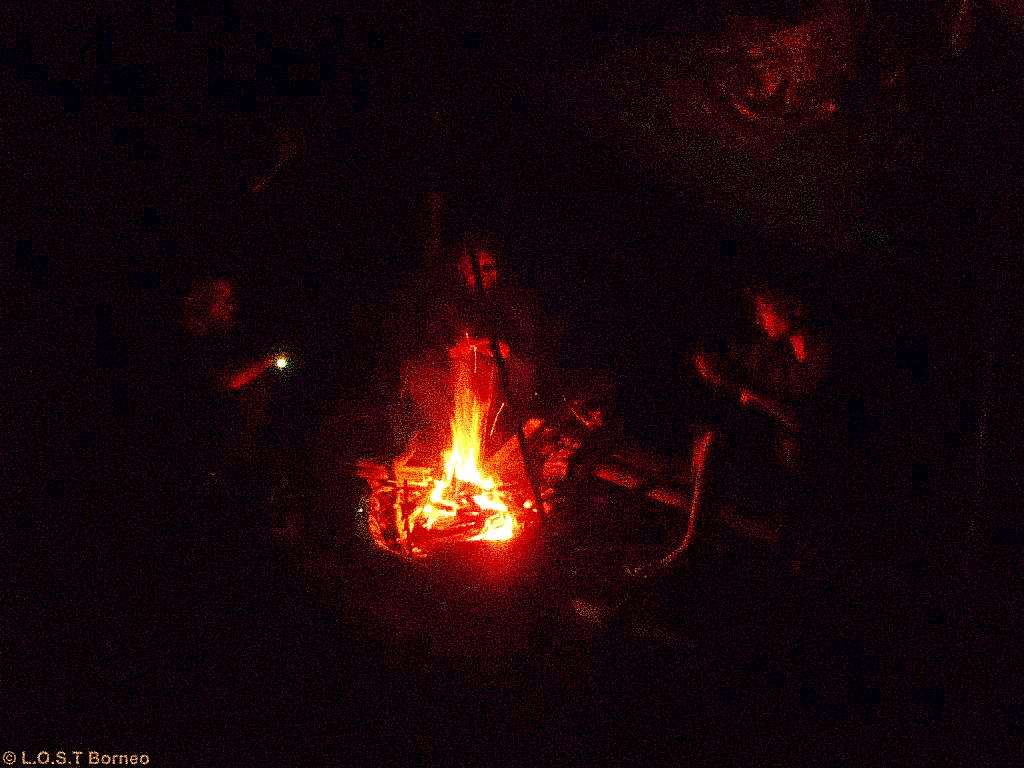
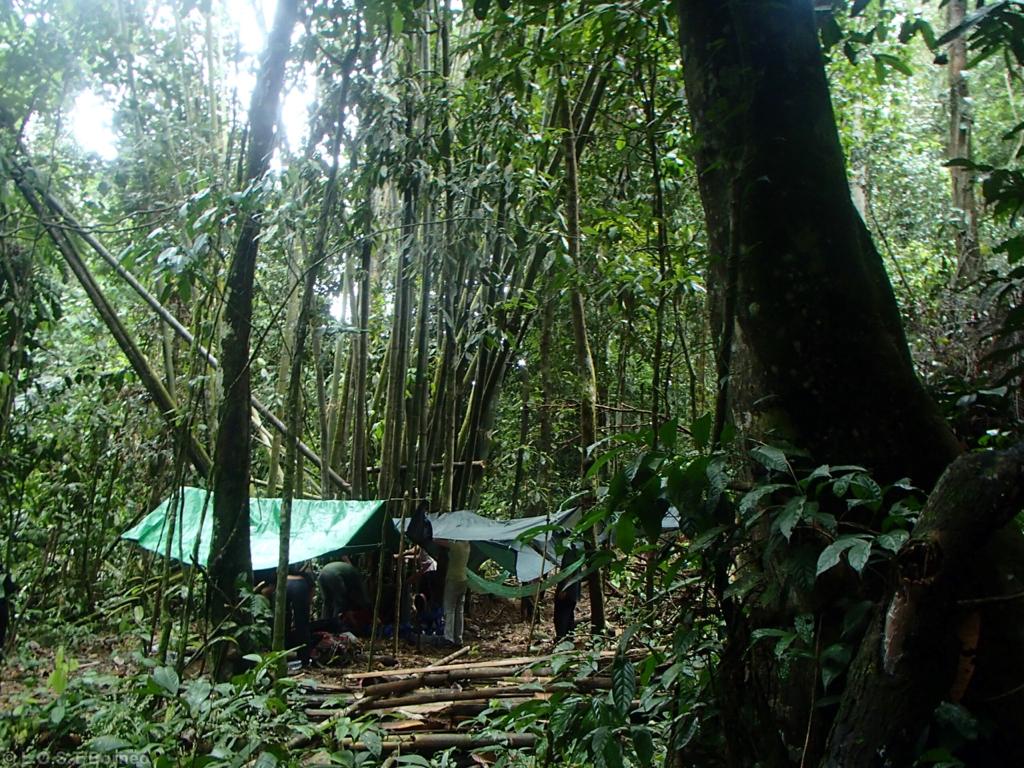
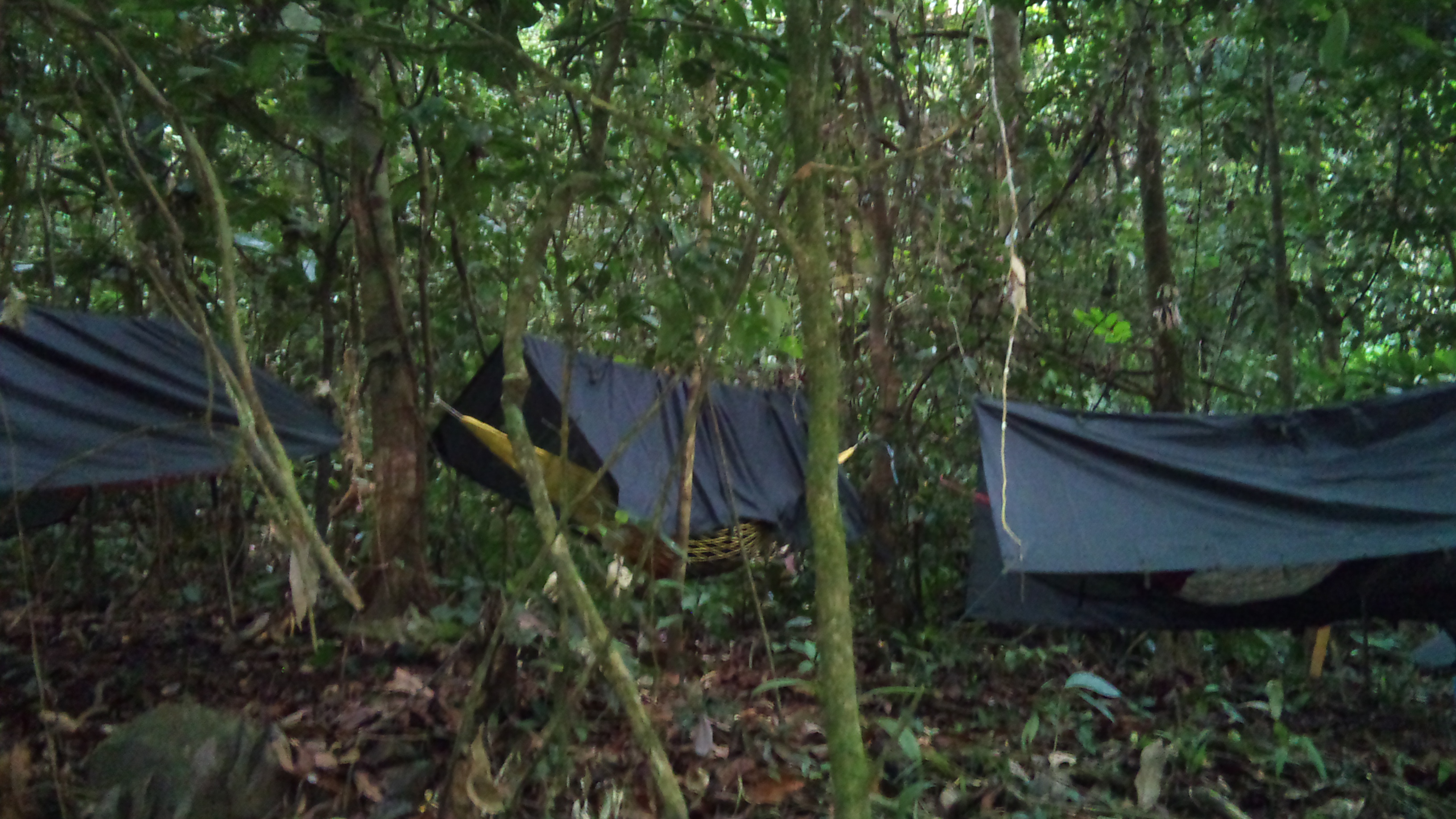
Sleeping in a hammock under a tarp in the jungle, with a campfire crackling nearby and the stars overhead, brings both freedom and vulnerability. Every night brings a new setting: hilltops with panoramic views, secluded valleys echoing with night sounds, riversides with the constant rush of water.

Please Note:
Wildlife sightings on this trip are limited due to factors like human noise, movement, and scent, which often cause animals to retreat before they can be seen. Additionally, many animals are naturally camouflaged, blending seamlessly into the jungle environment.

For a better chance to encounter wildlife, we recommend joining our Deramakot Forest Reserve wildlife safari trip specifically designed to maximise wildlife viewing opportunities.

Additional Information:

  • Perfect for travellers with vegan or vegetarian dietary as most of the food are greens collected from the jungle.
  • Long pants with t shirt and trekking shoes is a go to jungle fashion.
  • Bring 35-40 litres backpack, insect repellent, headlamp, long pants, sock and jumper for the night, toiletries, towel and flops. Leave extra space on your backpack to carry 2 bottles of water, hammock, tarpaulin and food that you collected from the jungle.

The Itinerary (2D1N/3D2N/4D3N)

Day 01 at 0800 hrs Meet your guide at your hotel lobby and travel 2 hours 30 minutes using a 4×4 vehicle to the starting point.

1030 hrs Start trekking into the jungle while learning the jungle skills.

1530 hrs Camp. Put up hammock. Collect firewood. Build up fire. Cook. Eat. Sleep.

Day 02 After breakfast, at 0830 hrs trek to the next location and learn more jungle skills. You will trek to the different locations every day depending on how many days you sign up for.

The final day you will trek to the ending point and get transferred from there at 1400 hrs back to Kota Kinabalu.

1600 hrs E.t.a Kota Kinabalu.

Tamu – The Native Market of Borneo

It is not a complete holiday in Sabah if you haven’t been to the local market which was held once in a week. Some district, on weekdays some on weekends.

According to the elders, it originate about 150 years ago or probably longer than that. Well whatever it is, it existed because of the need for necessities such as food, clothing and more.

It is not clear why it was called tamu, some say it derived from the word temu, in malay lingua it means ‘to meet’, some said it refer to ‘guest’ (tamu/tetamu). Back in those days where there is no calendar, the people here uses sun, stars to tell the time or season.

They use palm leaves and fold 7-10 knots on it, every sun rise they unfold the knot and use it as a window to prepare the goods that they intended to trade.

When the time comes men and women will trek for days into the undulating terrain of the jungle crossing rivers carrying their goods inside the traditional backpack called ‘bongun’ they usually travel by large group to avoid being ambushed by the notorious headhunters.

Tamu is a neutral ground for business propose, the tribal leaders take oath and sealed it with their blood placed on the oath stone as an agreement and mutual understanding that no blood will be spilled inside the perimeter.

Apart from business, the traders also use this opportunity to exchange or update information, gossiping, catching up …a friendship that are forged by trade. Some suggest that this is the place where the beginning of the intermarriage between different tribes in Sabah.

Throughout the years, the Tamu has evolved from barter trade to using money, Some items being sold became the trademark of the district, the well known Tamu ground eventually turns out as a popular tourist destination in Sabah.

As for the local it became as a place to find some rare cakes, medicinal plant or hand made items to name a few.

The younger generation are told by their parents look at this place as a reminder of who they are, their root and origin. Tourist walk into this place with their guide as he share the rustic story about the Tamu that slowly drag them into the ambiance of the lost olden days.

Personally the weekend Tamu held at Kota Belud district is the best because the “color” is still there. Last Sunday i took my wife and 7 year old son to Tuaran district, located about 45 minutes drive southwest from the city to find some ‘healthy’ vegetable, well the reason i call it healthy because nowadays it is hard to find vegetable grown without using pesticides, chemicals and what not.

Beside that, i personally felt that it is good to support their small businesses, the vegetable that they sell are normally hard to find at the supermarket or even at Kota Kinabalu wet market because it grows naturally inside the jungle.

If you are in Sabah or planning to come here for your holiday and stumble upon this article, here are the tamu ground that you should not miss.

1) Tamu Tamparuli – every Wednesday 1 hour drive from Kota Kinabalu.

2) Tamu Dongongon – every Thursday and Friday 15-20 minutes drive from Kota Kinabalu.

3) Tamu Kota Marudu – every Saturday 2 1/2 hours drive from Kota Kinabalu.

4) Tamu Kota Belud – every Sunday 1 hour 45 minutes drive from Kota Kinabalu.

5) Tamu Tuaran – every sunday 45 minutes from Kota Kinabalu.

6) Tamu Gaya Street – every sunday at Kota Kinabalu.

Of course the further you travel out from Kota Kinabalu the more authentic it becomes. Visit the Tamu at one of the locations that i mentioned and share what is your experience.

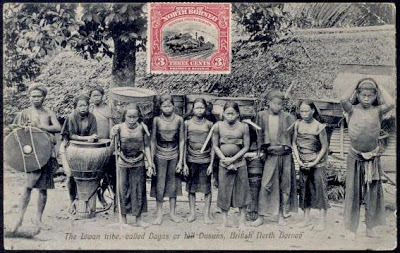
Pic. from The North Borneo Stamp