
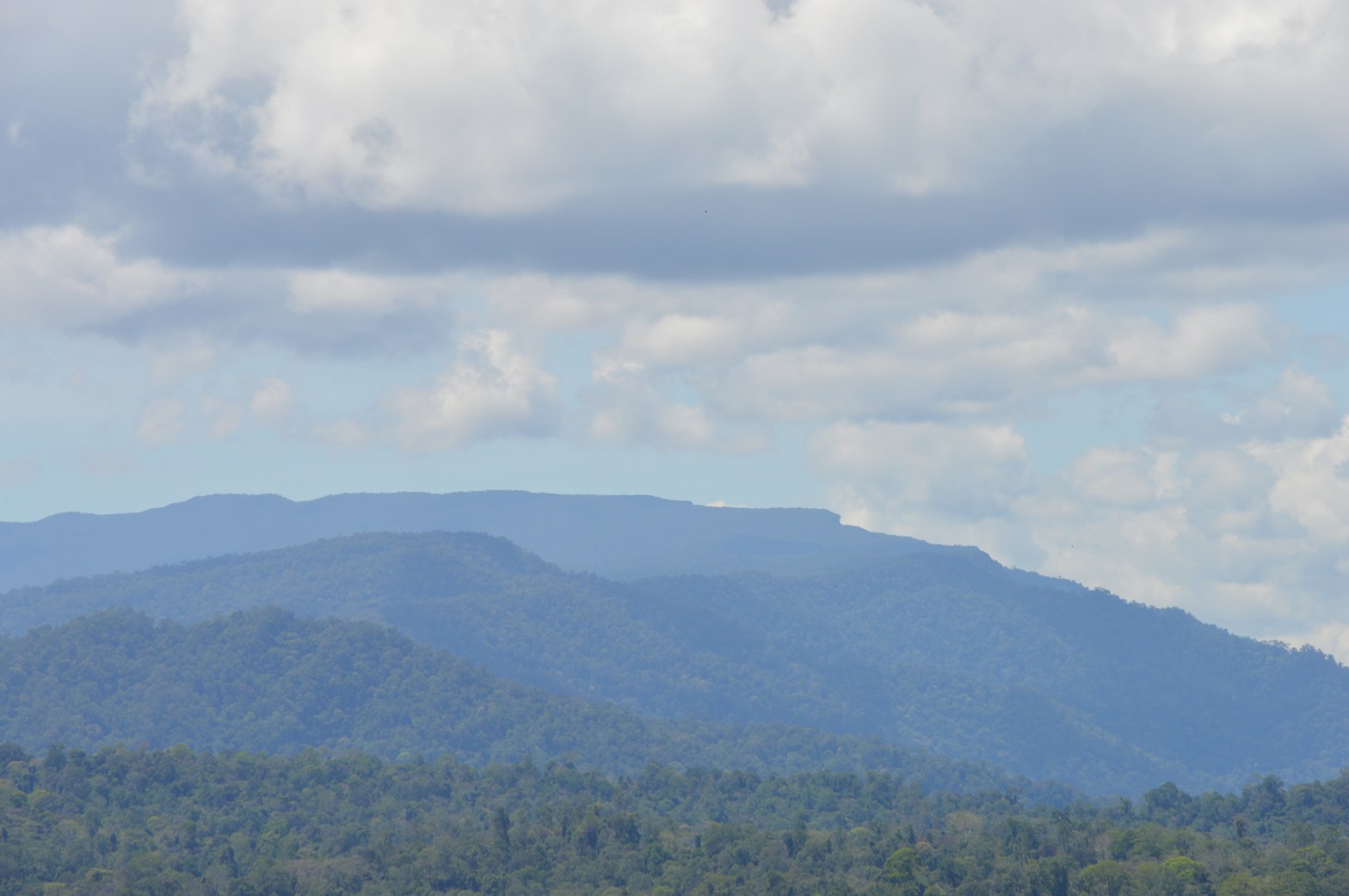
Travel Guide to Maliau Basin: Sabah’s Lost World
Introduction
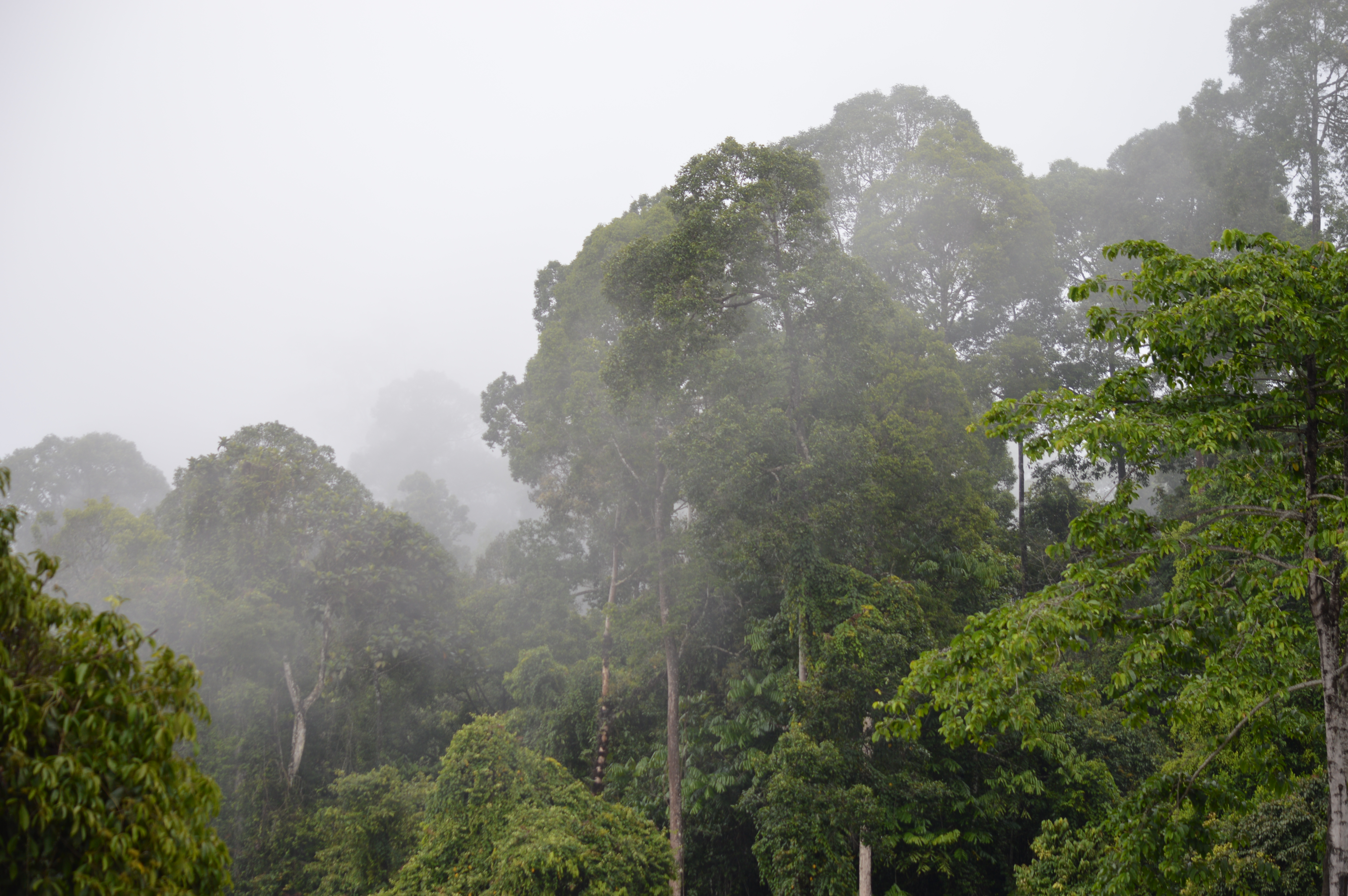
Nestled deep in the heart of Sabah, Malaysian Borneo, lies the Maliau Basin — often referred to as “Sabah’s Lost World.” A haven for adventurers, nature lovers, and wildlife enthusiasts, Maliau offers a chance to explore one of the most pristine and biologically diverse rainforests on Earth. Home to rare species, ancient trees, and breathtaking landscapes, it’s an experience that will stay with you long after the journey ends.
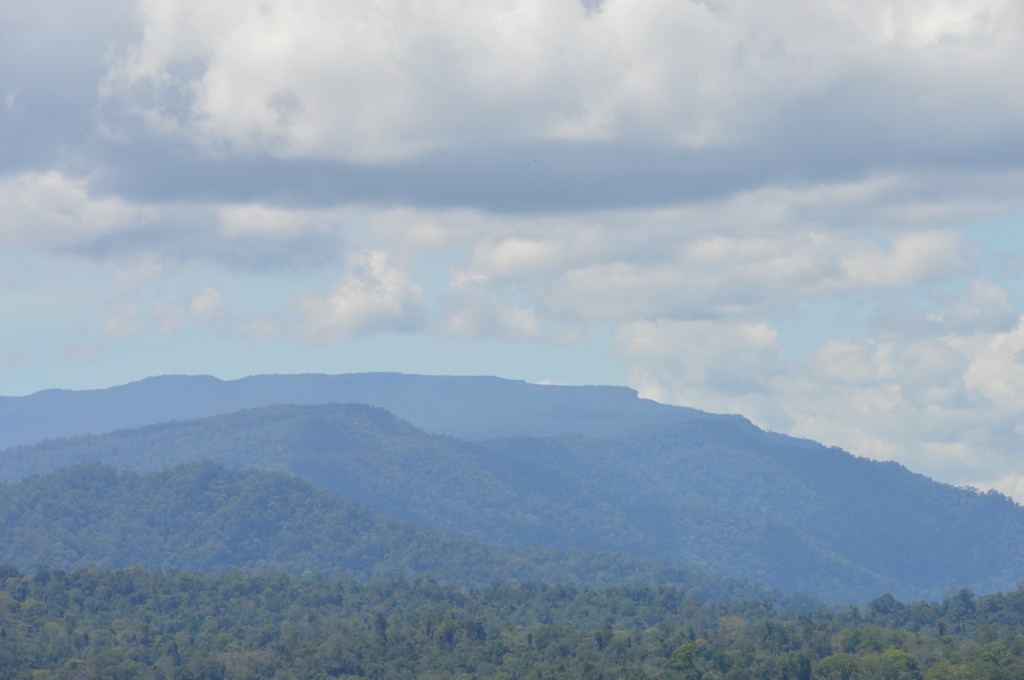
- Discovery and Exploration
Untouched until the 20th century: Despite being known to local indigenous communities, the basin remained largely unexplored by outsiders until 1947, when a pilot flying over the area noted its massive, bowl-shaped structure.
First scientific expedition in 1988: Organized by Yayasan Sabah and WWF-Malaysia, this was the first major attempt to study the basin. Scientists were astounded by the richness of life and the geological formations.
- Geological Significance
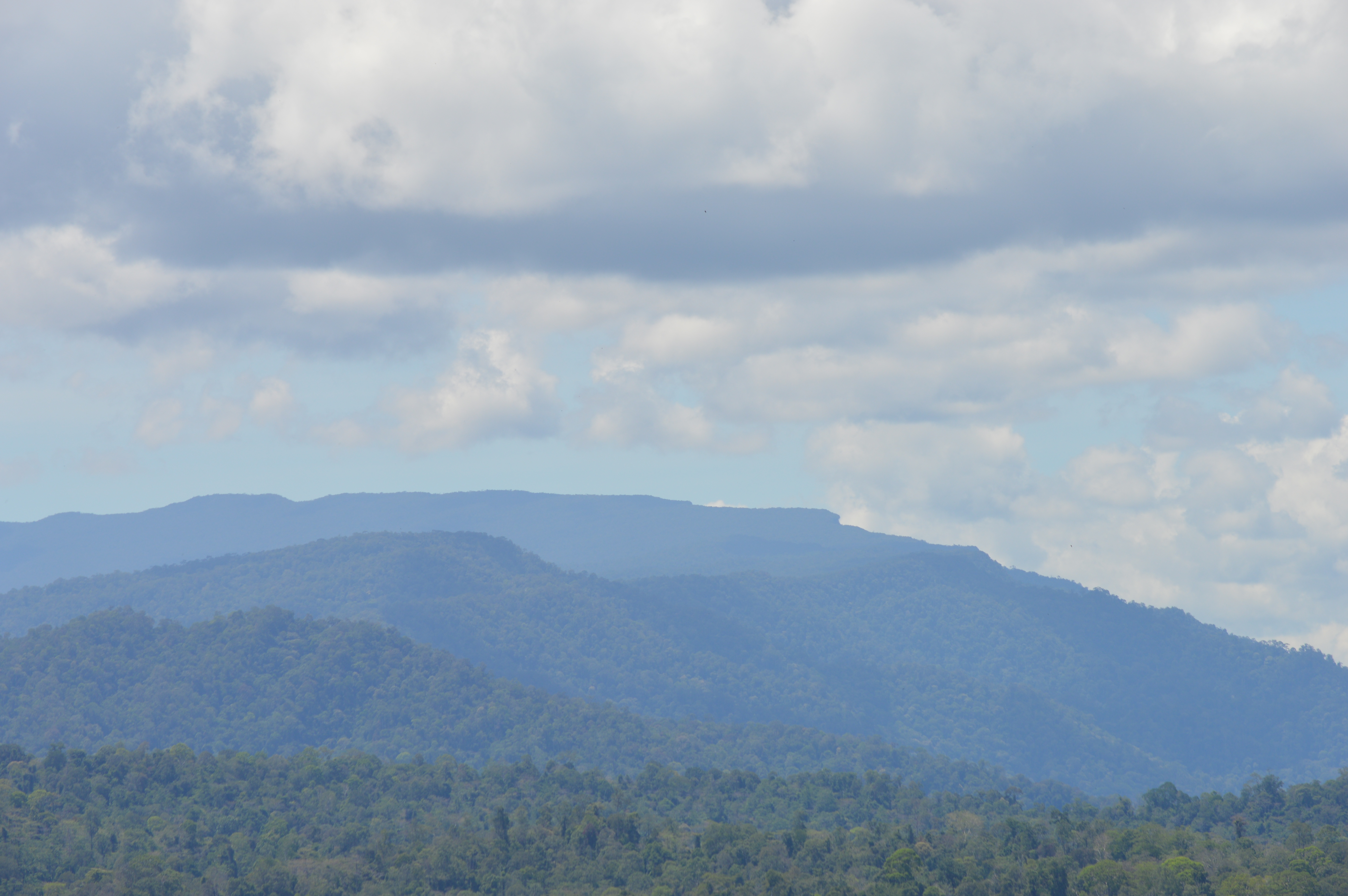
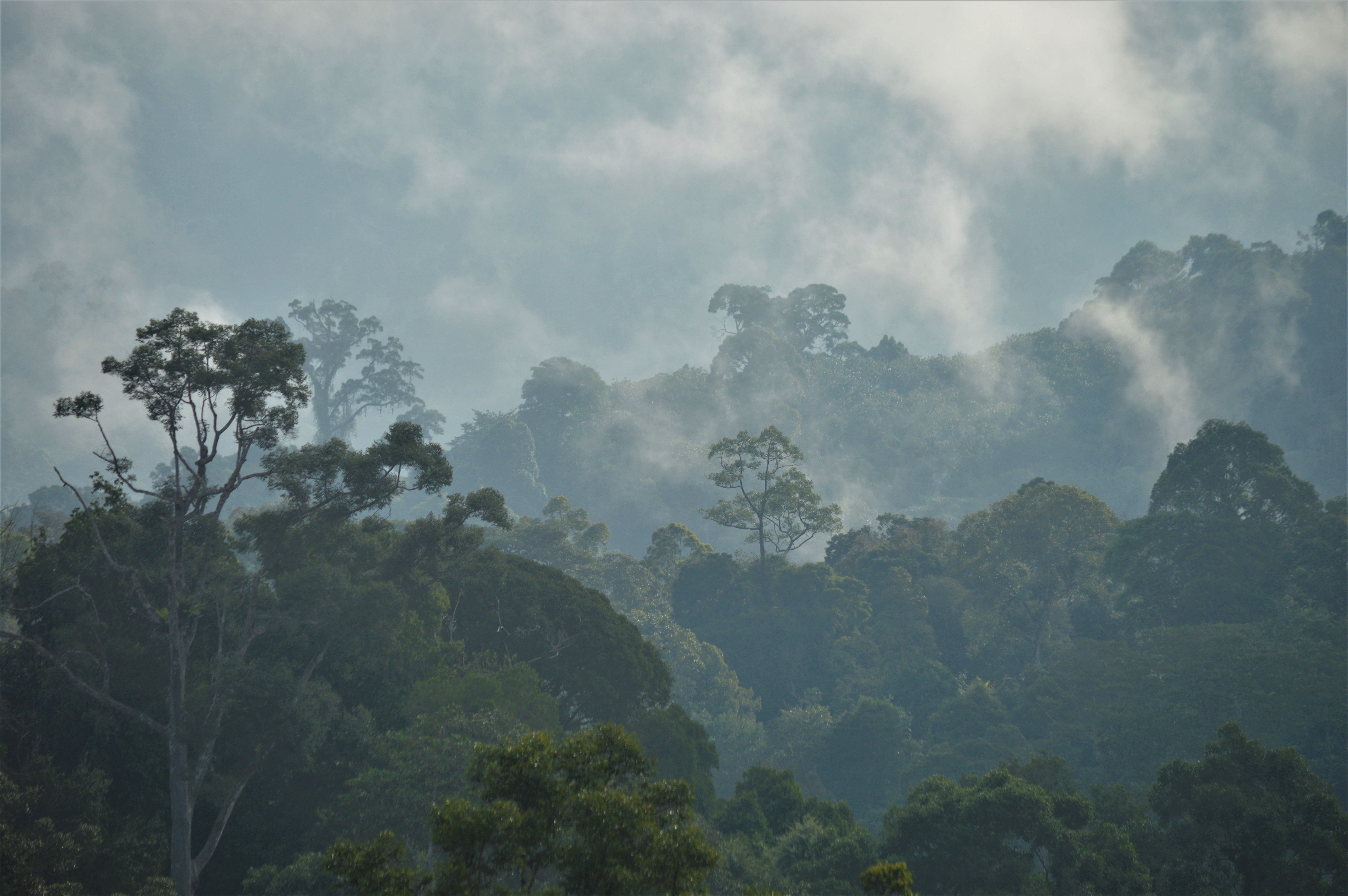
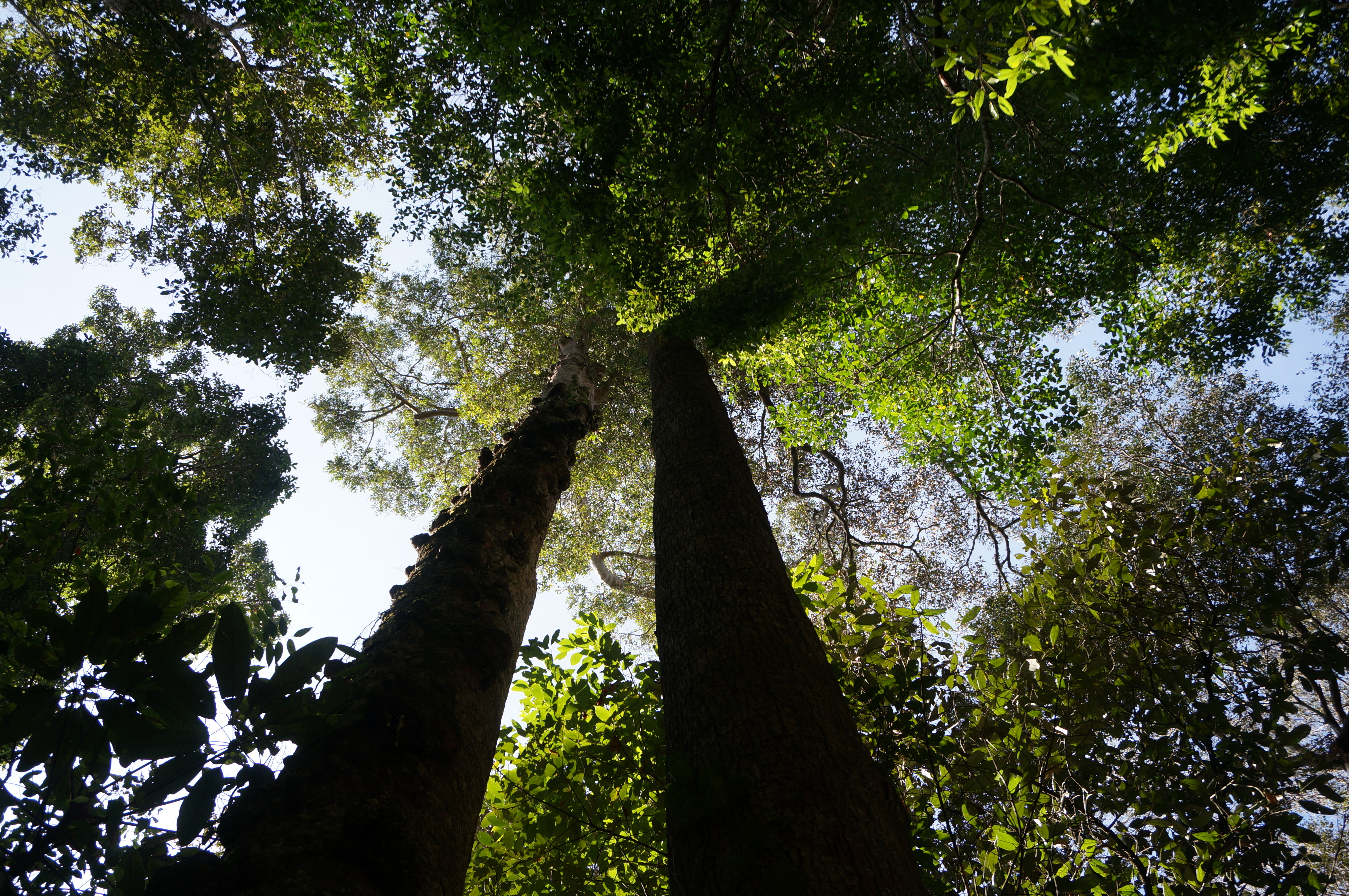
The Maliau Basin is an ancient, almost circular sandstone basin over 130 million years old, with steep escarpments up to 1,500 meters high, encasing a near-pristine rainforest ecosystem.
It’s essentially a self-contained ecological “crater”, isolated by its rugged terrain.
- Biodiversity Hotspot
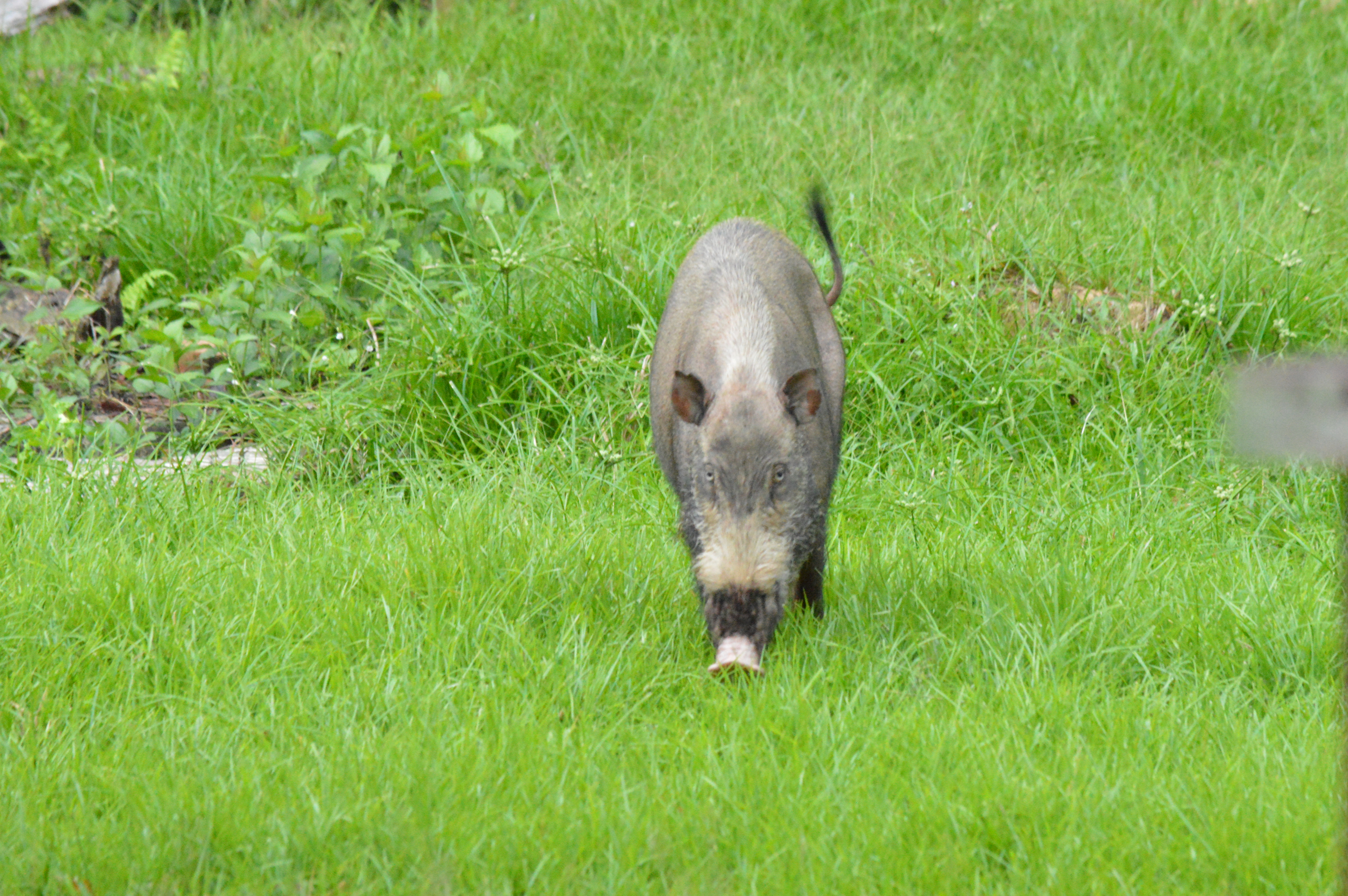
Despite covering only 588 square kilometers, it hosts a stunning array of species: over 1,800 plant species, 80+ mammal species, 300+ bird species, and countless insects and fungi.
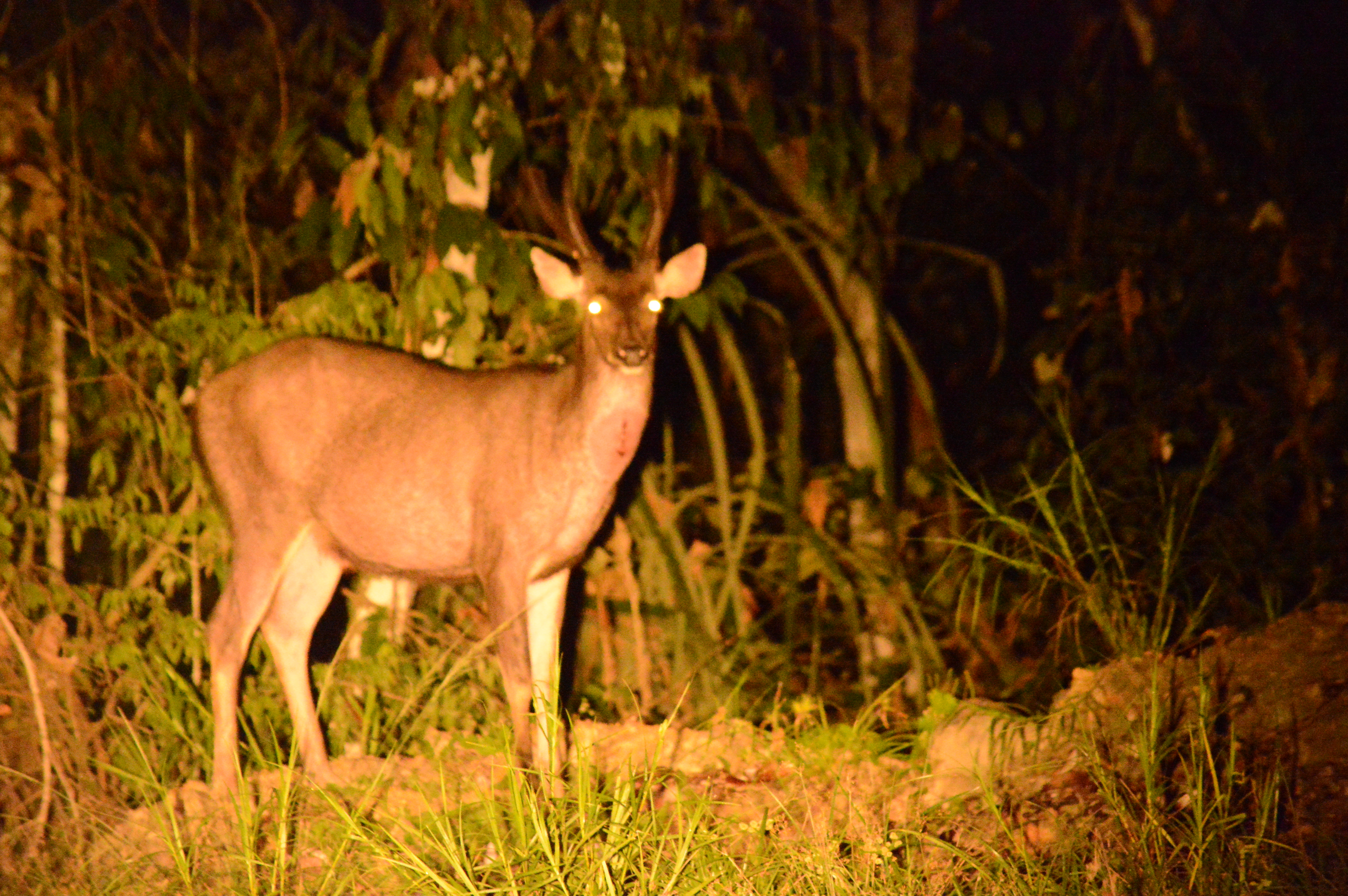
Notable wildlife includes orangutans, clouded leopards, pygmy elephants, and rare pitcher plants and orchids.
- Cultural and Conservation Importance
Indigenous Muruts and other communities live on the periphery and have traditional knowledge of the area.
It was gazetted as a Class I Protection Forest Reserve in 1997 and is part of the Heart of Borneo conservation initiative.
The Maliau Basin Studies Centre supports ongoing research and eco-tourism with strict environmental guidelines.
Maliau remains one of the least explored rainforest regions in the world, a living laboratory for science and a symbol of Sabah’s natural heritage. Want to dive deeper into its flora, fauna, or any famous expeditions?
How to Get There
- Fly to Tawau
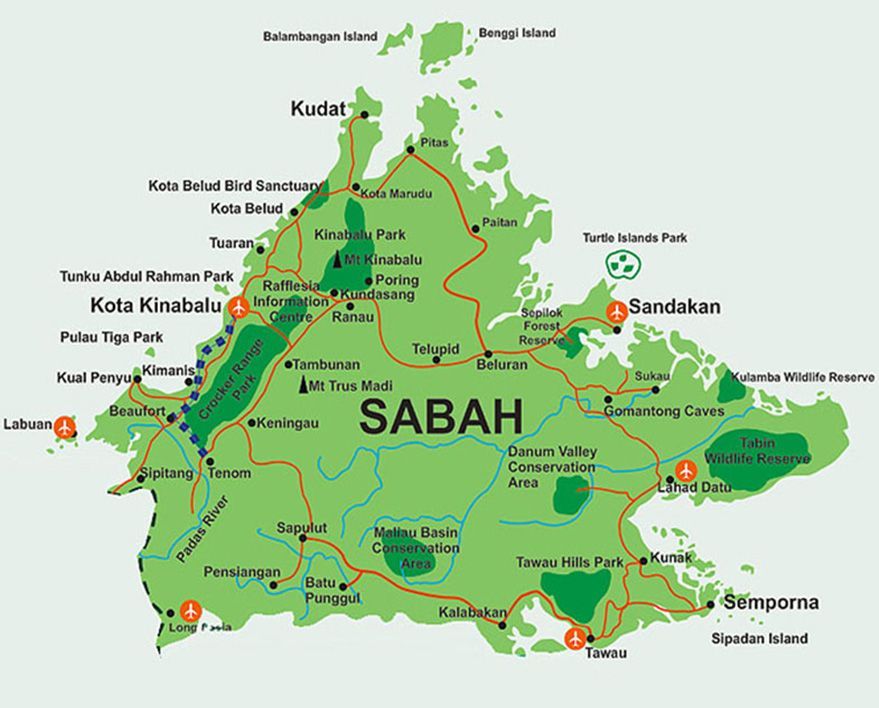
The nearest airport to Maliau Basin is Tawau, located approximately a 4-hour drive from the basin’s entrance. You can reach Tawau via domestic flights from Kota Kinabalu, the capital of Sabah. Airlines like Malaysia Airlines and AirAsia operate flights regularly to Tawau. - 4WD Transport to Maliau Basin Studies Centre (MBSC)
From Tawau, you’ll need to arrange a 4WD ride to the Maliau Basin Studies Centre (MBSC). The road can be rugged, bumpy, and muddy, but it’s part of the adventure. It’s recommended to book a guided tour package that includes transportation and permits to ensure a smooth journey.
Tour Operator:
Lost Borneo Tours: They offer guided expeditions to Maliau Basin, including transport, accommodation, and meals.
Sabah Parks: You can book trekking permits and basic packages directly through them.
Tip: If you’re traveling independently, it’s essential to confirm your transport arrangements with your tour operator in advance, as it can be tricky to secure transport on your own.
Best Time to Visit
The best time to visit Maliau Basin is during the dry season (March to October) when the weather is more stable, and trails are less slippery. The monsoon season (November to February) brings heavier rain, making the trails difficult to navigate.
Tip: Maliau Basin is incredibly humid year-round, so prepare for some level of rain, even during the dry season. Having light rain gear will be essential.
What to Pack
Here’s a list of essentials to pack for your adventure:
- Hiking Gear
Sturdy hiking boots (waterproof and designed for muddy trails)
Trekking poles (optional but recommended for steep terrain)
A small daypack for essentials (water, snacks, camera, etc.)
- Clothing
Long-sleeve shirts and pants to protect from leeches and insect bites
Breathable clothing (moisture-wicking fabrics are best)
Light rain jacket or poncho (even in dry season)
- Safety and Essentials
Insect repellent (with DEET for mosquitoes and leeches)
Sunscreen (the jungle can still get quite sunny!)
Headlamp or flashlight (with extra batteries for night walks or emergencies)
- Camera Equipment
A good camera for capturing wildlife, landscapes, and unique flora
Extra batteries and memory cards (as there are few opportunities to charge gear)
Trekking in Maliau Basin
There are various options for trekking in Maliau Basin, whether you’re looking for a short hike or a multi-day expedition.
- Day Hikes
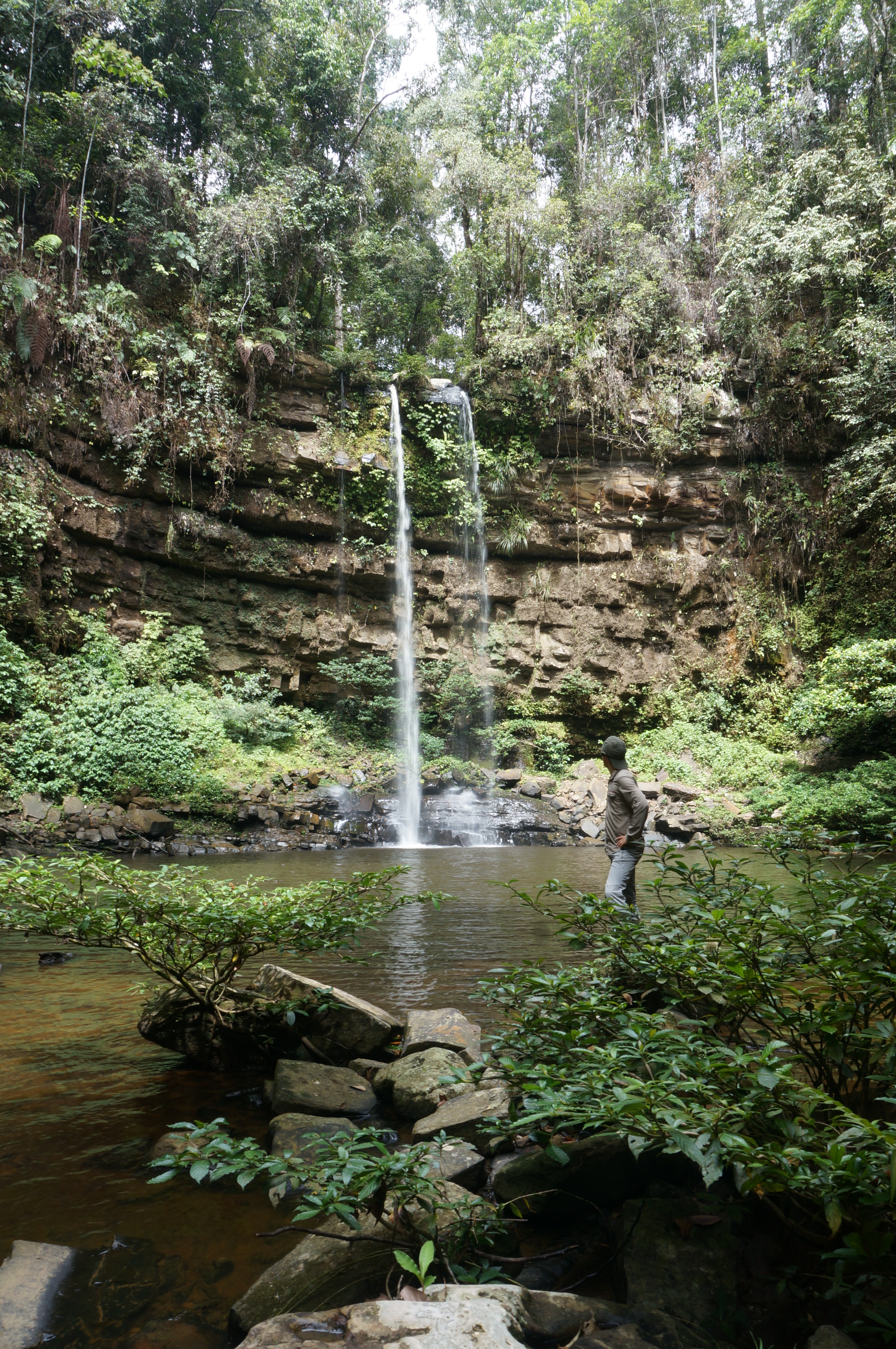
Waterfall Trails: A popular trail is the hike to Maliau Falls, a magnificent seven-tiered waterfall hidden deep within the basin. The hike takes around 2-3 hours each way.
Canopy Walk: For a more leisurely exploration, the Maliau Basin Canopy Walkway offers stunning views of the rainforest from above and is a great way to experience the biodiversity of the basin.
- Multi-Day Expeditions
If you’re up for a challenge, consider a 4-6 days trek through the basin, which will take you through several ecosystems — from tropical rainforests to montane grasslands. The trek includes river crossings, steep ascents, and camping along the way.
Wildlife Viewing: You may catch glimpses of the elusive Bornean pygmy elephant, clouded leopards, and rare bird species like the Bornean Bristle head.
Tip: Multi-day treks require booking in advance. Permits are issued by Sabah Parks and must be arranged through a tour operator.
Accommodation Options
Maliau Basin Studies Centre (MBSC): The MBSC provides basic but comfortable accommodations. There are dormitory-style rooms and basic meals available. It’s the hub for visitors and the starting point for all treks.
Tip: Booking your accommodation at MBSC well in advance is essential, especially during peak seasons. Contact Sabah Parks or your tour operator for availability.
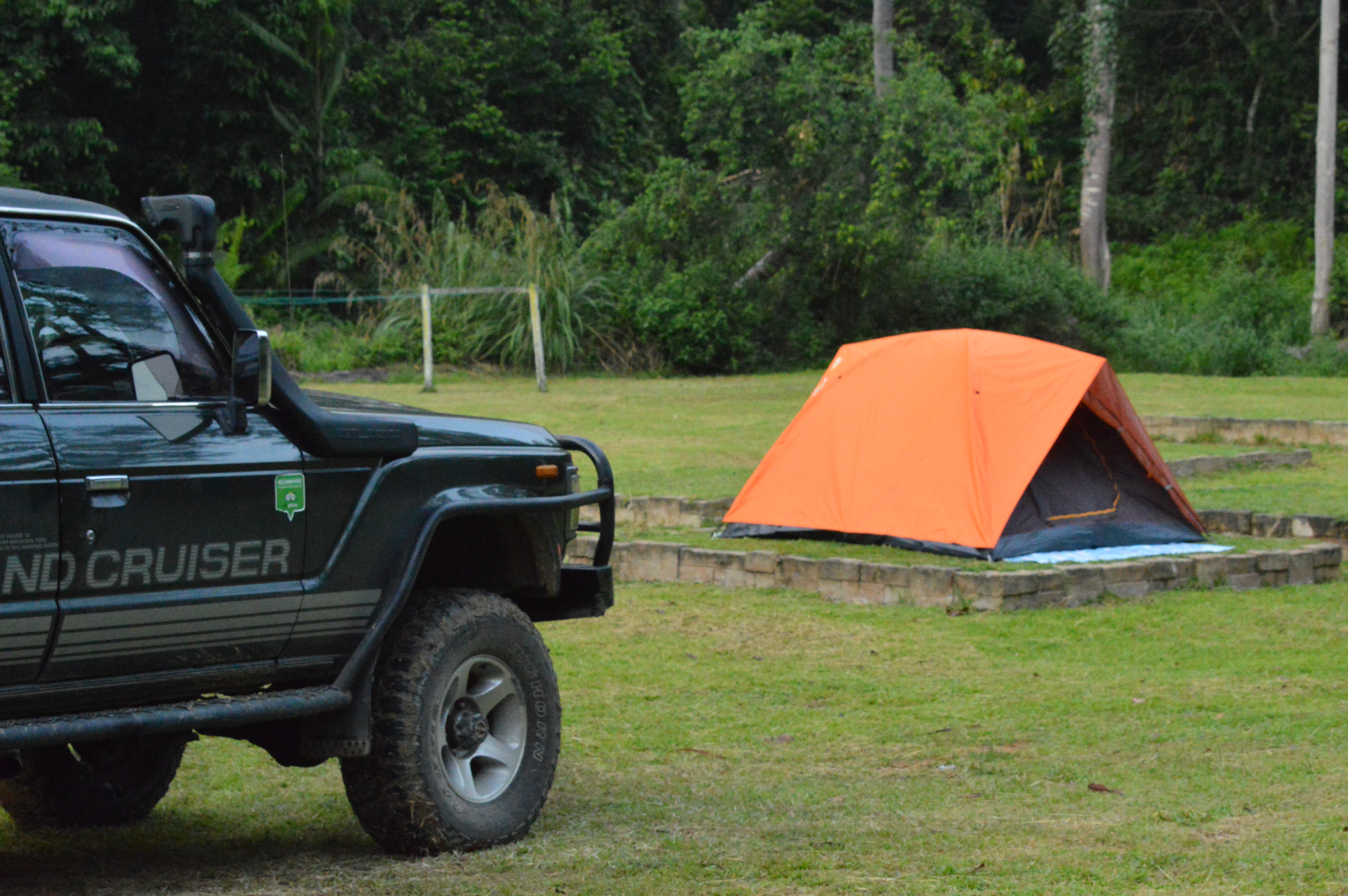
Camping: For a more immersive experience, you can opt to camp in the basin, though this requires permits and prior arrangement with Sabah Parks. Camping adds an extra element of adventure, but make sure you have appropriate gear, as the jungle can get cold at night.
Wildlife and Nature
Maliau Basin is home to an extraordinary range of wildlife, including:
Bornean pygmy elephants
Clouded leopards
Sun bears
Endemic bird species like the Bornean Bristlehead
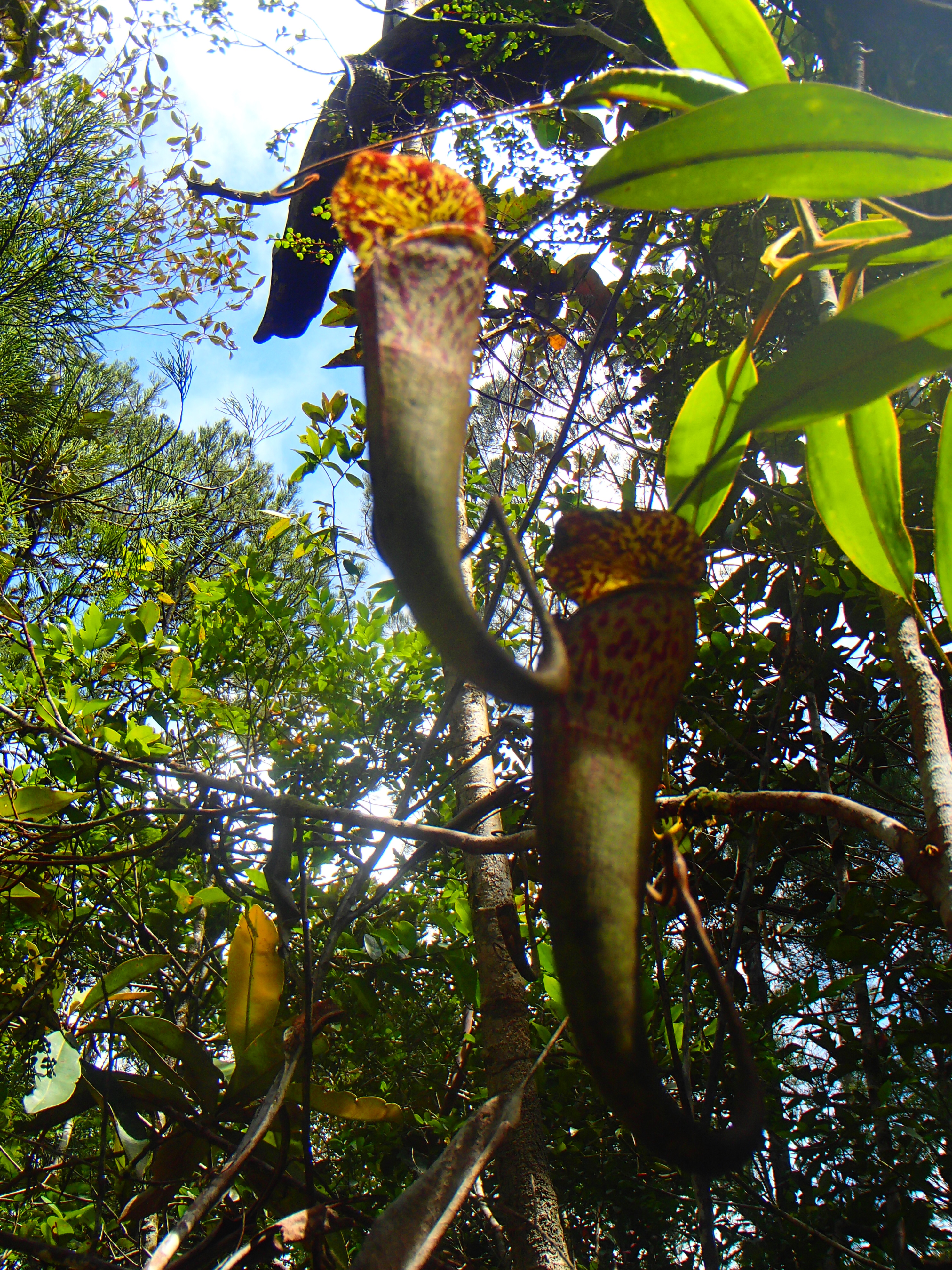
Though sightings are rare due to the dense forest and the elusive nature of the animals, the Basin offers a spectacular range of flora and fauna, including carnivorous pitcher plants, orchids, and lianas.
Tip: Bring binoculars for birdwatching and a good camera for wildlife photography. If you’re a dedicated wildlife enthusiast, consider booking a specialized wildlife tour with expert naturalists.
Permits and Regulations
Visiting Maliau Basin requires a permit which can be arranged via Sabah Parks or tour operators. For trekkers, permits must be obtained for all multi-day hikes. It’s recommended to book through a licensed tour operator, which will handle all necessary paperwork, permits, and guide services.
Guides
A licensed guide is mandatory for all trekking activities within Maliau Basin. These guides are knowledgeable about the terrain, wildlife, and local culture and will ensure your safety throughout the journey.
Safety Tips
- Trekking Safety:
Trekking in Maliau Basin is challenging. Ensure that you are physically prepared for a multi-day hike in rugged terrain.
Carry a first-aid kit, including bandages, antiseptic, painkillers, and insect bite treatments.
Trek with a guide and never go alone — it’s easy to get lost in the dense jungle.
- Wildlife Safety:
Keep a safe distance from wildlife. While Maliau is home to rare animals, it’s important to respect their space.
If you encounter a wild animal, avoid loud noises and make yourself known without startling the creature.
- Weather Preparedness:
The rainforest can be unpredictable. Always carry rain gear and be prepared for sudden downpours.
Stay hydrated but be cautious about water sources; it’s best to bring bottled water or water purification tablets.
Final Tips
Plan in Advance: Maliau Basin is a remote and protected area. It’s essential to plan your trip well in advance, especially if you’re booking guided treks, accommodation, and permits.
Travel Insurance: Consider purchasing travel insurance that covers trekking and remote areas, as Maliau Basin is quite far from medical facilities.
Conclusion
Maliau Basin offers one of the last unspoiled wildernesses on the planet. Whether you’re seeking an adrenaline-packed adventure or a peaceful retreat into nature, Maliau promises a unique and unforgettable experience. Follow the trail, take only memories, and leave only footprints in this natural wonderland.
The Itinerary
Day 01 Kota Kinabalu – Maliau Basin Study Centre (MBSC)
0800 hrs Pick up from hotel at Kota Kinabalu, along the way stop by at Sapulot town for lunch.
0300 hrs Arrive at Maliau Basin entrance gate, documentation, proceed to Maliau Basin Studies Centre. Afternoon safari (wildlife spotting)
1700 hrs Registrations at Maliau Basin reception and briefing by ranger in charge about things to bring during the trek and do’s and don’ts.
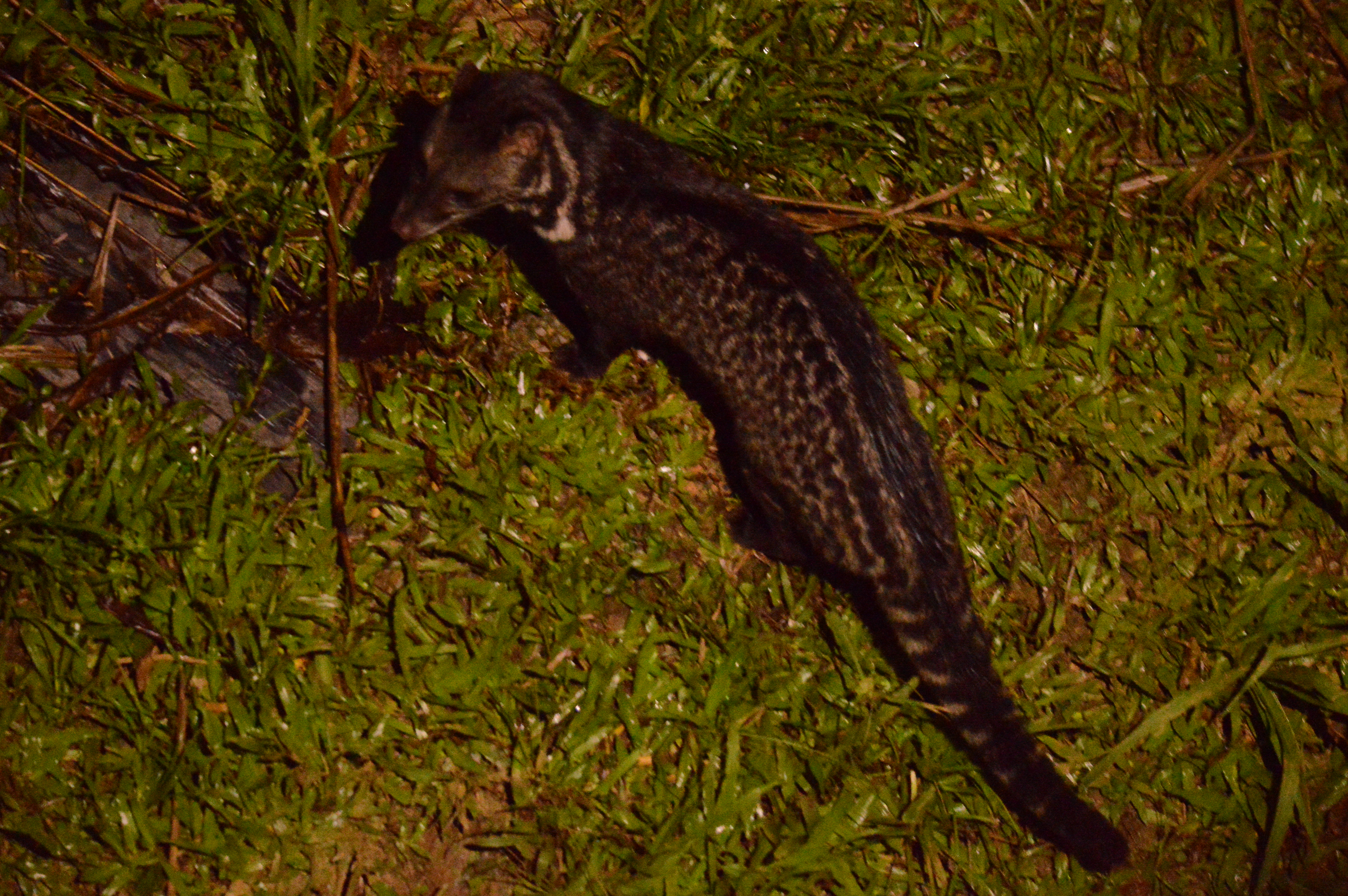
2100 hrs After dinner and short video presentation about Maliau Basin embark on a night safari for 1 hour 30 minutes. Free at leisure/Rest.



Day 02 MBSC – Agathis Camp – Nepenthes Camp
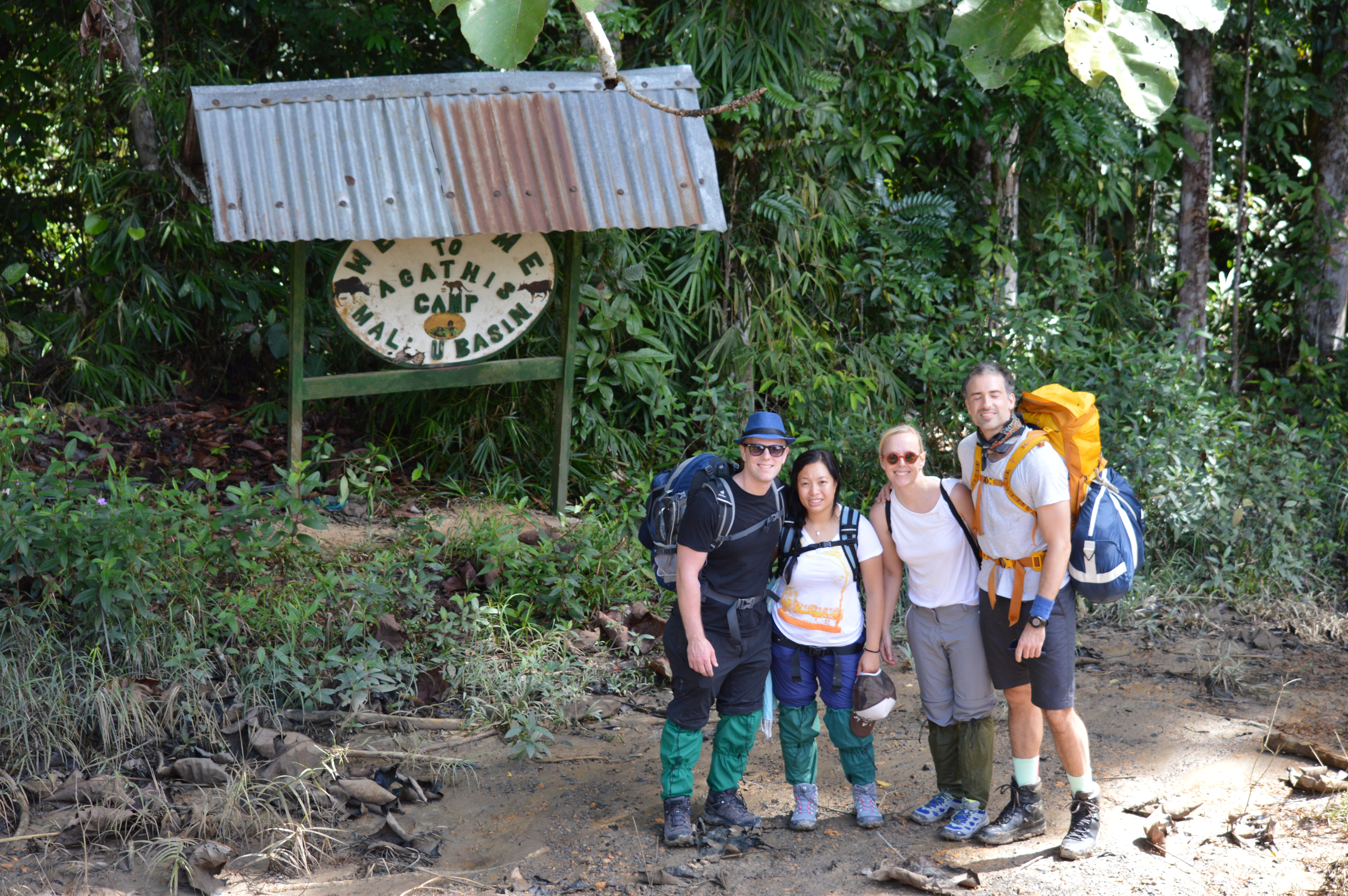
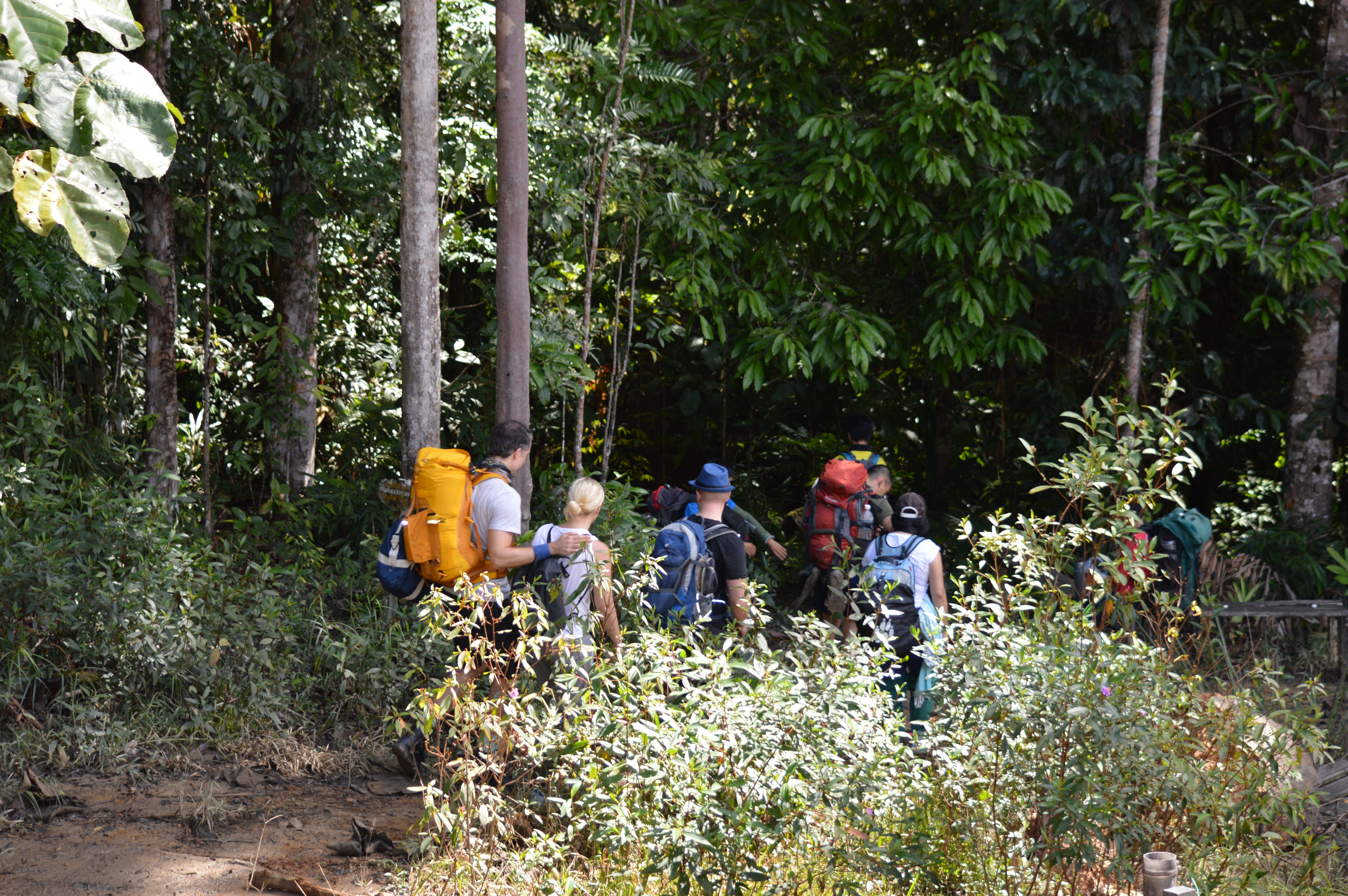
0830 hrs Transfer to Agathis Camp shortly after breakfast and trek for 7.5km to Nepenthes Camp. Packed lunch.
1400 hrs Expected to arrive at Nepenthes Camp. Check in and continue trekking to Giluk Falls.
**depend on arrival time and weather. Ranger in charge will make the final decision for the water fall trek due to safety reason.
1900 hrs Dinner/Free at leisure.


Day 03 Nepenthes Camp
0800 hrs After breakfast pack for day trip, bring along packed lunch and start trekking Takob Akob, Fowzi and Giluk falls.
1700 hrs Arrive back at Nepenthes Camp. Dinner/Free at leisure.
DAY 4 Nepenthes Camp – Ginseng Camp
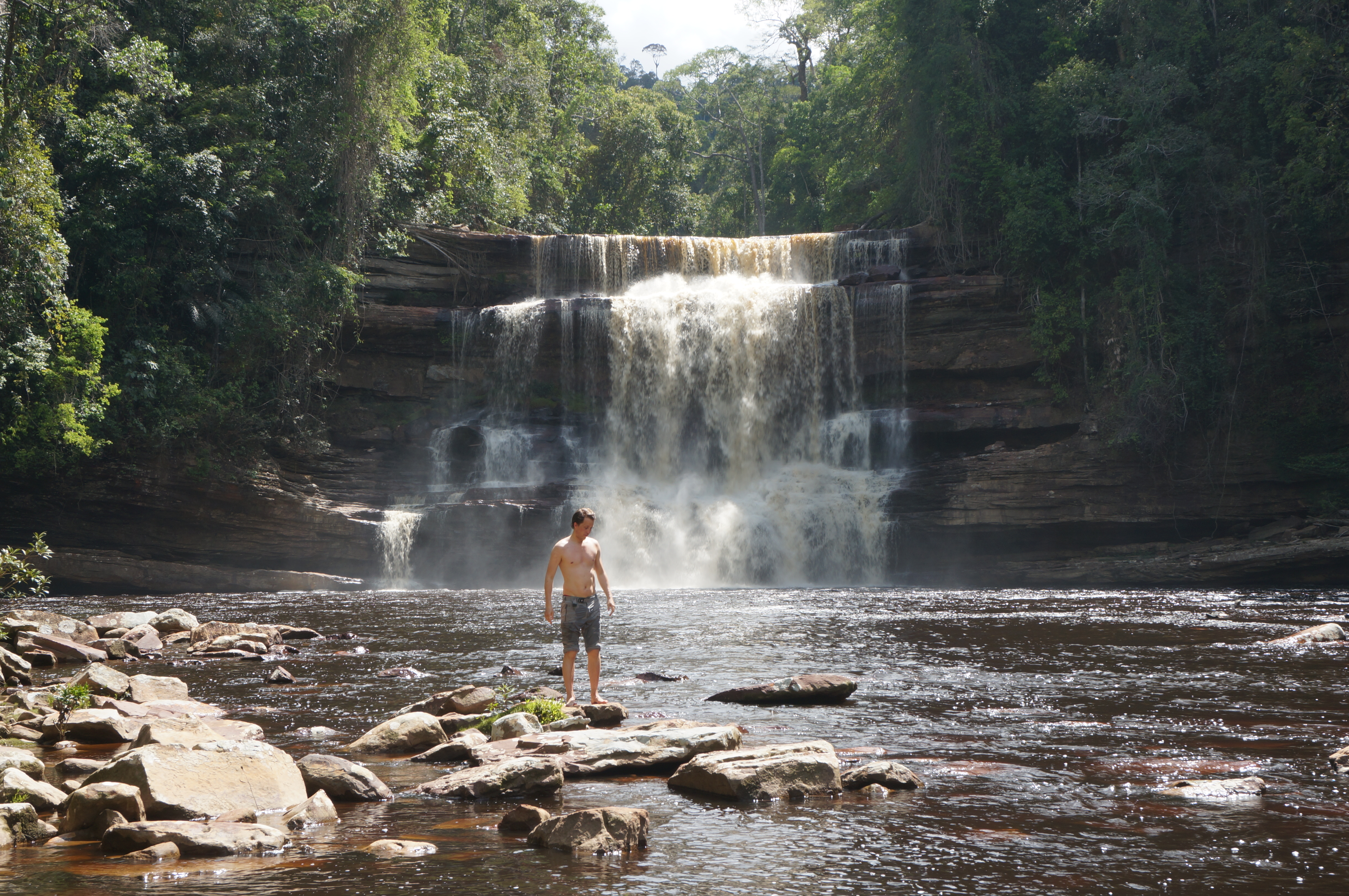
0700 hrs Breakfast, check out and trek about 12.5km to the iconic Maliau Falls. Along the way Lunch (packed) at the waterfall junction, after lunch de tour steep downhill for 5km (3 hours) to Maliau Fall.
1600 hrs Trek from the fall and back to the junction and proceed to Ginseng Camp about (700m from the junction)
1900 hrs Expected to arrive at Ginseng Camp, check in.
2030 hrs Dinner/Free at leisure.
DAY 5 Ginseng Camp – Kota Kinabalu
0700 hrs Breakfast, short 300m trek to Ginseng Fall and back for group photo.
0815 hrs Check out and get ready for final 9km trek on an undulating and mostly downhill terrain back to Agathis Camp, lunch along the way (packed lunch)
1400 hrs Expected to arrive at Agathis Camp and drive to Maliau Basin entrance for checking out documentation.
1530 hrs Drive from Maliau Basin entrance back to Kota Kinabalu approximately 7-hour along the way stop by for dinner at Keningau town.
0000 hrs E.t.a at Kota Kinabalu.
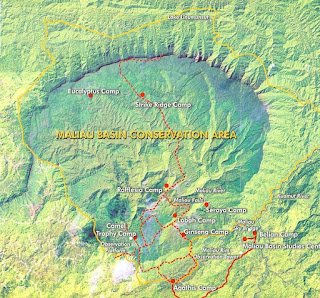
A number of basic accommodation facilities in the form of research stations (Agathis, Nepenthes, Ginseng, Seraya, Lobah, Eucalyptus, Strike Ridge), ranging from basic camping areas to well-equipped permanent structures are available in and on the periphery of MBCA. The Stations are located along a series of trails.
AGATHIS RESEARCH STATION
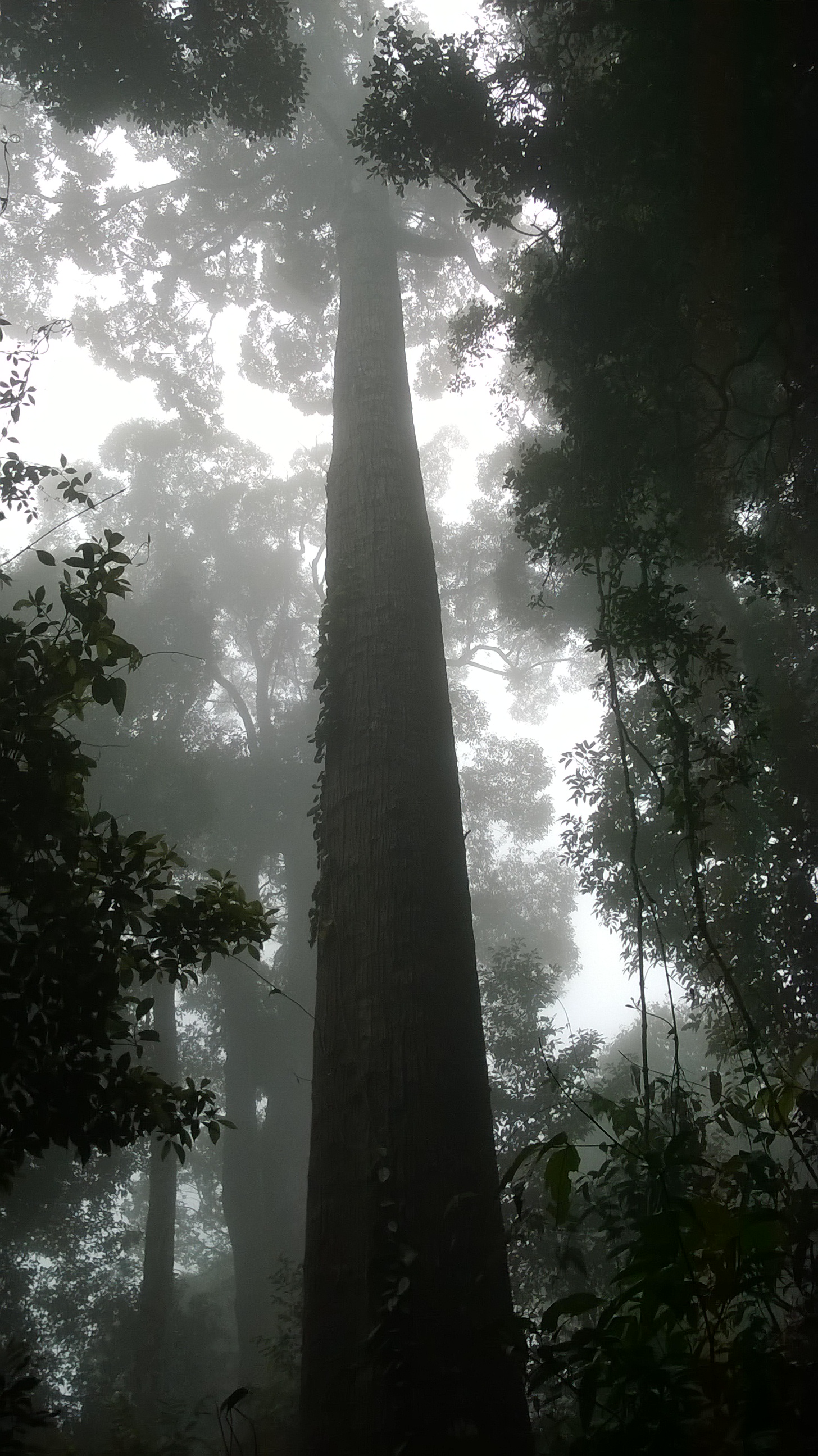
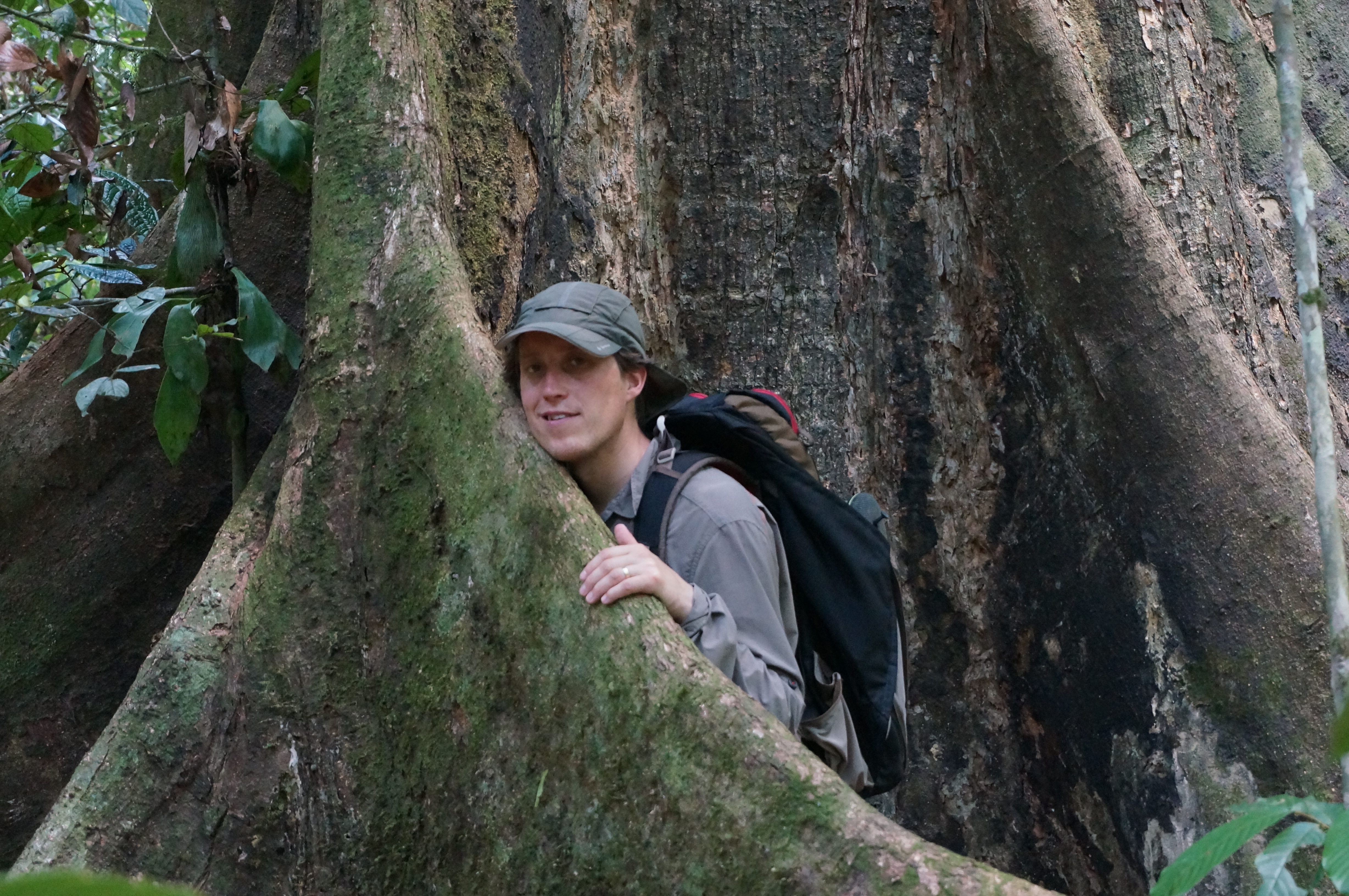
Located at the southernmost of MBCA, about 20 km to the north of the Maliau Basin Security Gate, the closest access to the pristine tropical rainforest within the MBCA, also the starting point for trails to both Nepenthes and Ginseng Camps. It lies at about 500 m above sea level and is surrounded by hill mixed dipterocarp forest, with an abundance of majestic Agathis trees. A one km self-guided nature trail at the Camp provides visitors with a fascinating introduction to the forest and its wildlife. The camp is still under maintenance.
NEPENTHES RESEARCH STATION
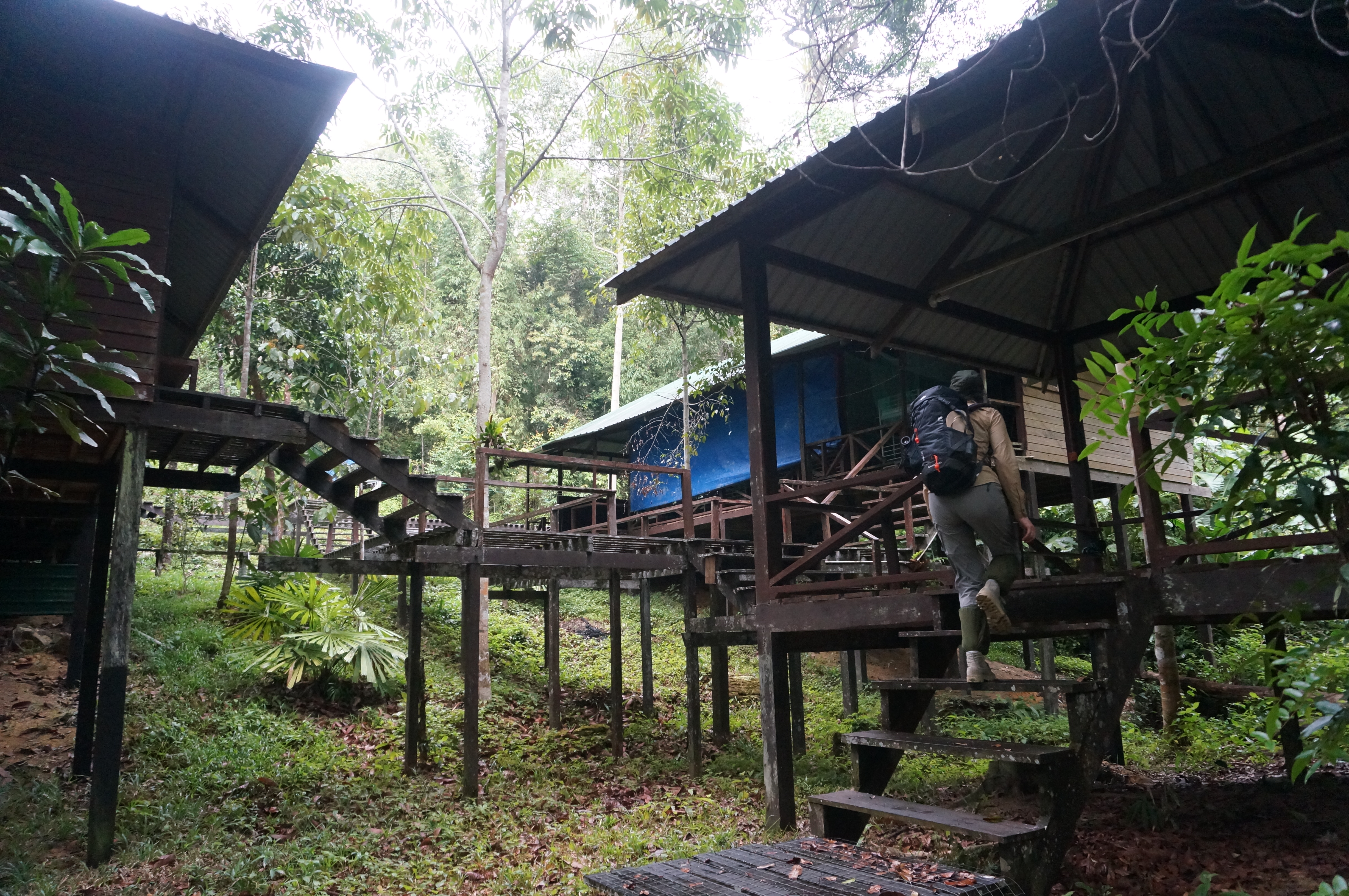
Nepenthes RS is a two-storey building complete with bunkbeds, showers and solar electricity, which can accommodate up to 15 visitors. Constructed by the Camel Trophy in 1993 participants, it was the first permanent Camp within the Basin and is located strategically at the meeting point of lower montane forest and the rare montane heath forest on Maliau’s southern plateau. Takob Akob and Giluk Falls located close to the camp.
It also has a 33 meter high observation platform built at the Agathis borneensis tree provides a rare opportunity to observe birds at closer range and allows breathtaking view of the surrounding forest canopy.
GINSENG RESEARCH STATION
Ginseng RS was constructed in 2005, located about 30 minutes trek to 27m high Ginseng Falls, The camp is about 5-6 hours walk from Agathis Camp, this substantial camp can accommodate up to 20 visitors, and has hammock-style beds and toilets cum showers.
RAFFLESIA RESEARCH STATION
Rafflesia RS is located near the Maliau River, upstream from Maliau Falls, and is surrounded by lowland dipterocarp forest. Those trekking to the north of MBCA and Strike Ridge would pass this way.
SERAYA RESEARCH STATION
Four to six hours walk from MBSC, Seraya Camp is located on what is expected to be the most important trail in MBCA in the future, and provides the nearest accommodation facilities to Maliau Falls. Following the pristine Maliau River for much of the way, trails around Seraya RS also pass a rare Rafflesia tengku-adlinii site.
Current accommodation facilities are very basic (tented camp), however efforts are being made to construct a more permanent structure funded by IKEA of Sweden.
LOBAH RESEARCH STATION
Lobah RS is located on the main visitor trail on top of a hill with a 230 degree panoramic view of the Basin rim, approximately 2 km from the well-known Maliau Falls, and serves as a much-needed stopping point for visitors before arriving at the Falls. It is considered by many as the highlight of their visit to Maliau, especially the morning sunrise. Luba or sago palms are abundant here. Current accommodation facilities are very basic (tented camp).
STRIKE RIDGE RESEARCH STATION
Strike Ridge RS is located deep inside the Basin in montane forest on a steep ridge in the northern part of MBCA. It is the location of one of three automatic weather stations in and around MBCA. This station is monitored twice a year. The sensitivity of montane and nearby heath forest to changes in climate make such an area an ideal site for long term monitoring of global climate change.
 lostborneo travel blog